Choosing a trading platform is one of the first decisions new investors make when entering the financial markets. With numerous mobile apps, brokerage websites, and online trading services available, it can be difficult to determine which platform is trustworthy and suitable for someone with limited experience.
A reliable trading platform should do more than allow users to buy and sell financial products. It should provide appropriate regulatory safeguards, transparent fees, strong security, understandable tools, and dependable customer support. Beginners should also understand that a trustworthy platform cannot guarantee profits or eliminate the risks of investing.
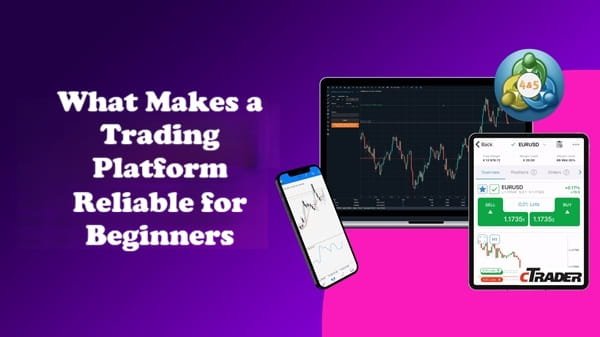
By evaluating a few essential features, new investors can make a more informed choice and avoid platforms that create unnecessary financial or security risks.
Regulatory Registration and Legal Compliance
The first thing beginners should check is whether the trading platform is operated by a legitimate, appropriately registered financial intermediary. Regulatory requirements vary by country and by the products offered, so users should verify the provider with the relevant authority.
In India, investors trading listed securities should check the broker’s registration with the Securities and Exchange Board of India (SEBI) and its membership with the relevant recognised stock exchange. SEBI’s official website provides regulatory information and investor resources at sebi.gov.in.
Do not rely solely on a platform’s logo, advertisements, or claims that it is regulated. Search the regulator’s records and confirm that the legal entity and contact details match those provided by the platform.
Be cautious of unregistered services that promise guaranteed returns, ask you to transfer money to a personal bank account, or pressure you to deposit more funds to unlock supposed profits. Registration is an important safeguard, although it does not guarantee that an investment will perform well or that every dispute will be resolved in your favour.
Transparent Brokerage Fees and Other Charges
A reliable platform clearly explains how it earns money and what users will pay. Beginners should examine the complete fee schedule before opening an account or placing their first order.
Depending on the market and product, costs may include brokerage, exchange transaction charges, statutory taxes, regulatory fees, account-maintenance charges, currency-conversion fees, and charges for specific services. Some platforms advertise zero brokerage for selected transactions while charging for other activities.
Compare the costs relevant to your intended trading style. Someone who buys investments occasionally may face a different cost structure from a trader who places many orders each day.
Read the terms carefully and check whether charges differ between delivery-based investing, intraday trading, and derivatives. A platform that explains costs in plain language makes it easier for beginners to estimate expenses and avoid unpleasant surprises.
Simple and Easy-to-Understand Interface
A beginner-friendly platform should make common tasks straightforward. Users should be able to find an investment, review its details, understand the order screen, and check their holdings without navigating a confusing interface.
Useful features include clear order confirmations, visible buy and sell prices, understandable charts, watchlists, transaction histories, and portfolio summaries. The platform should distinguish clearly between available cash, invested funds, pending orders, and money that cannot currently be withdrawn.
An attractive design is not enough. Buttons and order types should be labelled accurately, and the platform should explain important actions before an order is submitted.
Beginners should also look for accessible educational materials that explain basic terms such as market orders, limit orders, stop-loss orders, and settlement. A good platform helps users understand what they are doing rather than encouraging them to trade as frequently as possible.
Strong Security and Protection of Personal Information
Trading accounts contain sensitive identity and financial information, making security essential. A reliable provider should use appropriate technical and operational safeguards to protect accounts and transactions.
Look for secure login procedures, two-factor authentication where available, transaction alerts, device or session management, and a clear process for reporting suspicious activity. The platform should explain how users can recover access to their accounts and what steps to take if they suspect unauthorised transactions.
Users also have responsibilities. Create a unique password, secure your email account, keep your device updated, and never disclose passwords, PINs, or one-time passwords to someone claiming to be a broker’s representative.
Review the platform’s privacy policy to understand what information it collects and how that information may be used or shared. Avoid installing trading apps from unofficial sources or following login links received through suspicious messages.
Reliable Order Execution and Platform Stability
A trading platform should process orders accurately and display their status clearly. Users need to know whether an order has been placed, executed, partially filled, rejected, or cancelled.
Technical problems can be particularly stressful during volatile markets. Frequent outages, frozen prices, unexplained order errors, or delays in updating balances may interfere with a user’s ability to manage risk.
Before choosing a provider, check its service history, user support options, and published information about system availability. Reviews can help identify recurring complaints, but individual reviews may be inaccurate or unrepresentative. Look for consistent patterns rather than relying on a single rating.
Remember that even a reliable platform cannot guarantee a specific execution price. Prices can move between order placement and execution, especially in fast-moving or less liquid markets. Beginners should learn how different order types work and avoid assuming that an order is complete until its status is confirmed.
Customer Support and Complaint Resolution
Accessible customer support is another sign of a dependable trading service. Beginners may need help with account verification, failed transactions, withdrawal delays, order problems, or statements.
Check whether the platform provides official support channels, such as telephone assistance, email, in-app support, or a documented complaint process. Understand the expected response times and how unresolved complaints can be escalated.
In India, investors should first raise eligible complaints with their broker or the relevant market intermediary and follow the prescribed grievance process. SEBI also provides the SCORES complaint redressal system for eligible securities-market complaints.
Be wary of people who contact you unexpectedly, claim they can recover trading losses, and demand advance fees or remote access to your device. Genuine support should not require you to disclose your password or one-time password.
Educational Resources and Risk Management Tools
A reliable platform should help beginners understand financial products before they trade. Educational articles, tutorials, glossaries, webinars, and practice tools can make complex concepts easier to learn.
Some platforms offer watchlists, price alerts, portfolio analysis, and risk-management tools. These features can help users monitor investments, but they should not be mistaken for personalised financial advice or guarantees against losses.
Beginners should be especially careful with margin trading and futures and options. These products can involve leverage, complex contract terms, and losses that exceed what inexperienced users expect. Choose a platform that clearly explains these risks and displays relevant margin requirements before an order is placed.
Conclusion
A reliable trading platform combines legitimate regulatory status, transparent charges, strong security, dependable order handling, clear tools, and accessible customer support. Beginners should compare these features before opening an account and verify important claims through official sources.
Most importantly, a trustworthy platform is a tool, not a guarantee of investment success. Learn the basics, understand the risks, and avoid making financial decisions based solely on app recommendations, social media tips, or promises of quick profits.
Frequently Asked Questions
Q. How can beginners check whether a trading platform is reliable?
Verify the provider’s regulatory status, review its fee schedule, check its security features, assess customer support, and read the terms before opening an account.
Q. Is a trading platform with zero brokerage always the best choice?
No. Other charges may apply, and the platform’s security, execution quality, support, and available products also matter.
Q. Should beginners choose a platform with advanced trading tools?
Not necessarily. Start with clear, easy-to-understand features. Learn advanced tools gradually, especially those involving leverage or derivatives.
Q. How important is customer support when choosing a trading platform?
It is important because users may need help with failed orders, account access, withdrawals, or complaints. Choose a provider with clear and accessible support channels.
Q. Can a reliable trading platform guarantee profits?
No. Market prices can rise or fall, and every investment involves risk. A reliable platform can support trading activities, but it cannot guarantee returns.
Q. What should I do if a trading platform seems fraudulent?
Stop sending money, preserve transaction records and communications, contact your bank or payment provider promptly, and report the issue to the appropriate authorities. In India, you can also consult SEBI’s official investor resources for relevant complaint procedures.