Bellingham is a city that walks and rides. Students head to campus on foot, commuters pedal along waterfront trails, and families stroll downtown on weekend evenings. All of these people share the road with cars and trucks that weigh thousands of pounds more than they do, and when a driver makes a careless mistake, the person outside the vehicle almost always takes the worst of it.
Washington recognizes this imbalance with a special set of rules for people who travel without the protection of a vehicle. Understanding those rules is an important part of protecting vulnerable road users in Bellingham, whether you are trying to stay safe or trying to recover after a crash. This guide explains who counts as a vulnerable road user, the extra penalties drivers can face, where Bellingham’s riskiest spots are, and how a civil injury claim works.
Who Counts as a Vulnerable Road User
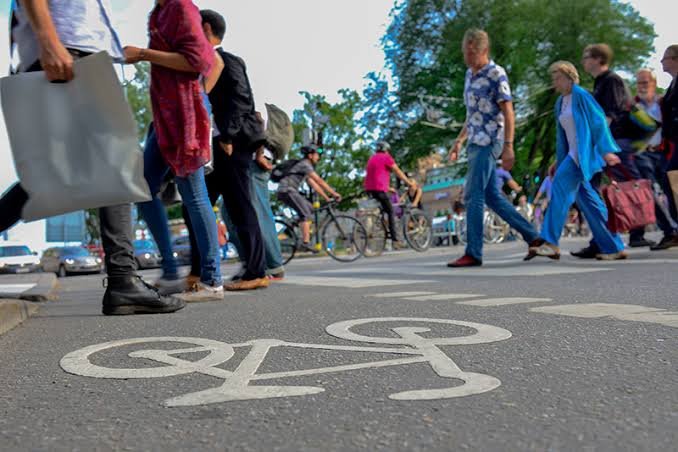
Washington law uses the phrase “vulnerable user of a public way” to describe people who travel without the steel frame, airbags, and seat belts of a car. Pedestrians are the most obvious group, including people using wheelchairs or other mobility devices. The definition also covers people riding bicycles, electric scooters, and similar devices, people on motorcycles and mopeds, and even someone riding a horse or operating an open farm tractor on a public road.
What these road users share is exposure. In a collision, their bodies absorb most of the force, which is why the injuries tend to be so serious. Common results include traumatic brain injuries, spinal cord damage, broken legs and pelvises, deep road rash, and injuries to internal organs. Even a crash at a speed that would barely dent a bumper can change a pedestrian’s life.
That exposure is also why Washington asks drivers to take extra care around these road users. When drivers turn, pass, back up, or pull out of a driveway, they are expected to watch for people who may be harder to see and who have far less room for error.
Washington’s Extra Penalties for Careless Drivers
Washington adds real consequences when a careless driver hurts someone outside a vehicle. Under RCW 46.61.526, a driver who acts negligently and causes substantial or great bodily harm to a vulnerable road user can be found to have committed negligent driving with a vulnerable user victim in the second degree. The standard penalty is a $5,000 fine that cannot be reduced below $1,000, plus a 90-day suspension of driving privileges.
The law offers one alternative. A driver who appears at a hearing may instead pay a smaller penalty and complete traffic school and up to 100 hours of community service focused on traffic safety. Since January 2025, Washington has also had a separate, more serious first-degree version of this offense for the most severe cases, which reflects the state’s growing focus on protecting people outside of cars.
Other traffic rules carry added fines when a vulnerable user is involved, including failing to yield at intersections, unsafe left turns, following too closely, and pulling out of a driveway without yielding. These penalties are separate from a civil injury claim. A ticket or conviction does not pay medical bills, but it can serve as strong evidence that the driver was at fault.
Where Bellingham’s Risks Are Highest
Bellingham’s own safety planning points to downtown as a trouble spot. The city’s 2024 Local Road Safety Plan found that downtown accounted for nearly 12 percent of crashes citywide from 2018 to 2022, with dangerous intersections clustered along Railroad Avenue and Cornwall Avenue at Magnolia, Holly, and Chestnut Streets. These are busy areas full of shoppers, diners, bus riders, and cyclists, and many crashes there involve drivers who fail to yield while turning.
The plan also found that half of fatal and serious injury crashes in Bellingham happen at signalized intersections, a rate well above the statewide average. That surprises many people, since a traffic light can feel like a safe place to cross. In reality, permissive left turns, right turns on red, and drivers rushing to beat a yellow light all put people in crosswalks at risk. Other trouble areas include Bakerview Road, Barkley Boulevard, and Lakeway Drive.
Local life adds to the mix. Western Washington University brings thousands of students who walk and bike daily, trails like the South Bay Trail and Interurban Trail cross city streets, and long, rainy winters mean many trips happen in the dark on wet pavement. In north Bellingham, gaps between marked crosswalks lead some people to cross mid-block on wide, fast roads.
Recovering Compensation Through a Civil Claim
A civil injury claim is separate from any ticket or criminal charge the driver may face. Its goal is to pay the injured person for medical bills, rehabilitation, lost wages, reduced earning ability, and the pain and disruption the injury causes. In the most serious cases, it may also cover long-term care or support a family after a death.
Washington’s fault rules work in favor of injured walkers and riders. The state uses a pure comparative fault system, so a person who was partly at fault, for example by crossing mid-block or riding without a light, can still recover damages, reduced by their share of fault. Insurers often look for these details to lower a payout, which is why photos, witness statements, and video from nearby businesses or buses are so valuable.
Insurance coverage and deadlines matter as well. Personal injury protection on your own auto policy, or a household member’s, may help with early medical bills even if you were on foot or on a bike. If the driver fled or had too little insurance, underinsured motorist coverage may help fill the gap. Most injury lawsuits in Washington must be filed within three years, and claims against a city or county over a dangerous road require a formal claim to be filed first.
Sharing Bellingham’s Streets More Safely
Keeping vulnerable road users safe is a shared job. Drivers can slow down downtown, look twice before turning at signals, and give cyclists plenty of room when passing. Walkers and riders can wear bright or reflective gear during dark, rainy months, use lights on bikes and scooters, and cross at marked crosswalks when possible. Small habits like these prevent many of the crashes that fill Bellingham’s safety reports.
When a crash does happen, the right steps can protect both your health and your rights. Get medical care quickly, report the crash, save photos and witness names, and be cautious with insurance adjusters. Washington’s vulnerable user laws, its forgiving fault rules, and its three-year filing window all give injured people a real path to recovery, as long as they act before the evidence fades.