Yes, forex trading is legal for individuals in India, but it is subject to strict rules. Indian residents cannot freely trade every currency pair through every international forex broker. Foreign-exchange transactions are governed primarily by the Foreign Exchange Management Act, 1999 (FEMA) and regulations issued by the Reserve Bank of India (RBI). Currency derivatives offered through recognised Indian exchanges are also regulated within the securities-market framework.
The important distinction is between permitted forex transactions through authorised channels and trading on unauthorised offshore platforms. For Indian residents, using an overseas forex website or app simply because it accepts Indian customers does not automatically make the activity legal.

What Forex Trading Is Legal in India?
Indian residents can participate in permitted currency transactions through authorised persons and recognised exchanges, subject to applicable rules.
The RBI states that residents can undertake forex transactions only with authorised persons and for permitted purposes. Permitted electronic transactions can be carried out through RBI-authorised Electronic Trading Platforms (ETPs) or recognised stock exchanges such as the National Stock Exchange (NSE), BSE and Metropolitan Stock Exchange of India (MSEI).
In practice, individuals can access the Indian currency-derivatives market through registered intermediaries. SEBI maintains a list of registered stock brokers in the currency-derivatives segment, demonstrating that currency derivatives are a regulated part of India’s financial markets.
Therefore, saying that “forex trading is completely illegal in India” would be incorrect. The legality depends on what instrument is being traded, where it is traded, through whom, and whether the transaction is permitted under Indian regulations.
Currency Derivatives on Indian Exchanges
One of the principal legal routes available to Indian individuals is trading eligible currency futures and options on recognised Indian exchanges through a registered broker.
Indian exchanges have dedicated currency-derivatives segments. SEBI’s exchange information lists currency derivatives among the permitted segments of both NSE and BSE, while MSEI also has a currency-derivatives segment.
These products allow investors and traders to take positions based on currency movements without necessarily conducting a conventional spot-forex transaction with an overseas broker.
However, exchange-traded currency derivatives are subject to contract specifications, margin requirements, position limits and other regulatory conditions. Traders should therefore understand the specific product before placing an order.
Which Currency Pairs Are Permitted?
Indian currency derivatives are not equivalent to having unrestricted access to every global forex pair.
The permitted contracts and applicable conditions are determined by Indian regulators and exchanges. Historically, exchange-traded contracts involving the Indian rupee have included pairs such as USD-INR, EUR-INR, GBP-INR and JPY-INR, subject to prevailing regulations and exchange specifications.
SEBI material also sets out position limits for domestic clients in permitted currency pairs. For example, the framework has specified limits for USD-INR and combined limits for EUR-INR, GBP-INR and JPY-INR positions.
Because regulations and contract specifications can change, traders should check the latest exchange and regulatory requirements rather than relying on old lists found on trading websites.
Are International Forex Brokers Legal for Indian Residents?
This is where many beginners become confused.
An overseas broker may advertise heavily in India and offer hundreds of currency pairs, high leverage and platforms such as MetaTrader. However, the fact that an offshore broker accepts Indian customers does not mean that the broker is authorised to provide forex trading services to Indian residents.
The RBI maintains an Alert List of entities that are neither authorised to deal in forex under FEMA nor authorised to operate electronic trading platforms for forex transactions. The RBI also specifically warns that an entity not appearing on the Alert List should not automatically be assumed to be authorised.
SEBI has similarly warned Indian investors about foreign trading portals offering derivatives and other financial products through overseas platforms. Such entities may not be supervised by an Indian regulator and may advertise high leverage and other incentives.
Consequently, an Indian resident should not assume that trading EUR/USD, GBP/USD or other international pairs through an offshore platform is permitted simply because the website is accessible from India.
Why FEMA Matters
The Foreign Exchange Management Act (FEMA) provides the legal framework for foreign-exchange transactions involving Indian residents.
The objective is not to prohibit all foreign-exchange activity. Instead, FEMA establishes rules governing how foreign exchange can be acquired, transferred and used.
The RBI has clearly stated that resident persons undertaking forex transactions for purposes not permitted under FEMA, or using unauthorised electronic trading platforms, may be liable for legal action under FEMA.
This makes regulatory verification especially important before sending money to an overseas trading platform.
Can Indians Use Leverage in Forex Trading?
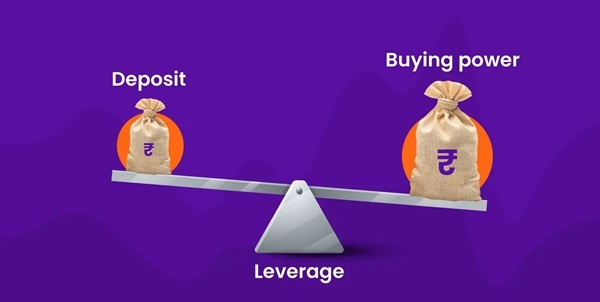
Leverage is commonly promoted by offshore forex brokers. It allows a trader to control a position larger than the amount deposited as margin.
While leverage can increase potential returns, it can also magnify losses rapidly. A highly leveraged position can lose a significant portion of its capital after relatively small market movements.
Indian traders should therefore distinguish between the leverage and products offered by regulated Indian intermediaries and the much higher leverage sometimes advertised by offshore platforms.
A promise of “100x” or “500x leverage” should not be treated as evidence that a platform is legitimate or legally available to an Indian resident.
What About Sending Money Abroad for Forex Trading?
Another important issue is the transfer of funds.
Indian residents should not assume that they can freely remit money overseas for speculative forex trading merely because the transfer is technically possible through a bank or payment service.
The RBI’s rules governing foreign-exchange transactions and permitted remittances need to be considered. Sending money to an unauthorised forex platform can create additional regulatory and recovery risks.
If a platform later blocks withdrawals, an Indian trader may also have limited practical protection compared with using a regulated domestic intermediary.
How Can an Indian Beginner Trade Currency Legally?
A cautious approach is to:
- Use a regulated Indian broker and verify its SEBI registration.
- Trade only permitted currency products and pairs.
- Check the relevant exchange’s current contract specifications.
- Avoid platforms appearing on the RBI Alert List.
- Do not assume that an offshore broker is authorised simply because it accepts Indian clients.
- Understand margin, leverage, spreads and potential losses before trading.
- Keep records of transactions and understand the applicable tax and reporting requirements.
SEBI’s public database provides information on registered intermediaries in the currency-derivatives segment, making regulatory verification possible before opening an account.
Conclusion
Forex trading is not completely illegal for individuals in India. Indians can legally participate in permitted currency transactions and exchange-traded currency derivatives through authorised and regulated channels.
The major restriction is that residents do not have unrestricted permission to use any global forex broker or trade every international currency pair. The RBI requires residents to use authorised persons and permitted platforms and warns against unauthorised electronic trading platforms.
For beginners, the safest approach is therefore to verify the broker, exchange and product before depositing money. Forex trading also involves substantial financial risk, particularly when leverage is involved.
In short, forex trading in India is legal when conducted through permitted channels and in accordance with FEMA, RBI and applicable SEBI/exchange rules—but trading through unauthorised offshore platforms can create serious regulatory and financial risks.