A domestic violence allegation can involve more than conflicting accounts of an argument. Text messages, phone records, photographs, video footage, and social media activity may all become part of the investigation. For anyone facing an accusation, understanding how this information is collected and interpreted is important. Speaking with a domestic violence lawyer in Sonoma County can help clarify the legal process and identify which evidence may matter to the defense.
Technology has changed the way people communicate, but it has also changed how criminal cases are investigated. A message sent during an argument, a call made shortly before police arrive, or a video recorded by someone nearby may later become part of a case file. In Sonoma County, these details can influence how investigators understand an incident and how prosecutors approach the charges.
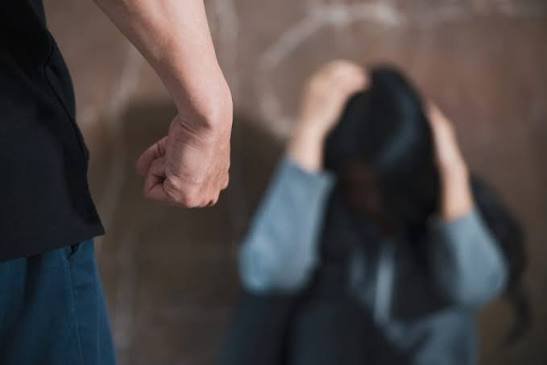
Digital Records Can Add Context to Disputed Events
Domestic disputes often happen in private, leaving investigators with different accounts of what occurred. Digital records may provide additional context, but they do not always tell the complete story.
For example, a text conversation might show what happened before an argument, while call logs could establish when two people communicated. Photos may document visible injuries or damage to property. However, a single screenshot or message rarely explains every detail surrounding an incident.
The timing and sequence of communications can be important. A message may appear threatening when viewed alone but have a different meaning when the preceding conversation is considered. Investigators and attorneys may need to examine the full exchange rather than rely on selected portions.
This is particularly relevant in Sonoma County cases, where law enforcement reports, witness statements, and electronic records may all contribute to the prosecution’s account of an incident.
Smartphones and Social Media Can Become Evidence
Smartphones contain a large amount of personal information. Depending on the circumstances and applicable legal rules, investigators may examine messages, photographs, videos, call histories, and other stored information.
Social media can also become relevant. Public posts, comments, direct messages, and uploaded images may help establish a timeline or provide information about interactions between people. A post made after an incident could be reviewed alongside other evidence, although its meaning should not be assumed without considering its context.
Location information may also arise in some investigations. Phone records, location-sharing applications, and other digital services can potentially help establish where a device was at a particular time. However, device location does not automatically establish who was carrying the phone or what that person was doing.
The source and reliability of digital information matter. An attorney may examine whether records are complete, whether the material has been altered, and whether it was obtained through legally permitted procedures.
Why Preserving Original Information Matters
When someone learns that a domestic violence investigation is underway, the temptation may be to delete upsetting messages or remove social media posts. That can create additional problems. Deleting information may make it harder to understand the complete conversation and could raise questions about missing evidence.
Preserving original records is generally more useful than relying on selected screenshots. A screenshot may not show the sender’s full identity, the date, the surrounding messages, or whether the conversation continued elsewhere. Original files and complete message histories can provide a clearer record.
Anyone involved in a case should avoid editing, altering, or selectively sharing digital material. They should also avoid accessing another person’s accounts or devices without authorization. If there is a pending investigation, an attorney can explain how to preserve relevant information and respond to requests for records.
This approach is important in Sonoma County, where digital material may be reviewed alongside police reports and statements collected by local law enforcement agencies.
Protective Orders Can Affect Digital Communication
A domestic violence arrest may lead to an emergency protective order. If criminal charges follow, the court may issue a criminal protective order during the case. Depending on its terms, the order can restrict direct communication, online contact, or contact through another person.
These restrictions should be taken seriously. Sending a text, making a social media comment directed at the protected person, or asking someone else to pass along a message may create legal complications if the conduct violates the order.
Even when the protected person initiates communication, the restrictions do not automatically disappear. The person subject to the order should read its terms carefully and seek legal advice before responding or attempting contact.
California Courts explains the purpose and scope of emergency and criminal protective orders in its Guide to Protective Orders. The guide describes restrictions that may include no contact, stay-away requirements, and limits involving firearms. The specific conditions depend on the order issued in the case.
For people appearing before the Sonoma County Superior Court in Santa Rosa, understanding these conditions is an important part of preparing for the next stage of the proceedings.
Building a Defense Requires More Than Reviewing Messages
Digital evidence is only one part of a domestic violence case. A defense may also involve examining police reports, witness accounts, photographs, medical records, and the circumstances surrounding an arrest.
For example, an attorney may compare the timeline in a police report with available messages or recordings. If different accounts conflict, the attorney can assess whether those inconsistencies affect the prosecution’s allegations. The defense may also examine whether a digital record has been presented accurately and whether important context is missing.
California law covers several offenses that may arise from domestic violence allegations. These include corporal injury to a spouse or cohabitant under Penal Code section 273.5, domestic battery under section 243(e)(1), and violations of protective orders under section 273.6. The charge and its potential consequences depend on the facts and applicable law.
The Sonoma County District Attorney’s Office, rather than the reporting person alone, makes decisions about whether to pursue criminal charges. A request to drop a case does not automatically end the prosecution. That is why reviewing the available evidence and understanding the legal elements of each charge are important.
Local Court Proceedings Can Affect the Next Steps
A domestic violence case in Sonoma County may involve several stages, including an initial court appearance, protective order conditions, evidence review, negotiations, and potentially a trial. Each stage can raise different questions about communication, living arrangements, family responsibilities, and the accused person’s legal rights.
The Sonoma County Superior Court is located at 600 Administration Drive in Santa Rosa. People facing charges should understand their hearing dates and comply with court instructions. Missing an appearance or disregarding an order can create further legal difficulties.
For residents in Santa Rosa, Petaluma, Rohnert Park, Windsor, and other parts of the county, local legal guidance can help explain the procedures that apply to their particular case. An attorney can review the allegations, assess available records, and explain possible next steps without assuming that every case will have the same outcome.
Frequently Asked Questions
Can text messages be used in a domestic violence case?
Yes. Text messages may be considered as evidence when relevant to the allegations. Their meaning depends on the surrounding conversation, authenticity, timing, and other facts. A message should not automatically be treated as proof of the entire incident.
Can a domestic violence case continue if the reporting person changes their story?
Yes. In California, the prosecutor decides whether to proceed with criminal charges. The prosecution may consider other available evidence, including police reports, photographs, recordings, and witness statements, even if the reporting person no longer wishes to participate.
Can I contact someone if they message me first?
Not necessarily. If a protective order prohibits contact, receiving a message does not automatically give permission to respond. Follow the order’s exact terms and consult an attorney before taking any action that could violate its restrictions.
What should I do with digital evidence after an arrest?
Avoid deleting, editing, or altering relevant messages, photographs, recordings, or account information. Preserve original records and discuss them with a defense attorney. Do not access another person’s private accounts or devices without authorization.
Taking the Right Steps After an Allegation
Digital evidence can clarify parts of a domestic violence investigation, but it can also be misunderstood when viewed without context. Preserving original records, following protective order conditions, and understanding the charges are practical steps that can help prevent further complications.
Anyone facing a domestic violence allegation in Sonoma County should seek advice based on the specific facts of the case. Early legal guidance can help identify relevant evidence, explain court requirements, and evaluate the available defense options.