A busy road is full of small decisions. One driver brakes a little too late, another changes lanes without checking properly, and someone else looks away to adjust the music. These actions may seem harmless on their own, but together they can create dangerous situations. Not every crash starts with speeding or reckless driving. Some begin with everyday habits that receive very little attention. Even car accident statistics from the past 15 years offer only part of the picture, because the smaller actions behind many collisions deserve a closer look too.
Let’s have a look at the most overlooked causes of car crashes on busy roads.
Drivers Following Too Closely in Slow Traffic
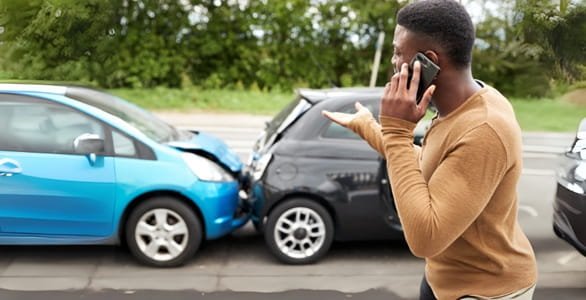
Heavy traffic often moves in short bursts. Cars roll forward, slow down, and stop again, leaving drivers with little room to react. Some motorists follow the vehicle ahead too closely because they want to keep their place in the line. However, even a small gap may not provide enough time to brake safely if the front vehicle stops without warning.
This habit can lead to rear-end collisions, especially near traffic lights, busy crossings, and highway entrances. A chain reaction may also begin if one vehicle hits another and pushes it into the car ahead. Keeping a safe distance matters even at low speeds.
Blind Spots During Lane Changes
A glance at the side mirror does not show everything around a vehicle. Cars, trucks, and SUVs all have blind spots, and smaller vehicles such as motorcycles can be difficult to see in them. Drivers who change lanes without checking these areas may move directly into another vehicle’s path.
Busy roads make this risk worse because vehicles often travel close together. Drivers may also change lanes suddenly to reach an exit or avoid slow traffic. A proper mirror check, a look over the shoulder, and a clear signal can help prevent these dangerous moves. A lane change should never be treated as a simple turn of the steering wheel.
Sudden Stops and Poor Traffic Awareness
Sudden braking is another overlooked cause of crashes on busy roads. A driver may notice a turn too late, stop to look for parking, or react only after traffic ahead has already slowed. The vehicle behind may have very little space to respond, especially if its driver is following too closely.
Poor traffic awareness can make the situation worse. Some drivers focus only on the vehicle directly ahead instead of watching the wider flow of traffic. This leaves less time to notice brake lights, changing signals, or vehicles joining the road. Paying attention to traffic several cars ahead can help drivers slow down in a more controlled way.
Roadside Activity and Blocked Visibility
Busy streets are not filled with moving vehicles alone. Delivery trucks may stop near stores, buses may block part of a lane, and parked cars can hide people or vehicles waiting to enter the road. Roadside work can create similar problems by narrowing lanes or changing the usual flow of traffic.
Blocked views are especially risky near intersections and driveways. A pedestrian may step out from behind a parked vehicle, or a car may pull into traffic without being seen early enough. Drivers should reduce speed near these areas and avoid assuming the road ahead is clear simply because they cannot see an immediate danger.
Distractions That Do Not Involve Phones
Phone use gets much attention, but it is not the only source of distraction inside a car. Adjusting the radio, entering an address into a navigation system, reaching for an item, or turning to speak with a passenger can take attention away from the road. These actions may feel ordinary, yet they can cause a driver to miss an important change in traffic.
Distraction can affect a driver’s eyes, hands, or mind. A person may still be looking ahead but fail to notice that the traffic signal has changed. Even a short break in attention can matter on a busy road, where vehicles, cyclists, and pedestrians may be moving in different directions.
Poor Road Markings and Confusing Traffic Patterns
Drivers depend on clear signs and road markings to know where they should go. Faded lane lines, missing signs, unclear arrows, and sudden lane changes near construction areas can create confusion. A driver may enter the wrong lane, make a late turn, or move across traffic while trying to correct a mistake.
These conditions can affect several road users at once. One confused driver may brake suddenly, while another may swerve to avoid the vehicle. Road design and maintenance can therefore play a part in some collisions. Car accident statistics from the past 15 years can help show wider crash patterns, but each road and collision still needs to be considered on its own.
Small Details Can Create Serious Road Risks
Busy roads demand more than basic driving skills. Short following distances, blind spots, sudden stops, blocked views, everyday distractions, and unclear road markings can all raise the risk of a crash. These problems may not look as serious as speeding or impaired driving, but they deserve attention. Reviewing car accident statistics from the past 15 years alongside real road conditions gives a wider view of traffic safety. Careful driving often comes down to noticing the details others miss.