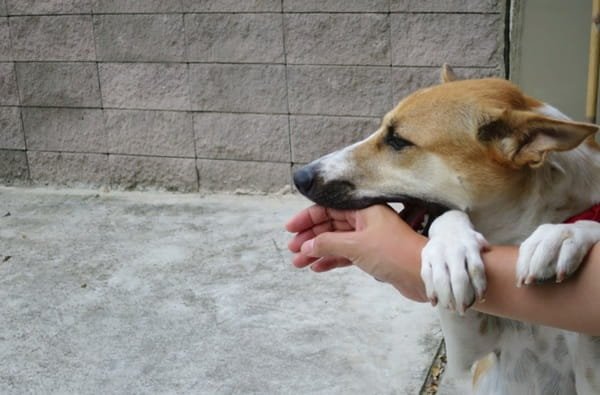
A dog owner has a basic responsibility to keep others safe from foreseeable harm. That responsibility can become especially important if a dog has shown aggressive behavior, escaped from a yard, or been allowed to move around without proper control. A failure to take reasonable precautions may become an important part of a legal case. For people dealing with dog bite injuries, the facts surrounding the incident can matter just as much as the injury itself. Medical treatment may address the physical harm, but questions about how the attack happened can affect who may be legally responsible.
Negligence does not automatically make an owner liable in every case. The circumstances, available evidence, and laws that apply can all make a difference. Looking closely at these details can help an injured person understand the strength and limits of a potential claim.
What Negligence Means in a Dog Bite Case
Negligence generally means failing to use reasonable care in a situation where harm could have been prevented. In a dog bite case, this may involve an owner failing to take sensible steps to control a dog or protect other people from a known risk.
Possible examples include:
- Allowing a dog to roam freely
- Failing to use a leash where one is required
- Leaving a gate or enclosure unsecured
- Ignoring previous signs of aggressive behavior
- Failing to follow local animal control requirements
The important issue is not simply that a person was bitten. The case may also depend on whether the owner’s conduct was unreasonable and whether that conduct contributed to the injury.
How an Owner’s Actions May Affect Liability
An owner’s behavior before the attack can provide important information about responsibility. For example, a person may have known that a dog had previously acted aggressively but failed to take reasonable precautions. A loose dog may also create a foreseeable risk if the owner knew it could leave the property.
Other details can matter too. A warning sign, locked gate, leash, or secure enclosure may show that the owner took steps to reduce the risk. On the other hand, evidence that these precautions were missing could support an argument that the owner failed to act reasonably.
The exact legal standard depends on the state and the circumstances of the case. Some laws may impose responsibility on dog owners without requiring traditional proof of negligence, while other situations may require a closer examination of the owner’s conduct.
Evidence Can Help Explain What Happened
A strong case often depends on clear information about the incident. Memories can change, and physical conditions at the location may also change after an attack. Keeping useful evidence can help establish what happened and whether negligence played a role.
Helpful evidence may include:
- Medical records and treatment information
- Photographs of injuries and the surrounding area
- Statements from people who witnessed the attack
- Security camera or phone video
- Animal control or police reports
- Information about the dog’s previous behavior
- Records showing violations of leash or containment rules
For example, if witnesses saw a dog running loose before the bite, their statements may help explain how the animal came into contact with the injured person. Records about earlier incidents may also become relevant if they are legally available.
The Injured Person’s Conduct May Also Matter
Negligence cases can involve more than the owner’s actions. Depending on the law that applies, the injured person’s conduct may also be considered. This does not mean that a person automatically loses the right to seek compensation because of something they did before the attack.
Issues may arise if someone entered private property without permission, intentionally disturbed the dog, or ignored a clear warning. The importance of these facts varies by jurisdiction.
Some states follow comparative negligence rules, which can reduce compensation based on a person’s share of responsibility. Other states use different approaches. Because these rules can significantly affect a case, it is important to consider the specific facts rather than assume that one general rule applies everywhere.
How Negligence May Influence Compensation
A negligence finding can affect whether an injured person may recover compensation and, in some cases, how much may be available. The losses connected to a bite can extend beyond the initial medical visit.
Depending on the circumstances and applicable law, compensation may involve:
- Medical expenses and future treatment
- Lost wages or reduced earning ability
- Pain and suffering
- Scarring or disfigurement
- Other losses related to the injury
The severity of the wound, length of treatment, lasting effects, and circumstances of the attack may all be relevant. A claim involving dog bite injuries should therefore be evaluated based on the person’s actual losses and the evidence supporting them.
Practical Steps After a Dog Attack
Taking sensible steps after an attack can help protect both health and legal interests. Medical care should come first, especially if the wound is serious or there is a risk of infection.
After receiving appropriate care, a person may also want to:
- Report the incident to the appropriate authority if required.
- Identify the dog and its owner if it is safe to do so.
- Collect contact information from witnesses.
- Keep records of medical visits, expenses, and related losses.
- Preserve photographs, videos, messages, and other relevant information.
- Avoid making inaccurate statements about how the incident occurred.
Speaking with a qualified personal injury attorney can also help an injured person understand whether negligence, strict liability, or another legal rule may apply.
Understanding the Responsibility Behind the Injury
A dog bite case is rarely decided by the injury alone. The owner’s conduct, the dog’s history, the injured person’s actions, and the available evidence can all shape the legal picture. Even seemingly small details may help explain whether reasonable care was taken.
If you have been injured by a dog, getting legal guidance can help you understand your rights and the options available under the law. A qualified attorney can review the circumstances, explain the applicable rules, and help you decide what steps may make sense for your situation.