SIDCO Industrial Estates are among the most important pillars of small-scale industrial development in South India, spread across Tamil Nadu and Kerala and managed respectively by TANSIDCO (Tamil Nadu Small Industries Development Corporation) and Kerala SIDCO. Established decades ago to provide developed plots and built-up sheds to Micro, Small, and Medium Enterprises (MSMEs), these estates have grown into the backbone of grassroots manufacturing in both states, hosting thousands of units engaged in engineering, electronics, garments, automobile components, food processing, and a growing spread of IT and service-oriented industries.
In recent years, SIDCO estates have gained renewed strategic importance as India pushes its MSME agenda under the Make in India and Aatmanirbhar Bharat missions. With common facility centres, cluster development programmes, raw material support, and marketing assistance all being extended under the SIDCO umbrella, these estates are rapidly emerging as key engines of regional industrial growth, employment generation, and export-led manufacturing across South India.
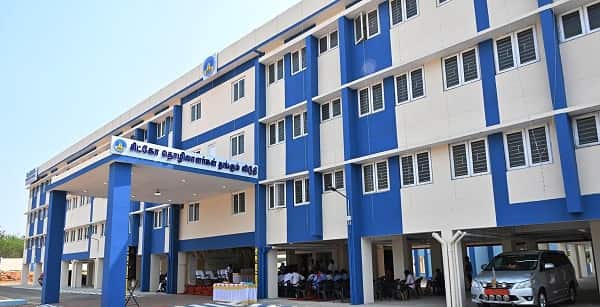
SIDCO Industrial Estates Quick Reference
| Detail | Information |
| Managing bodies | TANSIDCO (Tamil Nadu) & Kerala SIDCO |
| Year established | TANSIDCO: 1970 • Kerala SIDCO: 1975 |
| Area type | Industrial estates, mini industrial estates, industrial parks |
| Major estates | Ambattur, Guindy, Thirumudivakkam (TN); Pappanamcode, Palayad, Olavakkode (Kerala) |
| Total estates | TANSIDCO: 122+ estates • Kerala SIDCO: 17 major + 36 mini + 7 parks |
| Nearest transport | Varies by location; most estates lie along NH corridors |
| Key industries | Engineering, auto components, garments, electronics, food processing, IT |
| Plot sizes | 5 cents to 1 acre (TN); shed modules and plots (Kerala) |
Getting There: Roads, Rails and Runways
SIDCO estates are typically located along major highways, rail corridors, and within easy reach of ports and airports. Ambattur sits near Chennai’s NH corridors and is served by the Chennai Suburban Railway and Green Line metro. Guindy enjoys metro connectivity on the Blue Line. Thirumudivakkam, near Chennai’s southwest, connects to Chennai Port via the Outer Ring Road. In Kerala, Pappanamcode benefits from NH 66 and the Thiruvananthapuram Central Railway Station, with the airport just 8 km away. Olavakkode in Palakkad connects to both Coimbatore and Kochi airports.
What makes SIDCO estates attractive is that connectivity was factored in at the planning stage. Motorable roads, storm water drains, culverts, water supply, sewage lines, street lighting, and green belts are standard infrastructure across most estates. In Tamil Nadu, SIDCO has also set up power supply sub-stations with dedicated industrial feeders in several estates.
Who Works Out of SIDCO
Walk through a SIDCO estate on a weekday morning and the range is striking. Auto component workshops supplying Tier-1 vendors. Garment units employing hundreds of women. Electronics assemblers producing components for national brands. Food processing units packaging ready-to-eat meals for export. Engineering workshops turning out industrial parts. Printing presses, pharma packaging, plastic moulders, furniture makers, and increasingly IT and software firms taking up built-up sheds converted into office spaces.
SIDCO also offers Common Facility Centres under the Cluster Development Programme, Raw Material Assistance schemes, Marketing Assistance (particularly for government tenders), and technical and managerial guidance — all aimed at reducing the struggle that small manufacturers typically face.
What SIDCO Offers Beyond Land
The estates go well beyond bricks and mortar. Plot sizes in Tamil Nadu range from 5 cents for Micro Enterprises to 1 acre for Small and Medium Enterprises. Kerala SIDCO offers similar flexibility with both plots and ready sheds. Government incentives such as tax exemptions, subsidies, and single-window clearances make setup significantly easier than on private land. Kerala SIDCO is also the nodal agency for Industrial Parks, aiming to establish at least one in each assembly constituency — a move that has already generated direct employment for nearly 1,000 people across 7 completed parks hosting 218 units.
Banks, ATMs, canteens, conference halls, and parking are increasingly being built into newer estates. Skill development programmes, business incubation centres, and entrepreneur mentoring are now a regular feature, especially in Kerala.
Why Businesses Keep Picking SIDCO
The pull is fairly direct. Land and shed rates are significantly gentler than private industrial zones. Infrastructure is already developed, saving months of approvals and construction. Government-backed incentives and MSME subsidies reduce the upfront burden. Proximity to ports, airports, and highways keeps logistics costs manageable. The collective ecosystem — hundreds of small units in one zone — means suppliers, vendors, job-workers, and buyers are often just a few lanes away. And the institutional backing of SIDCO itself provides a safety net that individual entrepreneurs rarely get on their own.
The Flip Side
It would be dishonest to pretend everything runs smoothly. Many of the older SIDCO estates suffer from ageing infrastructure — roads, drainage, and sewage systems that were built decades ago and haven’t kept pace with the load. Monsoon waterlogging is a recurring issue, particularly in Kerala. Allotment processes can be slow, with waiting lists in high-demand estates like Ambattur and Guindy running long. Some units lie idle or fall into default, and the re-allotment process takes time. Environmental compliance is tightening, which, while good for sustainability, puts pressure on older units. And the sheer range of tenants means quality and discipline can vary from estate to estate.
Still, for the MSME sector, SIDCO estates remain one of the most accessible and institutionally supported industrial platforms in the country.
Conclusion
SIDCO Industrial Estates have spent over five decades quietly building the foundation of South India’s small-scale industrial story. What began as government-planned zones for first-generation entrepreneurs has grown into a genuinely essential ecosystem — one where auto components, garments, food processing units, and now IT firms all share the same institutional umbrella. As Tamil Nadu and Kerala continue pushing their MSME agendas and infrastructure catches up with demand, SIDCO’s old advantages of affordability, institutional support, and strategic location only become more valuable. For South India’s industrial story, these estates remain a cornerstone that continues to evolve without losing its roots.
FAQs
Q1. What is SIDCO and who manages these estates?
A: SIDCO refers to Small Industries Development Corporations. In Tamil Nadu it’s TANSIDCO, established in 1970; in Kerala it’s Kerala SIDCO, established in 1975. Both are state-owned corporations promoting MSMEs.
Q2. How many SIDCO industrial estates are there?
A: TANSIDCO manages over 122 estates (41 Government + 87 TANSIDCO). Kerala SIDCO runs 17 major estates, 36 mini estates, and 7 industrial parks across the state.
Q3. What kind of businesses operate in SIDCO estates?
A: A broad mix of engineering units, auto components, garments, electronics, food processing, pharma, printing, IT services, and export-oriented MSMEs.
Q4. What plot sizes are typically offered?
A: In Tamil Nadu, plots range from 5 cents for Micro Enterprises to 1 acre for Small and Medium Enterprises. Kerala SIDCO offers both plots and ready-built industrial sheds.
Q5. Is it a good option for a new MSME?
A: Yes, particularly for first-time entrepreneurs. SIDCO provides ready infrastructure, government incentives, raw material and marketing support, and a collective MSME ecosystem.
Q6. What support does SIDCO provide beyond land?
A: Raw material assistance, marketing support (especially for government tenders), Common Facility Centres, skill development programmes, business incubation, civil construction services, and technical guidance.
Q7. How are plots and sheds allotted?
A: Through application to the respective SIDCO, either on rental or Outright Sale (ORS) basis. Full sale deeds are issued once ORS payments are completed.
Q8. Are SIDCO estates well-connected for logistics?
A: Most estates are strategically located along National Highways and near ports, airports, or railway stations, making them logistically sound for both domestic and export-oriented businesses.