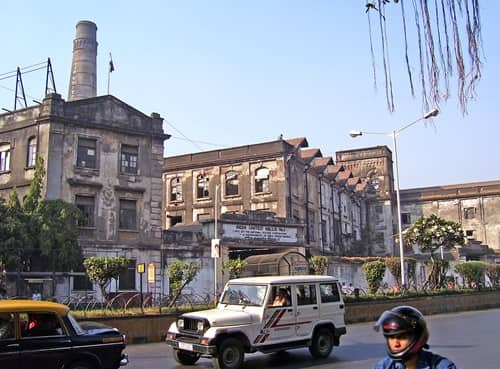
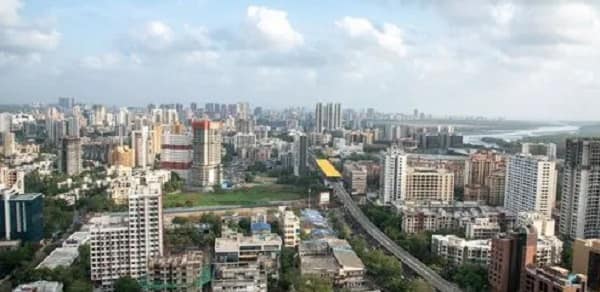
Verna Industrial Estate, located in the Salcete taluka of South Goa, is the largest and most prominent industrial cluster in the state of Goa. Developed and managed by the Goa Industrial Development Corporation (Goa IDC), the estate has grown into a major center for pharmaceuticals, electronics, engineering, food and beverages, and automotive component manufacturing in coastal western India.
In recent years, Verna has gained strategic importance due to its position near the Mopa International Airport (Manohar International Airport), the Mormugao Port, and the Konkan Railway corridor. The ongoing six-laning of NH-66, combined with Goa’s push to emerge as a serious manufacturing destination beyond tourism, has significantly boosted industrial demand, logistics activity, and real estate investment in the region. As a result, Verna Industrial Estate is rapidly reinforcing its position as Goa’s flagship manufacturing and export gateway.
Verna Industrial Estate Quick Overview
| Category | Details |
| Location | Verna, Salcete Taluka, South Goa |
| State | Goa |
| Industrial Estate | Verna Industrial Estate (Goa IDC) |
| PIN Code | 403722 |
| Developed By | Goa Industrial Development Corporation (Goa IDC) |
| Major Industries | Pharmaceuticals, Electronics, Engineering, Food & Beverages, Automotive |
| Total Area | Approx. 69 lakh sq mtrs |
| Nearby Airport | Dabolim Airport (approx. 7 km) & Manohar Int’l Airport, Mopa |
| Major Expressways | NH-66 (Mumbai-Kanyakumari Highway) |
| Nearby Landmark | Verna Junction, Nuvem, Cortalim |
Industrial Landscape and Key Sectors
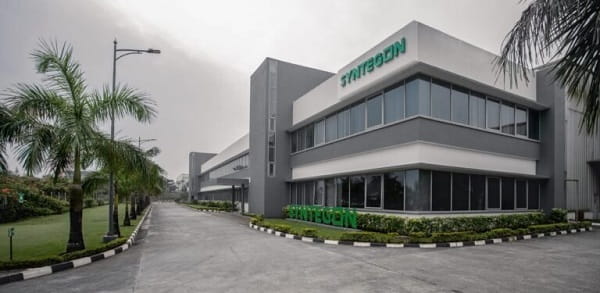
Verna Industrial Estate is home to a diverse mix of industries ranging from pharmaceuticals and electronics to engineering, food processing, and automotive components. The industrial ecosystem supports both domestic and export-oriented manufacturing companies, with over 20,000 employees working across various units spread throughout the estate.
Pharmaceutical manufacturing is one of the most prominent sectors in Verna. Major companies like Cipla, Glenmark, Watson Pharma, and several others have established significant production facilities in the estate, making Goa a notable contributor to India’s pharma export basket.
Electronics manufacturing forms another major pillar, with companies such as D-Link and several component manufacturers operating in the estate. Automotive components, engineering goods, and precision machining units supply both domestic OEMs and international clients.
Food and beverages is another active segment, with bottling plants, confectionery units, and packaged food companies operating from Verna. Chemicals, plastics, printing, packaging, and specialty manufacturing firms round out the industrial mix.
Infrastructure and Industrial Facilities
Verna Industrial Estate spans a total area of approximately 69 lakh square metres, making it the largest industrial estate in Goa. The estate is organised across multiple phases including Verna Phase I, Phase II, Phase III, IV, and the newer Verna/1000 expansion, with factory plots, warehouses, and ready-built sheds of varying sizes available for businesses.
Industrial infrastructure includes well-laid internal roads designed for heavy vehicle movement, reliable power supply through dedicated sub-stations, piped water supply from the Selaulim reservoir (a 30 MLD tank system installed after years of advocacy by the Verna Industries Association), sewage and effluent treatment facilities, and storm water drainage.
Recent upgrades have focused on clean and green initiatives, with Goa IDC and VIA jointly running the Mission Clean & Green Verna Industrial Estate programme. A dedicated KTC bus service from 2019, a fully equipped 130-bed COVID Care Centre set up during the pandemic, and continuous infrastructure monitoring through VIA’s completion-certificate mechanism make Verna one of the best-governed industrial estates in the country.
Connectivity and Transportation
Connectivity is one of Verna Industrial Estate’s strongest advantages. The estate lies directly on NH-66 (the Mumbai-Kanyakumari Highway), giving it direct road access to Panaji, Margao, Vasco, and onward to Mumbai and Mangaluru. The ongoing six-laning of NH-66 has further enhanced freight movement.
Dabolim Airport is just 7 km away, making international and domestic cargo and business travel remarkably convenient. The new Manohar International Airport at Mopa in North Goa, about 55 km away, adds another major cargo and passenger corridor.
For rail, Verna Railway Station on the Konkan Railway network is right next to the estate, with regular services to Mumbai, Mangaluru, and Thiruvananthapuram. The Mormugao Port, one of India’s major ports, is roughly 15 km away, giving Verna direct access to international shipping routes — a crucial advantage for pharma and electronics exporters.
Real Estate and Investment Trends
Industrial property demand in Verna has remained consistently strong, driven by Goa’s reputation as a clean, green, and well-governed state for manufacturing. Pharma, electronics, and food processing firms are the most active buyers and lessees of industrial plots and sheds.
Industrial land rates have appreciated steadily, particularly for plots with wide road frontage and proximity to utility hubs. The Verna/1000 expansion zone has attracted fresh investment from both domestic and multinational companies looking to set up or expand operations in Goa.
Rental demand for built-up sheds and warehouses has also increased, especially from logistics operators servicing pharma cold chains, electronics distribution, and FMCG supply routes across western and southern India.
Workforce and Economic Role
Verna Industrial Estate provides direct employment to over 20,000 workers across its diverse manufacturing units, and supports thousands more in ancillary services. The workforce includes factory operators, engineers, chemists, quality control specialists, machine technicians, logistics personnel, and administrative staff — many of whom live in nearby villages including Verna, Cortalim, Nuvem, Seraulim, and Margao.
The industrial cluster also sustains a vast support economy — transport operators, canteens, catering services, equipment suppliers, repair workshops, and packaging vendors. The Verna Industries Association (VIA), established in 1996, plays an active and unusually effective role in workforce welfare, CSR activities with local schools, and continuous engagement with state agencies.
Because of its scale and contribution to Goa’s non-tourism economy, Verna is widely regarded as Goa’s most important industrial hub, and a key contributor to the state’s GSDP.
Regulatory Oversight and Industrial Governance
Industrial operations in Verna are regulated by Goa IDC and monitored by multiple state and central agencies including the Goa State Pollution Control Board (GSPCB), the Directorate of Factories and Boilers, the Labour Department, ESIC, PWD, and the Fire Department.
Industries operating in the estate must comply with strict norms on emissions, effluent treatment, solid waste management, and workplace safety — standards that have been progressively tightened given Goa’s ecological sensitivity.
The Verna Industries Association, winner of the HDFC-Business Goa Corporate Excellence Award 2021 as Business Organisation of the Year, works closely with every regulatory body to ensure compliance while also pushing back constructively on unfair rates or delayed infrastructure. VIA’s motto — being the change through positive and proactive engagement rather than confrontation — has made it one of India’s most respected industry associations.
Future Growth Potential
Verna Industrial Estate is expected to see strong, steady growth in the coming years, driven by the continuing expansion of Verna/1000, the six-laning of NH-66, the dual-airport connectivity via Dabolim and Mopa, and Goa’s formal positioning as a serious manufacturing and life-sciences destination.
Pharmaceutical exports are expected to expand further, with several existing companies announcing capacity additions. Electronics manufacturing is likely to grow under the PLI scheme and Make in India push. Logistics parks, cold chain facilities, and warehousing are set to expand as e-commerce and pharma supply chains deepen their Goa footprint.
The region’s industrial ecosystem will continue to attract pharma, electronics, food processing, and specialty engineering firms looking for a well-connected, clean, and institutionally well-supported industrial location in coastal India.
Conclusion
Verna Industrial Estate in South Goa has firmly established itself as one of the most important industrial zones in coastal India. Its strong pharmaceutical and electronics base, excellent airport, port, and rail connectivity, and its reputation for institutional governance make it a vital economic hub for Goa and the wider western region.
With continued infrastructure upgrades, the expansion of Verna/1000, and active industry-association support through VIA, Verna is set to remain the flagship driver of industrial growth in Goa and a model for well-governed industrial estates across India.
FAQs
Q1. What is the PIN code of Verna Industrial Estate?
A: The estate primarily falls under PIN code 403722, in Salcete taluka of South Goa.
Q2. Who developed Verna Industrial Estate?
A: It was developed and is managed by the Goa Industrial Development Corporation (Goa IDC), established in 1965.
Q3. How far is Verna Industrial Estate from Dabolim Airport?
A: Dabolim Airport is approximately 7 km away, making it one of India’s most airport-adjacent industrial estates.
Q4. What kind of industries operate in Verna Industrial Estate?
A: A strong mix of pharmaceutical manufacturing, electronics, engineering, automotive components, food and beverages, chemicals, plastics, packaging, and specialty manufacturing firms.
Q5. What is the nearest railway station?
A: Verna Railway Station on the Konkan Railway network is located right next to the estate, with regular services to Mumbai, Mangaluru, and Thiruvananthapuram.
Q6. Which port serves Verna Industrial Estate?
A: Mormugao Port, one of India’s major ports, is about 15 km away and is a key export route for pharma and electronics manufacturers based in Verna.
Q7. What is the total area of Verna Industrial Estate?
A: The estate spans approximately 69 lakh square metres, making it the largest industrial estate in Goa.
Q8. Who represents the industries in Verna Industrial Estate?
A: The Verna Industries Association (VIA), established in 1996, is the official industry body representing units at Verna. It works closely with Goa IDC, GSPCB, and other agencies on infrastructure, compliance, and welfare matters.