You buy a car, and suddenly insurance becomes unavoidable. The dealer talks about “third party insurance,” while friends tell you to take “comprehensive insurance.” Both sound important. Both involve yearly premiums. But one costs much more than the other.
That naturally raises the question — if third party insurance is legally enough, why do so many people still buy comprehensive insurance?
The answer becomes clear only after an accident.
A scratched bumper, flood damage, theft, or a major collision can quickly turn into a massive repair bill. This is where the difference between comprehensive and third party insurance really matters.
In simple terms, third party insurance mainly protects other people from damage caused by your car. Comprehensive insurance protects both other people and your own car.
One satisfies the law.
The other protects your finances more completely.
Understanding the difference before buying a policy can save you from serious regret later.
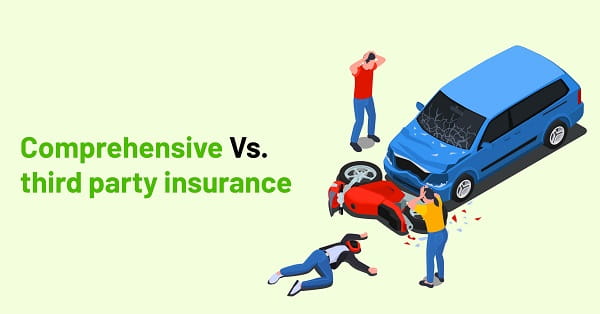
What Is Third Party Car Insurance?
Third party car insurance is the most basic type of motor insurance required by law in India.
It covers losses suffered by another person because of your car.
If your vehicle causes:
- Injury to another person
- Death of another person
- Damage to another vehicle
- Damage to public or private property
then the insurance company pays compensation on your behalf.
However, third party insurance does not cover damage to your own car.
So if your car gets damaged in the accident, you must pay for repairs yourself.
That is why third party insurance is cheaper. It provides limited coverage mainly focused on legal liability.
Under Indian law, every vehicle running on public roads must have at least valid third party insurance.
Driving without it can lead to fines and legal action.
What Is Comprehensive Car Insurance?
Comprehensive car insurance offers much wider protection.
It includes:
- Third party liability cover
- Own damage cover for your car
This means the insurer also pays for damage to your own vehicle under certain conditions.
A comprehensive policy generally covers:
- Accidents and collisions
- Theft
- Fire
- Floods and cyclones
- Riots and vandalism
- Natural disasters
- Damage while in transit
- Personal accident cover
Unlike basic third party insurance, comprehensive insurance helps protect your own savings from unexpected repair costs.
That broader protection is why the premium is higher.
Key Differences at a Glance
| Feature | Comprehensive Insurance | Third Party Insurance |
| Legal Requirement | Optional | Mandatory |
| Covers Third Party Damage | Yes | Yes |
| Covers Own Car Damage | Yes | No |
| Theft Protection | Yes | No |
| Natural Disaster Cover | Yes | No |
| Fire Damage Cover | Yes | No |
| Premium Cost | Higher | Lower |
| Financial Protection | Wider | Limited |
| Best For | New and valuable cars | Old or low-value cars |
Why Third Party Insurance Is Mandatory
Road accidents can seriously affect innocent people.
Without compulsory insurance, accident victims might receive no compensation if the driver cannot afford to pay.
Third party insurance ensures that victims receive financial support for injuries, property damage, or death caused by another vehicle.
That is why governments make it legally compulsory.
Why Comprehensive Insurance Is Popular
Although comprehensive insurance costs more, many car owners still prefer it because modern car repairs are expensive.
Even a small accident today can cost thousands or lakhs in repairs because of:
- Expensive spare parts
- Sensors and electronics
- Advanced headlights
- Paint costs
- Labour charges
Comprehensive insurance reduces this financial burden.
For example:
- Your parked car gets flooded during heavy rain
- Someone steals your car
- A tree falls on the vehicle
- You accidentally hit a divider
- Another driver damages your car and escapes
Third party insurance will not pay for these losses.
Comprehensive insurance usually will.
What Is Own Damage Cover?
Own damage cover is the part of comprehensive insurance that protects your own car.
It helps cover repair or replacement costs caused by:
- Accidents
- Natural disasters
- Fire
- Theft
- Man-made disasters
This is the main feature missing in third party insurance.
Common Add-Ons in Comprehensive Insurance
Many insurers offer optional add-ons for better protection.
Popular add-ons include:
1. Zero Depreciation Cover
Reduces deductions for depreciation during claim settlement.
2. Engine Protection Cover
Useful in flood-prone areas where water damage can harm engines.
3. Roadside Assistance
Provides towing and emergency support during breakdowns.
4. Consumables Cover
Covers items like engine oil, nuts, bolts, and lubricants.
5. Return to Invoice Cover
Helps recover full invoice value if the car is stolen or completely damaged.
These add-ons increase premiums but also improve protection significantly.
Which Insurance Should You Choose?
The right choice depends on your car’s age, value, and your financial comfort.
Third Party Insurance May Be Enough If:
- Your car is old
- Its resale value is low
- Repair costs are manageable
- You mainly want legal compliance
Owners of older vehicles sometimes prefer third party insurance because paying high premiums may not feel worthwhile.
Comprehensive Insurance Is Better If:
- Your car is new
- Repairs would be expensive
- You live in accident-prone areas
- Your city faces flooding or storms
- You want stronger financial protection
For most new cars, comprehensive insurance is usually the safer option.
What Is Not Covered in Comprehensive Insurance?
Even comprehensive insurance has exclusions.
Claims may be rejected for:
- Drunk driving
- Driving without a valid licence
- Illegal activities
- Mechanical failure
- Normal wear and tear
- Driving outside policy conditions
Always read policy documents carefully before buying.
The Bottom Line
Comprehensive insurance and third party insurance are built for different levels of protection.
Third party insurance keeps you legally compliant and protects others from losses caused by your car.
Comprehensive insurance goes much further by protecting your own car against accidents, theft, fire, floods, and many other risks.
If your car is valuable or expensive to repair, comprehensive insurance usually makes far more sense.
If your car is old and you only want basic legal coverage, third party insurance may be enough.
The cheaper premium often looks attractive at first.
But after a serious accident, the difference between the two becomes very real very quickly.
Frequently Asked Questions
Q: Is comprehensive insurance mandatory in India?
A: No. Only third party insurance is legally mandatory.
Q: Does comprehensive insurance include third party cover?
A: Yes. Comprehensive insurance already includes third party liability protection.
Q: Which insurance is cheaper?
A: Third party insurance is much cheaper because it offers limited protection.
Q: Does comprehensive insurance cover theft?
A: Yes, most comprehensive policies cover vehicle theft.
Q: Is comprehensive insurance worth it for old cars?
A: Sometimes not. For very old cars with low market value, many owners choose third party insurance to reduce premium costs.
Q: Can I switch from third party to comprehensive insurance later?
A: Yes. You can upgrade your policy during renewal.