Few snack products in India have achieved the kind of universal popularity that potato chips enjoy. From school children and college students to office workers and train passengers, chips have become part of everyday snacking culture across the country. Whether sold in roadside shops for ₹5 or displayed in premium supermarket aisles, potato chips remain one of the fastest-moving packaged food products in India.
What makes this business especially interesting is that the market continues expanding every year. Urban lifestyles, rising packaged food consumption, online grocery platforms, and increasing demand for ready-to-eat snacks have transformed chips manufacturing into a massive FMCG industry. At the same time, local and regional brands continue competing successfully alongside giant national companies.
This has encouraged many entrepreneurs to explore potato chips manufacturing as a potential business opportunity.
So, is potato chips manufacturing business profitable in India? Yes — highly profitable for businesses that maintain taste consistency, product quality, efficient distribution, and strong branding.
A Market Driven by Everyday Snacking
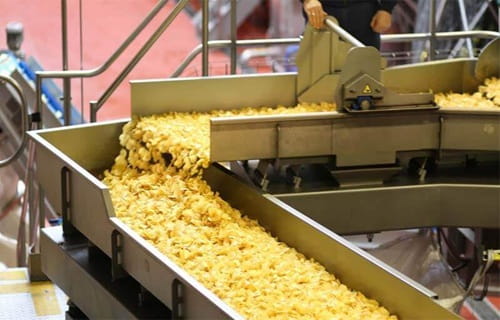
India’s packaged snack industry has grown rapidly over the last decade, and potato chips remain one of its strongest categories.
Several factors are driving market growth:
- Rising urbanisation
- Increasing demand for convenience foods
- Expansion of supermarkets and kirana stores
- Growth of online grocery delivery
- Youth-focused snacking culture
- Affordable low-price packaging
Unlike luxury food products, potato chips are impulse purchases with high repeat consumption.
Types of Potato Chips Businesses
1. Traditional Salted Chips
The most common and widely consumed category.
2. Flavoured Potato Chips
Masala, tomato, cream and onion, spicy, mint, and cheese flavours.
3. Kettle-Cooked and Premium Chips
Higher-quality segment targeting urban consumers.
4. Banana and Mixed Chips Expansion
Many businesses diversify into other fried snack products.
5. Private Label Manufacturing
Supplying chips under supermarket or distributor brands.
Investment Required: Flexible From Small Units to Large Factories
One of the biggest advantages of this industry is scalability.
A small local chips manufacturing setup may require ₹5–15 lakh including:
- Potato slicing machine
- Frying machine
- Oil filtration equipment
- Packaging machine
- Storage setup
- Initial raw materials
A medium-scale semi-automatic manufacturing unit may require ₹20–75 lakh depending on production capacity and automation level.
Large branded snack factories require significantly higher investment because of advanced machinery and nationwide distribution systems.
Raw Materials Needed
The main raw materials include:
- Potatoes
- Edible oil
- Salt and seasonings
- Packaging materials
- Flavouring ingredients
The quality of potatoes and frying oil directly affects taste, crispiness, and shelf life.
Revenue and Profit Potential
Potato chips manufacturing can become highly profitable because of large sales volume and strong retail demand.
Revenue comes from:
- Retail shop supply
- Supermarket distribution
- Wholesale dealers
- Online grocery platforms
- Schools and canteens
- Restaurant and café partnerships
For example:
- Small low-price packets generate massive sales volume.
- Premium flavoured chips command higher margins.
- Regional brands often perform strongly through local distribution.
A medium-scale chips manufacturing unit with strong distribution can generate substantial monthly revenue. Net profit margins generally range between 15–35% depending on branding, automation efficiency, and market reach.
Businesses that build recognizable local brands often achieve stronger long-term profitability.
What Makes This Business Work
1. Taste Consistency
Snack customers expect the same flavour and crispiness every time. Consistency is critical for repeat sales.
2. Distribution Network
Availability in local shops and supermarkets determines market success.
3. Attractive Packaging
Colourful and professional packaging strongly influences impulse purchases.
4. Affordable Pricing
Small ₹5 and ₹10 packs drive huge sales in India’s mass market.
5. Shelf Life Management
Proper packaging and oil quality help maintain freshness longer.
Challenges to Prepare For
1. Heavy Competition
Large national brands already dominate major markets.
2. Raw Material Price Fluctuation
Potato and edible oil prices can change seasonally.
3. Shelf Life and Quality Control
Poor packaging or oil quality can damage customer trust quickly.
4. Distribution Costs
Transporting low-cost snack products efficiently is challenging.
5. Marketing Pressure
Brand recognition plays a huge role in snack food sales.
Businesses that focus on strong local markets and consistent quality often survive competition successfully.
How to Increase Profitability
1. Focus on Regional Flavours
Indian consumers enjoy local spicy and masala flavours that national brands may not fully capture.
2. Build Strong Local Distribution
Kirana stores and local wholesalers remain extremely important in India.
3. Offer Multiple Pack Sizes
Small affordable packs attract mass-market buyers, while larger packs increase value sales.
4. Expand Product Range
Many businesses later add namkeen, banana chips, popcorn, or extruded snacks.
5. Invest in Branding
Memorable packaging and strong local marketing improve customer recall.
Potato Chips Business vs Other Snack Businesses
Compared to some snack categories, potato chips benefit from extremely high consumer familiarity and repeat purchases.
However, the business also faces intense competition and requires strong distribution management.
Taste consistency and pricing efficiency matter far more than fancy branding alone.
The Future of Potato Chips Manufacturing in India
The future looks extremely strong. India’s young population, growing snacking culture, and increasing packaged food consumption continue expanding the market every year.
Premium healthy chips, baked chips, and regional flavour innovations are also creating new opportunities beyond traditional products.
At the same time, online grocery delivery and quick-commerce platforms are helping smaller brands reach wider audiences faster than before.
The Verdict
Potato chips manufacturing is one of India’s strongest packaged snack opportunities because it combines affordable pricing, daily consumption habits, and massive retail demand.
Success in this business depends heavily on taste consistency, distribution strength, efficient production, and local market understanding rather than simply producing large quantities.
In a country where snack consumption continues rising across every age group, businesses that can deliver tasty, affordable, and reliable products will always find customers ready to buy the next packet.
Frequently Asked Questions (FAQs)
Q1. How much investment is needed to start a potato chips manufacturing business in India?
A: A small setup may require ₹5–15 lakh, while medium-scale semi-automatic units may require ₹20–75 lakh or more.
Q2. Is potato chips manufacturing profitable in India?
A: Yes. Strong retail demand and high repeat consumption make it a highly profitable snack food business.
Q3. What raw materials are required for potato chips manufacturing?
A: Potatoes, edible oil, salt, flavouring ingredients, and packaging materials are the main raw materials.
Q4. Who are the major buyers of potato chips?
A: Retail shops, supermarkets, wholesalers, schools, cafés, and online grocery platforms are major buyers.
Q5. What is the biggest challenge in this business?
A: Competition, maintaining taste consistency, and managing distribution efficiently are major challenges.
Q6. Is demand for packaged snacks increasing in India?
A: Absolutely. Urban lifestyles, youth consumption, and convenience food demand continue driving rapid market growth.