For decades, Indian agriculture depended heavily on chemical fertilizers to increase crop production. While these products helped improve yields, they also created growing concerns around soil health, water pollution, and long-term sustainability. Farmers across many regions began noticing declining soil fertility, rising cultivation costs, and reduced natural productivity over time.
At the same time, consumers started demanding safer and chemical-free food. Organic vegetables, fruits, and grains slowly moved from niche urban stores into mainstream supermarkets and online grocery platforms. This shift has created a powerful change in Indian agriculture — one that is steadily pushing farmers toward organic and sustainable farming practices.
Right at the centre of this transition sits one rapidly growing industry: organic fertilizer manufacturing.
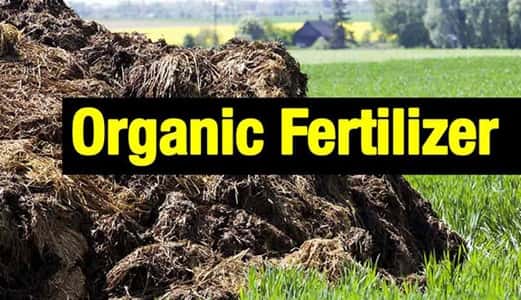
Organic fertilizers are made from natural materials such as animal waste, agricultural residue, compost, bio-waste, seaweed, and plant-based nutrients. Unlike synthetic fertilizers, they improve soil structure while also supporting long-term agricultural sustainability.
What once looked like a small rural business is now becoming a serious agricultural manufacturing opportunity with rising demand from farmers, nurseries, organic farming groups, and government-supported agricultural programmes.
So, is organic fertilizer manufacturing business profitable in India? Yes — highly profitable for businesses that focus on product quality, proper nutrient formulation, and strong agricultural distribution networks.
A Market Driven by Sustainable Agriculture
India’s organic farming sector has expanded rapidly over the last several years. Farmers are becoming more aware of soil health, while consumers increasingly prefer chemical-free food products.
Several factors are driving demand for organic fertilizers:
- Growth of organic farming
- Rising awareness about soil health
- Government support for sustainable agriculture
- Increasing demand for residue-free food
- Expansion of horticulture and gardening
- Rising chemical fertilizer costs
Demand now comes not only from large farms but also from urban gardening, terrace farming, landscaping, and nursery businesses.
Types of Organic Fertilizer Businesses
1. Vermicompost Manufacturing
Fertilizer produced using earthworms and organic waste.
2. Biofertilizer Production
Microbial products that improve soil nutrient availability.
3. Compost Fertilizer Manufacturing
Organic compost created from agricultural and biodegradable waste.
4. Liquid Organic Fertilizers
Used in modern farming and drip irrigation systems.
5. Granulated Organic Fertilizers
Easy-to-transport and commercially packaged fertilizer products.
Investment Required: Flexible From Small Rural Units to Large Plants
One of the biggest advantages of this industry is scalability.
A small compost or vermicompost setup may begin with ₹2–10 lakh including:
- Composting beds or tanks
- Raw organic waste
- Earthworms (for vermicompost)
- Storage and packaging setup
- Labour and transportation
A medium-scale organic fertilizer manufacturing plant may require ₹20 lakh–₹1 crore or more depending on machinery, drying systems, granulation equipment, and production capacity.
Large industrial plants producing branded packaged fertilizers require significantly higher investment.
Raw Materials Needed
Important raw materials include:
- Cow dung
- Agricultural waste
- Sugarcane waste
- Poultry waste
- Plant residue
- Bio-cultures
- Composting microbes
Availability of low-cost organic raw material strongly affects profitability.
Revenue and Profit Potential
Organic fertilizer manufacturing can become highly profitable because raw materials are often inexpensive while demand for finished products continues growing.
Revenue comes from:
- Farmer supply networks
- Agricultural stores
- Nurseries and garden centres
- Organic farming groups
- Government agricultural programmes
- Online gardening product sales
For example:
- Branded organic fertilizers often sell at significantly higher prices than raw compost materials.
- Liquid and specialty organic fertilizers usually command better margins.
- Urban gardening products create premium retail opportunities.
A medium-scale organic fertilizer unit with stable distribution can generate strong monthly revenue. Net profit margins generally range between 15–35% depending on raw material sourcing, branding, and transportation efficiency.
Businesses with strong agricultural dealer networks often achieve long-term stability.
What Makes This Business Work
1. Product Quality
Farmers expect visible improvement in soil fertility and crop health. Poor-quality products quickly damage trust.
2. Strong Distribution Network
Agricultural dealers and local farmer networks are critical for growth.
3. Affordable Raw Material Access
Businesses located near farms, dairy units, or agricultural waste sources often operate more efficiently.
4. Proper Packaging and Branding
Modern farmers increasingly prefer professionally packaged and certified products.
5. Government and Institutional Support
Sustainable agriculture initiatives create additional demand opportunities.
Challenges to Prepare For
1. Farmer Awareness Gap
Some farmers still prefer chemical fertilizers because of faster visible results.
2. Transportation Costs
Organic fertilizers are bulky and expensive to transport long distances.
3. Seasonal Demand Fluctuation
Demand often rises during sowing seasons.
4. Quality Standardization
Maintaining consistent nutrient composition can be challenging.
5. Competition From Chemical Fertilizers
Synthetic fertilizers still dominate many agricultural markets.
Businesses that focus on farmer education and proven product performance usually build stronger long-term customer trust.
How to Increase Profitability
1. Target Organic Farming Clusters
Farmers already practicing organic farming become easier long-term customers.
2. Build Dealer Networks
Agricultural retailers remain extremely important in rural India.
3. Offer Soil Health Education
Helping farmers understand long-term benefits improves repeat sales.
4. Expand Product Range
Many businesses later add bio-pesticides, plant growth promoters, and micronutrient products.
5. Use Government Programmes
Agricultural subsidy and awareness schemes can help expand market reach.
Government Support and Agricultural Policies
India’s government actively promotes sustainable farming and organic agriculture through various programmes.
Support may include:
- Organic farming promotion schemes
- Agricultural subsidies
- MSME support
- Startup and rural enterprise schemes
- Biofertilizer promotion initiatives
This policy support strengthens long-term growth potential for the industry.
Organic Fertilizer vs Chemical Fertilizer Business
Chemical fertilizers often produce faster short-term crop responses, but organic fertilizers improve long-term soil health and sustainability.
The organic segment is growing particularly fast among health-conscious farming communities and premium crop producers.
However, education and trust-building remain more important in organic fertilizer marketing compared to traditional fertilizer businesses.
The Future of Organic Fertilizer Manufacturing in India
The future looks extremely promising. Rising environmental awareness, soil degradation concerns, and increasing demand for organic food are expected to push sustainable farming adoption much higher in the coming years.
Urban gardening, terrace farming, and organic vegetable cultivation are also expanding rapidly across Indian cities.
As consumers continue demanding cleaner and healthier food products, organic fertilizer businesses are likely to benefit strongly from long-term agricultural transformation.
The Verdict: A Sustainable Agri-Business With Growing Demand
Organic fertilizer manufacturing is one of the most promising agricultural manufacturing businesses in India today. It combines rising environmental awareness, growing organic farming demand, and relatively flexible investment opportunities.
Success in this business depends heavily on product quality, farmer trust, raw material management, and distribution strength rather than aggressive advertising alone.
In a country where soil health and sustainable farming are becoming increasingly important, businesses that can improve agricultural productivity naturally are likely to remain valuable for many years ahead.
Frequently Asked Questions (FAQs)
Q1. How much investment is needed to start an organic fertilizer manufacturing business in India?
A: A small setup may require ₹2–10 lakh, while medium-scale manufacturing plants may require ₹20 lakh–₹1 crore or more.
Q2. Is organic fertilizer manufacturing profitable in India?
A: Yes. Rising organic farming and sustainable agriculture demand make it a highly promising agri-business opportunity.
Q3. What raw materials are used in organic fertilizer manufacturing?
A: Cow dung, agricultural waste, poultry waste, compost materials, and bio-cultures are commonly used.
Q4. Who are the major buyers of organic fertilizers?
A: Farmers, nurseries, organic farming groups, garden centres, and agricultural retailers are major buyers.
Q5. What is the biggest challenge in this business?
A: Farmer awareness, transportation costs, and maintaining consistent product quality are major challenges.
Q6. Is demand for organic fertilizers increasing in India?
A: Absolutely. Organic farming growth, soil health awareness, and rising demand for chemical-free food continue driving strong market expansion.