Whenever the Reserve Bank of India (RBI) changes the repo rate, it directly impacts borrowers, especially people with home loans. Many homebuyers closely watch RBI policy meetings because even a small repo rate cut can reduce EMIs and make loans cheaper.
But how exactly does this happen?
Let us understand:
What Is Repo Rate?
The repo rate is the interest rate at which the Reserve Bank of India lends money to commercial banks.
When banks need short-term funds, they borrow from RBI and pay interest based on the repo rate.
- Higher repo rate = expensive borrowing for banks
- Lower repo rate = cheaper borrowing for banks
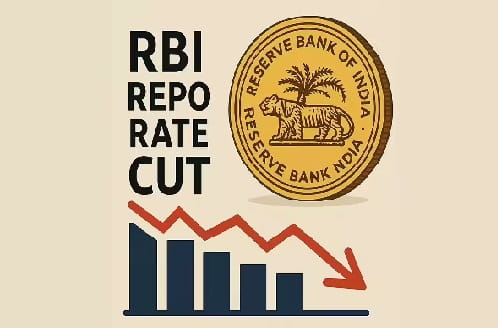
When RBI cuts the repo rate, banks can borrow money at lower cost, and this may reduce loan interest rates for customers.
How Repo Rate Cut Impacts Home Loans
Lower Home Loan Interest Rates
The biggest impact is on home loan interest rates.
After a repo rate cut, many banks and housing finance companies reduce their lending rates, especially for floating-rate home loans linked to repo benchmarks.
For example:
- Earlier home loan rate: 9%
- After repo cut: 8.5%
Even a small reduction can save lakhs over long loan tenures.
Reduced EMI for Borrowers
When interest rates fall, monthly EMI may reduce.
Example:
Suppose you have:
- ₹50 lakh home loan
- 20-year tenure
At 8.75%, EMI may be around ₹44,000.
If the rate falls to 8.50%, EMI may reduce by several hundred rupees every month.
Over 20 years, this can create major savings.
Existing Borrowers Benefit More in Floating Loans
Repo rate cuts mainly help:
- Floating-rate home loans
- EBLR-linked loans
- Repo-linked loans
These loans change according to RBI rate movements.
If your loan is fixed-rate, the EMI usually remains unchanged unless you refinance or switch lenders.
Loan Eligibility May Increase
Lower interest rates reduce EMI burden. Because of this:
- Banks may offer higher loan amounts
- Home affordability improves
- More people qualify for loans
For salaried buyers, this can increase purchasing power significantly.
Property Demand Often Increases
Cheaper home loans encourage more people to buy property.
This usually benefits:
- Real estate sector
- Builders
- Housing demand
- Homebuyers waiting for lower rates
That is why property sales often improve after major repo rate cuts.
Repo Rate Cut Does Not Always Give Immediate Benefit
Many borrowers think EMI drops instantly after RBI announcement. But that may not happen immediately.
Reasons include:
- Bank internal policies
- Loan benchmark type
- Reset period of the loan
- Older MCLR-linked loans
Some banks pass benefits quickly, while others may take weeks or months.
What Happens If Repo Rate Increases?
The opposite also happens.
If RBI increases repo rate:
- Home loan interest rates rise
- EMIs increase
- Loan becomes expensive
- Buyers may delay purchases
This is why borrowers with floating-rate loans should always monitor RBI policy updates.
Should You Reduce EMI or Loan Tenure?
When rates fall, banks may offer two choices:
Lower EMI
Your monthly payment reduces while tenure stays same.
Reduce Loan Tenure
EMI remains similar but loan closes faster, saving more interest overall.
Financial experts often prefer reducing tenure because it lowers total interest burden.
Tips for Home Loan Borrowers During Repo Rate Cuts
1. Check Your Loan Type
Repo-linked and floating-rate loans benefit faster from RBI cuts.
2. Compare Other Lenders
Sometimes switching lenders through balance transfer gives lower rates.
3. Consider Partial Prepayment
When rates fall, extra prepayment can reduce loan tenure sharply.
4. Monitor Reset Dates
Interest changes may apply only during scheduled reset periods.
Final Thoughts
An RBI repo rate cut generally brings good news for home loan borrowers. It can lower interest rates, reduce EMIs, improve loan affordability, and save large amounts over long tenures.
However, the actual benefit depends on your loan type, lender policies, and rate reset cycle. Borrowers with floating-rate or repo-linked loans usually gain the most from rate reductions.
Understanding how repo rate affects your home loan can help you make smarter financial decisions and manage your loan better.
FAQs
Q: What happens to home loan when repo rate is cut?
A: Home loan interest rates may reduce, especially for floating-rate and repo-linked loans.
Q: Will my EMI reduce automatically after repo rate cut?
A: Usually yes for floating-rate loans, but it depends on your lender’s reset cycle and policy.
Q: Does repo rate affect fixed home loans?
A: Not immediately. Fixed-rate loans generally remain unchanged unless refinanced.
Q: Who benefits most from repo rate cut?
A: Borrowers with floating-rate or repo-linked home loans benefit the most.
Q: Can repo rate cut increase home loan eligibility?
A: Yes, lower EMIs can improve affordability and increase eligible loan amount.
Q: Is repo-linked home loan better?
A: Repo-linked loans usually respond faster to RBI rate changes, which can benefit borrowers during rate cuts.