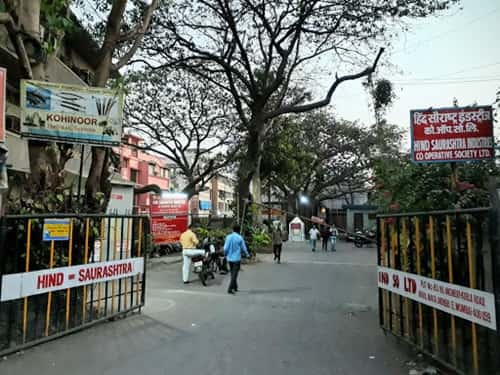
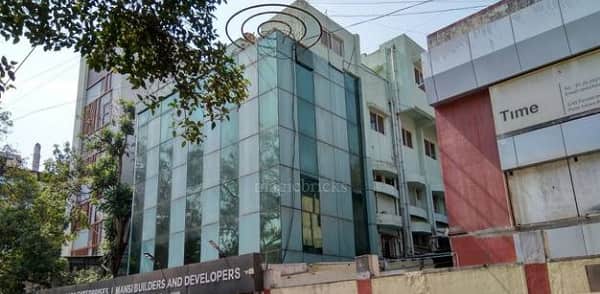
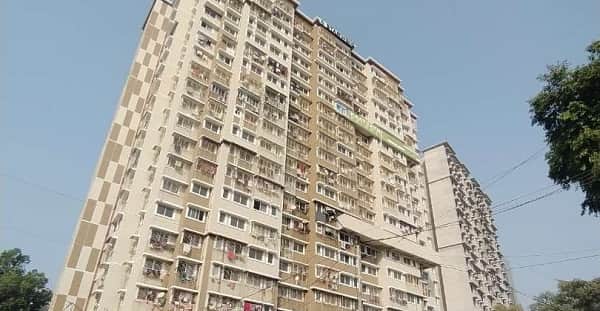
Doddanna Industrial Estate is a well-known commercial-industrial cluster located in the Peenya-Mahadevapura extension belt of Bengaluru, Karnataka. Spread across a practical layout near one of Karnataka’s largest industrial zones, the estate has served as a working business address for decades — hosting a diverse mix of small-scale manufacturing units, engineering workshops, auto component firms, warehousing operators, trading companies, and service-sector tenants in one of Bengaluru’s most active industrial belts.
Bengaluru has transformed dramatically over the past two decades, moving from a city known primarily for its IT sector into one of India’s most balanced economies — combining software, manufacturing, aerospace, biotechnology, and electronics. Doddanna Industrial Estate has held its relevance through this transformation, continuing to serve as a practical base for SMEs and mid-sized manufacturing firms that value Bengaluru’s location, talent pool, and industrial ecosystem without the rates of newer business parks along the Outer Ring Road or Electronic City.
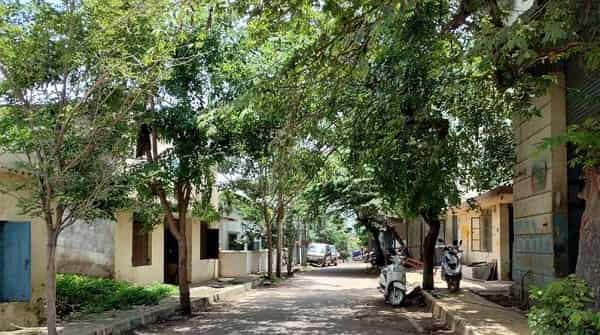
Doddanna Industrial Estate Quick Overview
| Category | Details |
| Location | Doddanna Industrial Area, Peenya Extension, Bengaluru |
| State | Karnataka |
| Industrial Estate | Doddanna Industrial Estate |
| PIN Code | 560091 |
| Developed By | Karnataka Industrial Areas Development Board (KIADB) / KSSIDC |
| Major Industries | Engineering, Auto Components, Manufacturing, Electronics, Warehousing |
| Distance from Bengaluru City Centre | Approx. 12-15 km |
| Nearby Airport | Kempegowda International Airport, Bengaluru |
| Major Roads | Tumkur Road (NH-48), Outer Ring Road, Peenya Main Road |
| Nearby Landmark | Peenya Industrial Area, Jalahalli, Andrahalli, Rajajinagar |
Location and Connectivity
Connectivity is one of Doddanna Industrial Estate’s practical strengths. Its Peenya-extension location places it on several of Karnataka’s most important transport corridors.
Road access is strong. The estate connects directly to Tumkur Road (NH-48), one of the main arterial routes linking Bengaluru to Tumkur, Chitradurga, and onward to Pune and Mumbai. The Outer Ring Road (ORR) is easily accessible, providing direct links to Hebbal, Yeshwanthpur, and the Bellary Road corridor. Peenya Main Road and Jalahalli Cross are major internal connections.
The metro story has been transformative. Namma Metro’s Green Line (North-South corridor) serves the Peenya belt directly, with Peenya Industry metro station and Peenya metro station both within easy reach of Doddanna Industrial Estate. This has genuinely improved daily commuting for the estate’s workforce, particularly from central and southern Bengaluru. The upcoming metro expansion to Tumkur Road will add further connectivity.
For rail, Yeshwanthpur Junction is about 6-8 km away, offering extensive passenger and freight services. KSR Bengaluru City Railway Station, the major terminal, is about 12-14 km away.
Kempegowda International Airport at Devanahalli is approximately 30-35 km away, typically 45-60 minutes by road. While not as airport-adjacent as some industrial estates, the distance is manageable for business travel and cargo.
Business and Commercial Importance
Doddanna Industrial Estate plays a meaningful role in Bengaluru’s broader manufacturing and commercial economy. It supports the kind of businesses that form the backbone of Karnataka’s industrial output — particularly in engineering and auto components.
Engineering and precision manufacturing is a dominant sector. Hundreds of units across the Peenya belt, including those at Doddanna, produce machinery components, valves, pumps, fabrication goods, precision parts, and industrial equipment serving clients across India and internationally. The proximity to Bengaluru’s aerospace and defence hubs also supports specialised precision component manufacturing.
Auto component and ancillary manufacturing is another major pillar. Bengaluru hosts Toyota Kirloskar, Volvo, Bosch, and several other OEMs and Tier-1 suppliers. Doddanna and the broader Peenya belt serve as a crucial Tier-2 and Tier-3 supplier base, producing parts, sub-assemblies, and specialty components.
Electronics manufacturing has grown steadily, particularly for industrial electronics, power equipment, and component assembly. Warehousing, logistics, and distribution operators have also expanded their presence, drawn by the estate’s access to Tumkur Road and the Outer Ring Road.
Trading companies dealing in industrial goods, hardware, electrical supplies, and specialty machinery add depth to the tenant mix. Over recent years, more service-sector businesses — including CA offices, consulting firms, and small IT service providers — have moved into upper-floor units.
Nearby Infrastructure and Facilities
Despite the estate’s industrial character, the surrounding area is richly developed, supporting comfortable business operations.
Commercial infrastructure includes multiple banks (HDFC, ICICI, SBI, Axis, Canara Bank, Karnataka Bank), ATMs, cooperative banks, courier services, and industrial supply shops lining Peenya Main Road and Tumkur Road. The Peenya Industries Association, representing thousands of units in the broader belt, plays an active role in collective ecosystem support.
Healthcare options are reasonably strong. People Tree Hospital, M.S. Ramaiah Memorial Hospital, and Columbia Asia Hospital (Yeshwanthpur) are within reasonable reach. Smaller clinics and specialty facilities operate along the Peenya corridor.
Hotels and guest houses around Peenya and Yeshwanthpur cater to the business travel demand. Food options run the full South Indian spectrum — from traditional Udupi and Darshini outlets to Andhra-style restaurants, quick-service options, and the ubiquitous filter coffee stalls.
Educational institutions including M.S. Ramaiah Institute of Technology, R.V. College of Engineering, and several engineering and management colleges in the Peenya-Yeshwanthpur belt provide a steady pipeline of fresh technical talent. Bengaluru’s broader educational ecosystem — including IISc, IIM Bangalore, and various private universities — is within reasonable reach.
Residential neighbourhoods in Rajajinagar, Vijayanagar, Jalahalli, and Malleswaram house much of the estate’s white-collar workforce. Yeshwanthpur and Hebbal have emerged as popular upscale residential areas for executives.
Advantages of the Location
KIADB/KSSIDC institutional backing is a major draw. Karnataka’s industrial development framework offers developed plots, reliable power supply, water infrastructure, and single-window clearance mechanisms that speed up setup times. The Karnataka state government’s industrial policy has been consistently supportive of MSMEs.
Peenya ecosystem depth is the second major strength. Being part of Asia’s largest SME industrial belt means Doddanna tenants benefit from an extraordinary density of vendors, suppliers, job-workers, machinery services, electroplating shops, precision engineering firms, and specialty providers — all within a short radius. This ecosystem effect is genuinely hard to replicate elsewhere.
Metro connectivity has been transformative for daily operations. Employees can now commute from central and southern Bengaluru via Namma Metro, significantly expanding the available labour catchment and reducing reliance on road-based commutes through congested arterials.
Proximity to Bengaluru’s OEM network — Toyota Kirloskar, Volvo, Bosch, HAL, ISRO, DRDO labs — creates substantial business opportunities for engineering, auto ancillary, and specialty manufacturing firms.
Affordability relative to Bengaluru’s newer commercial belts remains a genuine advantage. Property and rental rates in Doddanna are meaningfully lower than those in Whitefield, Electronic City, or the Outer Ring Road IT corridor, making it attractive for manufacturing firms and SMEs watching their costs.
Challenges or Limitations
Traffic congestion on Tumkur Road, Outer Ring Road, and Peenya Main Road remains a significant concern, particularly during peak hours. Bengaluru’s broader traffic challenges are well-documented, and Peenya is no exception.
Parking is tight in older parts of the estate. Like most older industrial zones, Doddanna wasn’t designed for current vehicle volumes, and street-side space is often contested between tenants, visitors, and delivery trucks.
Infrastructure in older sections shows its age. Roads, drainage, and building stock in the original phases need continuous upgrades, and monsoon-season waterlogging affects certain low-lying stretches. KIADB and KSSIDC have been upgrading infrastructure steadily, but pace varies.
Environmental compliance has tightened significantly under the Karnataka State Pollution Control Board (KSPCB). Industries dealing with chemicals, electroplating, dyeing, and waste-generating processes face stricter scrutiny, requiring continuous investment in effluent treatment and emission control.
Distance from the airport (30-35 km) is a modest limitation for firms with frequent international exposure, particularly compared to industrial estates closer to Kempegowda International Airport.
Conclusion
Doddanna Industrial Estate has built its relevance on the practical strengths of Bengaluru’s Peenya industrial ecosystem — vendor density, skilled workforce, institutional support, and a diverse tenant base that forms a genuine working economy. Its mix of engineering firms, auto component manufacturers, electronics units, warehousing operators, and specialty service providers reflects the broader productive character of Karnataka’s industrial sector.
With Namma Metro now serving the Peenya belt, continued improvements to Tumkur Road and the Outer Ring Road, Karnataka’s stable policy environment, and Bengaluru’s emergence as a genuine manufacturing and technology hub, Doddanna Industrial Estate is set to remain a dependable working address — the kind of estate that quietly supports India’s SME economy while benefiting from Bengaluru’s broader rise as one of India’s most important economic centres.
FAQs
Q1. What is the PIN code of Doddanna Industrial Estate?
A: The estate falls under PIN code 560091, covering the Doddanna-Peenya extension belt of Bengaluru.
Q2. Who developed Doddanna Industrial Estate?
A: It was developed under Karnataka’s industrial framework, primarily involving the Karnataka Industrial Areas Development Board (KIADB) and the Karnataka State Small Industries Development Corporation (KSSIDC).
Q3. What kind of industries operate at Doddanna?
A: A diverse mix of engineering and precision manufacturing, auto component and ancillary firms, electronics manufacturing, warehousing, packaging, industrial trading, and service-sector businesses.
Q4. What is the nearest metro station?
A: Peenya Industry and Peenya metro stations on Namma Metro’s Green Line are within easy reach, significantly improving connectivity to the broader Bengaluru metro network.
Q5. What is the nearest railway station?
A: Yeshwanthpur Junction is about 6-8 km away, offering extensive passenger and freight services. KSR Bengaluru City Railway Station is about 12-14 km away.
Q6. How far is Kempegowda International Airport?
A: The airport at Devanahalli is approximately 30-35 km away, typically 45-60 minutes by road depending on traffic.
Q7. Is Doddanna a good choice for setting up a new manufacturing unit?
A: Yes, particularly for engineering, auto component, electronics, and SME manufacturing firms that value Peenya’s ecosystem depth, KIADB’s institutional support, and Bengaluru’s talent pool.
Q8. What are the main challenges of operating here?
A: Peak-hour traffic on Tumkur Road and Outer Ring Road, limited parking in older sections, ageing infrastructure in some parts, tightening environmental compliance, and airport distance are the most commonly cited concerns.