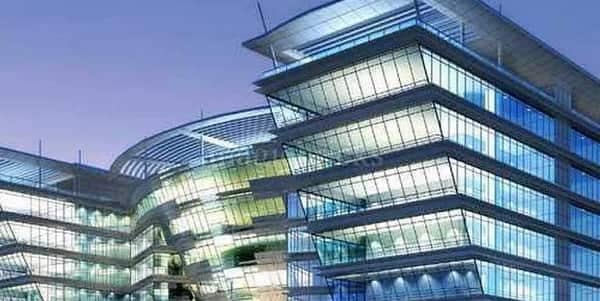
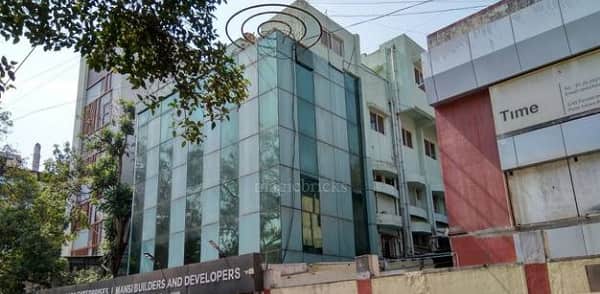
Parvati Industrial Estate is one of the well-known commercial-industrial clusters located in the southern part of Pune, tucked along the Parvati-Dhankawadi belt. Spread across a practical layout of factory units, workshops, warehouses, and commercial offices, the estate has served as a working business address for decades, housing a diverse mix of small-scale manufacturing, engineering workshops, trading firms, logistics operators, and service-sector tenants along one of Pune’s most active southern corridors.
Pune itself has undergone a remarkable transformation over the last fifteen years, shifting from a quieter educational and industrial city into one of India’s most dynamic IT, automotive, and manufacturing hubs. Parvati Industrial Estate has held its ground through that shift, staying relevant for businesses that value a central Pune address with genuine connectivity to the Mumbai-Pune corridor, Hinjewadi IT hub, and the city’s wider manufacturing belts in Chakan, Talegaon, and Ranjangaon.
| Category | Details |
| Location | Parvati, South Pune |
| State | Maharashtra |
| Industrial Estate | Parvati Industrial Estate |
| PIN Code | 411009 |
| Type | Mixed Industrial & Commercial Estate |
| Major Industries | Engineering, Manufacturing, Trading, Warehousing, Logistics, Offices |
| Distance from Pune City Centre | Approx. 5-7 km |
| Nearby Airport | Pune International Airport, approx. 13-15 km |
| Major Roads | Sinhagad Road, Pune-Satara Road (NH-48), Katraj-Dehu Road Bypass |
| Nearby Landmark | Parvati Hill, Dandekar Bridge, Swargate, Sarasbaug, City Pride Satara Road |
Location and Connectivity
Connectivity is where Parvati Industrial Estate genuinely holds its value. Its southern Pune location places it within easy reach of several important transport corridors.
Road access is strong. The estate connects to Sinhagad Road, one of southern Pune’s primary commercial arteries, and the Pune-Satara Road (NH-48), which links directly to Mumbai via the Pune-Mumbai Expressway and to Bengaluru via the southern highway corridor. The Katraj-Dehu Road Bypass provides quick access to Pune’s outer ring and the Talegaon-Chakan industrial belt.
Swargate, one of Pune’s most important transport hubs, is roughly 2-3 km from the estate. Swargate hosts the central bus terminal for ST and city buses, and is the southern terminus of Pune Metro’s Purple Line (PCMC-Swargate), which became fully operational in phases. This metro access has been a meaningful upgrade for daily commuters heading to and from the estate.
For rail, Pune Junction — one of the busiest railway stations in western India — is about 5-6 km away, offering extensive connectivity across India. Shivajinagar Station is another option.
Pune International Airport at Lohegaon is approximately 13-15 km away, typically reachable in 30-40 minutes by road depending on traffic. For logistics operators and export-oriented firms, this airport proximity is a genuine operational advantage.
Business and Commercial Importance
Parvati Industrial Estate plays a quiet but meaningful role in Pune’s broader commercial and industrial economy. It supports the kind of businesses that need a functional, well-connected, and reasonably priced base rather than premium Grade-A space in Hinjewadi or Kharadi.
The tenant mix is notably diverse. You’ll find light engineering workshops, precision machining units, small automobile ancillary firms, packaging companies, plastic moulders, and fabrication outfits operating across the estate. Trading companies — many dealing with industrial goods, electrical supplies, and hardware — form another significant segment.
Warehousing and logistics operators have grown their footprint steadily, taking advantage of the estate’s access to Sinhagad Road and NH-48 for distribution across western Maharashtra. CA offices, legal practices, consultancies, and small IT service firms occupy upper-floor units, reflecting the broader commercialisation of southern Pune.
Food processing, textile trading, and specialty manufacturing units add further depth. Over the past decade, more service-sector tenants — including digital agencies, design studios, and boutique consultancies — have moved in, drawn by the estate’s affordability compared to the premium rates at Viman Nagar, Kalyani Nagar, or Hinjewadi.
Nearby Infrastructure and Facilities
Despite its industrial character, the surroundings are well-developed, which supports comfortable business operations.
The Parvati-Dhankawadi-Sinhagad Road belt is one of Pune’s most active residential and retail corridors. City Pride Satara Road, Treasure Park Mall, and several shopping centres provide retail and leisure options. Restaurants, cafes, quick-service outlets, and Pune’s famously diverse food scene are abundant nearby.
Healthcare options are strong. Jehangir Hospital, Sahyadri Hospital, and KEM Hospital are within reasonable reach, along with several specialty clinics. The Sassoon Hospital complex near Pune Station is about 5-6 km away.
Banks, ATMs, cooperative banks that specifically serve MSMEs, courier services, and industrial supply shops are easily available. Business hotels along Sinhagad Road and near Swargate cater to visiting clients.
Educational institutions including Bharati Vidyapeeth, Symbiosis Law School, and several engineering colleges are nearby, providing a steady pool of fresh talent. Parvati Hill, one of Pune’s oldest landmarks with its 17th-century temple complex, gives the area its name and distinctive cultural character.
Advantages of the Location
Affordability is one of the biggest draws. Rental and property rates at Parvati Industrial Estate remain significantly gentler than Kalyani Nagar, Viman Nagar, Koregaon Park, or Hinjewadi — making it genuinely attractive for startups, SMEs, and growth-stage firms watching their costs.
Central Pune connectivity is the second major advantage. Being within the city proper, rather than in peripheral industrial zones, means the estate is accessible from every direction — employees can commute from Pimpri-Chinchwad, Kothrud, Wanowrie, Hadapsar, or Camp without major difficulty.
The Mumbai-Pune corridor access is particularly valuable. The Pune-Mumbai Expressway is easily reachable via the Katraj tunnel and NH-48, giving businesses quick connections to Mumbai — useful for client meetings, vendor coordination, and freight movement.
The established business environment adds another layer of value. Decades of tenant continuity have created a working ecosystem of vendors, transport operators, electricians, machinery repair services, printing shops, and packaging suppliers — making it faster for new tenants to become operational.
Proximity to both Pune Junction and the airport gives the estate a rare combination of rail and air connectivity within a short drive, valuable for businesses with pan-India or international dealings.
Challenges or Limitations
Traffic congestion is a recurring concern. Sinhagad Road, the Pune-Satara corridor, and the roads around Swargate all see heavy congestion during peak hours, affecting commutes and deliveries alike. The narrow internal lanes in older parts of the estate don’t always accommodate heavy vehicles smoothly.
Parking is tight throughout. Like most of older Pune’s commercial zones, Parvati wasn’t designed for current vehicle volumes, and street-side parking is constantly contested between tenants, visitors, and delivery trucks.
Infrastructure, while functional, isn’t modern. Several buildings show their age, and the finishes can feel dated compared to newer industrial parks in Chakan, Hinjewadi, or Talegaon. Monsoon waterlogging affects certain low-lying stretches annually.
Environmental compliance has tightened, with the Maharashtra Pollution Control Board stepping up scrutiny of smaller manufacturing units — particularly those dealing with chemicals, electroplating, or waste-generating processes.
Conclusion
Parvati Industrial Estate has quietly served southern Pune’s commercial and industrial needs for decades, building its relevance on the practical advantages that matter most to working businesses — central location, genuine connectivity, affordability, and a settled ecosystem of vendors and support services.
With Pune Metro’s Purple Line now serving Swargate, continued improvements to the Pune-Satara corridor and Katraj-Dehu Bypass, and Pune’s broader rise as one of India’s most important commercial cities, Parvati Industrial Estate is set to remain a dependable working address in the southern part of the city — the kind of estate that keeps Pune’s SME and service economy running without seeking the spotlight.
FAQs
Q1. What is the PIN code of Parvati Industrial Estate?
A: The estate falls under PIN code 411009, the primary pin code for the Parvati-Dhankawadi belt of southern Pune.
Q2. Where exactly is Parvati Industrial Estate located?
A: It is located in the Parvati area of southern Pune, close to Sinhagad Road, Swargate, and the Pune-Satara Road corridor.
Q3. What kind of businesses operate at Parvati Industrial Estate?
A: A diverse mix of light engineering workshops, precision machining units, automobile ancillary firms, packaging companies, plastic moulders, trading firms, warehouses, logistics operators, CA offices, and service-sector tenants.
Q4. What is the nearest metro station?
A: Swargate metro station on Pune Metro’s Purple Line (PCMC-Swargate) is the closest, roughly 2-3 km from the estate.
Q5. What is the nearest railway station?
A: Pune Junction is approximately 5-6 km away, offering extensive connectivity across India. Shivajinagar Station is another option.
Q6. How far is Pune airport?
A: Pune International Airport at Lohegaon is about 13-15 km away, typically reachable in 30-40 minutes by road depending on traffic.
Q7. Is Parvati Industrial Estate a good choice for small businesses?
A: Yes, particularly for SMEs, trading firms, engineering workshops, and service-sector businesses that value central Pune connectivity and affordability over premium business park aesthetics.
Q8. What are the main challenges of operating here?
A: Peak-hour traffic on Sinhagad Road and the Pune-Satara corridor, limited parking, older building infrastructure, and occasional monsoon waterlogging are the most commonly cited concerns.