Swing trading is a trading approach that aims to capture price movements in financial markets over several days or weeks. Unlike intraday traders, who generally close their positions before the trading session ends, swing traders hold positions for longer periods to benefit from short-term trends or price swings.
This approach attracts traders who want to participate in market movements without monitoring prices throughout every trading session. However, swing trading still requires research, planning, risk management, and an understanding of market volatility. Positions can move against expectations, and holding trades for several days exposes traders to overnight news and price gaps.
Understanding how swing trading works, how long positions typically last, and what risks are involved can help beginners decide whether this approach suits their financial goals.
What Is Swing Trading?
Swing trading is a strategy that attempts to profit from price movements occurring over a relatively short period. Traders may buy an asset when they expect its price to rise or take an appropriate short position where permitted if they expect a decline.
The term swing refers to a movement in price from one level to another. A trader might try to enter near a potential support level and exit near resistance, or participate in a developing trend.
Swing traders often use price charts, technical indicators, trading volume, and company or economic news to identify possible opportunities. Some focus on stocks, while others trade eligible exchange-traded funds, currencies, commodities, or derivatives.
For example, suppose a stock trades at ₹500 and a trader believes it may rise over the next two weeks. The trader buys shares at ₹500 and plans to sell if the price reaches ₹540, while also setting a risk limit if the price falls. If the expected movement occurs, the position may produce a profit before costs. If the stock declines, the trader may incur a loss.
This example is simplified. Prices do not necessarily follow expected patterns, and no chart setup or indicator guarantees a successful trade.
How Long Do Swing Trading Positions Last?
Swing trading positions commonly last from a few days to several weeks. There is no fixed holding period because the duration depends on the strategy, the asset’s price behaviour, and whether the original reason for entering the trade remains valid.
Some traders may hold a position for two or three trading days to capture a short price movement. Others may remain invested for two to four weeks if a trend continues. Occasionally, a position may last longer, but a trade held for months based mainly on long-term business fundamentals may be closer to investing or position trading than conventional swing trading.
The intended holding period should be decided before entering the trade. Traders should define the conditions that would lead them to exit, such as reaching a target price, hitting a stop-loss level, or receiving new information that invalidates the original analysis.
A trader should not keep extending the holding period simply because a position has moved into a loss. Doing so can turn a planned short-term trade into an unplanned investment with a different risk profile.
How Swing Trading Differs From Intraday Trading
The main difference is how long positions are held.
Intraday traders generally open and close positions within the same trading session. They focus on short-term price movements and typically avoid carrying intraday positions overnight, subject to their broker’s product rules.
Swing traders hold positions beyond the end of the trading day. This gives them more time to capture a price trend, but it also exposes them to events that occur while the market is closed.
For example, a company may announce disappointing earnings after the market closes. When trading resumes, its share price could open significantly lower than the previous closing price. A swing trader holding that stock may face a loss larger than expected, even if a stop-loss order was placed.
Swing trading generally involves fewer trading decisions than very active intraday trading, although it still requires regular monitoring and disciplined risk management.
Common Strategies Used in Swing Trading
Swing traders use different methods to identify potential entries and exits. The right approach depends on the trader’s experience, the asset being traded, and prevailing market conditions.
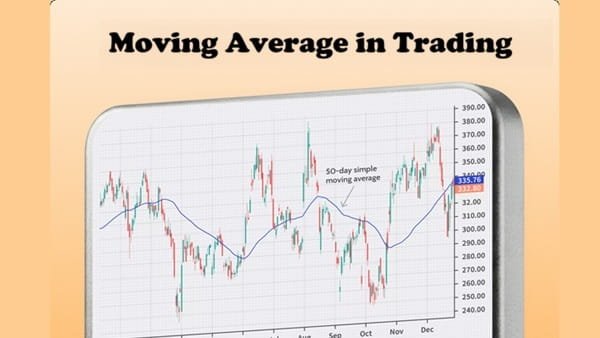
Trend trading: Traders look for an established upward or downward trend and attempt to benefit from a continuation of that movement. Moving averages and price structure may help identify trends, but signals can be misleading in choppy markets.
Support and resistance: Support is a price area where buying interest may emerge, while resistance is an area where selling pressure may increase. Traders watch these levels for possible reversals or breakouts, although neither outcome is guaranteed.
Breakout trading: A trader enters when an asset moves beyond a price range or an important technical level. Breakouts can lead to strong moves, but false breakouts also occur, so risk limits are important.
Pullback trading: Traders look for a temporary price decline within an upward trend or a temporary rise within a downward trend. The aim is to enter when the broader trend appears likely to resume, but the trend can reverse instead.
These methods are not foolproof. Traders should test their approach and avoid relying on a single indicator or unverified trading tip.
Risk Management and Costs
Swing trading requires a clear plan for managing losses. Before entering a position, traders should decide how much capital they are willing to risk, where the trade thesis would be invalidated, and how much exposure they can afford across all open positions.
Stop-loss orders may help control risk, but they cannot guarantee a specific exit price during gaps or fast-moving markets. Traders should also account for brokerage, taxes, transaction charges, and the effect of spreads on net returns.
Because positions remain open overnight, traders need to consider company announcements, economic data, geopolitical events, and broader market movements. Diversification and sensible position sizing can help avoid placing too much capital at risk in one trade, although they cannot eliminate losses.
Beginners should avoid borrowing money to trade and should not use funds needed for rent, education, medical expenses, or other essential obligations.
Is Swing Trading Suitable for Beginners?
Swing trading may appeal to beginners who cannot monitor the market continuously during the day. However, it still requires time to research assets, review charts, understand market news, and manage open positions.
Beginners can start by learning basic market concepts and practising with a simulated portfolio. They should record why each trade was entered, the planned exit, and the actual result. Reviewing this information can help identify mistakes and improve decision-making.
It is also important to distinguish trading from long-term investing. If your primary goal is to build wealth over many years, a diversified investment approach may be more appropriate than frequently buying and selling assets.
Conclusion
Swing trading aims to capture price movements over several days or weeks, although the exact holding period varies with the strategy and market conditions. It offers an alternative to intraday trading for people who prefer a longer timeframe, but it still carries risks from price changes, overnight events, and trading costs.
Successful risk management starts with planning each trade, controlling position size, and accepting that losses are part of trading. No holding period or strategy guarantees profits, so beginners should learn carefully before risking real money.
Frequently Asked Questions
Q. How long does a swing trade usually last?
A swing trade commonly lasts from a few days to several weeks. The actual duration depends on the strategy, price movement, and whether the original trade setup remains valid.
Q. Can swing traders hold stocks overnight?
Yes. Holding positions overnight is a normal feature of swing trading. However, news released outside market hours can cause prices to open sharply higher or lower.
Q. Is swing trading better than intraday trading?
Neither approach is automatically better. Swing trading uses a longer timeframe and involves overnight exposure, while intraday trading focuses on movements within a single session. Suitability depends on your goals, schedule, and risk tolerance.
Q. How much money is needed to start swing trading?
There is no universal minimum beyond the applicable broker and market requirements. The amount should reflect your strategy and ability to absorb losses, and should not include money needed for essential expenses.
Q. Do swing traders need technical analysis?
Many use technical analysis to identify trends, support and resistance, and possible entry or exit points. Some also consider company fundamentals and market news. No analytical method guarantees profitable trades.
Q. Can swing trading provide regular income?
No. Trading returns are uncertain, and some positions or periods may result in losses. Swing trading should not be treated as a guaranteed source of income.