A few years ago, starting a custom clothing or merchandise brand in India usually required one risky step — buying inventory in bulk. Entrepreneurs had to print hundreds of t-shirts, store unsold stock, manage packaging, and hope customers would eventually place orders. For beginners, that often meant financial pressure before the business even started.
Then the print-on-demand model changed everything.
Today, someone sitting in a small room with a laptop can launch a t-shirt brand, mug store, poster business, or anime merchandise page without owning a printing machine or warehouse. Products are printed only after customers place orders, which removes one of the biggest risks in traditional retail: dead inventory.
This low-risk setup, combined with Instagram marketing, creator culture, meme trends, and India’s growing e-commerce industry, has turned print on demand into one of the most popular online business models among young entrepreneurs and content creators.
So, is print on demand business profitable in India? Yes — highly profitable for businesses that focus on unique designs, niche audiences, branding, and smart online marketing.
A Business Model Built on Creativity Instead of Inventory
Print on demand, often called POD, works differently from traditional product manufacturing.
Instead of printing products in advance, items are created only after customers place an order.
The process usually works like this:
- You create an online store.
- Customers place orders.
- A POD supplier prints and ships the product.
- You keep the profit margin.
This allows entrepreneurs to sell products without investing heavily in stock or production equipment.
Products Commonly Sold Through POD
The print-on-demand model works across many product categories.
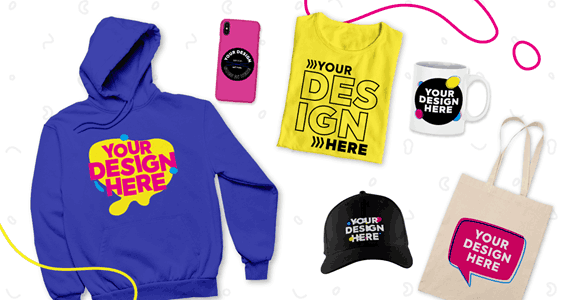
Popular products include:
- T-shirts
- Hoodies
- Mugs
- Phone covers
- Posters
- Tote bags
- Stickers
- Notebooks
- Wall art
- Anime and fandom merchandise
Niche products usually perform better than generic designs.
Why Print on Demand Is Growing in India
Several factors are driving rapid POD growth:
- Rise of Instagram businesses
- Creator and influencer culture
- Growth of online shopping
- Youth demand for personalized products
- Expansion of niche fandom communities
- Easy e-commerce setup through platforms like Shopify
Young consumers increasingly want products that reflect personality, humour, hobbies, or internet culture rather than generic mass-market items.
Investment Required: One of the Lowest-Cost E-Commerce Businesses
One of the biggest advantages of POD is low startup investment.
A beginner may start with ₹10,000–₹50,000 including:
- Website setup
- Domain name
- Design tools
- Marketing and ads
- Sample product orders
Because inventory is not purchased upfront, financial risk remains relatively low compared to traditional fashion or merchandise businesses.
Even home-based creators and students can start small.
Revenue and Profit Potential
Print-on-demand businesses can become highly profitable when designs connect strongly with specific audiences.
Revenue comes from the difference between production cost and selling price.
For example:
- A t-shirt printed for ₹300–₹500 may sell for ₹800–₹1,500 depending on branding and design appeal.
- Viral or trending designs can generate large sales spikes quickly.
- Niche communities often support premium pricing.
A successful POD brand with strong social media reach can generate several lakhs in monthly revenue. Net profit margins generally range between 20–50% depending on product pricing, ad costs, and branding strategy.
Businesses with loyal fan communities often achieve especially strong profitability.
What Makes This Business Work
1. Unique Design Ideas
People buy emotion, identity, humour, and fandom connection — not just products.
2. Niche Audience Focus
Anime fans, gym lovers, bikers, pet owners, gamers, and meme communities often respond strongly to niche merchandise.
3. Strong Social Media Marketing
Instagram Reels, YouTube Shorts, and influencer content drive most modern POD sales.
4. Brand Personality
Customers remember brands that feel relatable and culturally connected.
5. Fast Customer Experience
Good packaging, reliable delivery, and responsive support improve repeat purchases.
Challenges to Prepare For
1. High Competition
Thousands of stores now sell generic motivational quotes and copied designs.
2. Ad Costs
Paid marketing can become expensive without strong content strategy.
3. Supplier Quality Issues
Poor print quality or delayed shipping damages customer trust.
4. Trend Dependency
Some products sell only temporarily because of viral trends.
5. Low Repeat Purchases
Many customers buy occasionally rather than monthly.
Brands that focus on community and storytelling usually perform far better long-term than random design stores.
How to Increase Profitability
1. Build a Strong Niche Brand
Focused communities outperform general merchandise stores.
2. Create Viral Content
Organic reach through reels and meme-style content reduces ad dependency.
3. Use Influencer Collaborations
Creators help introduce products to loyal audiences quickly.
4. Expand Product Categories
Successful brands often add accessories, stationery, and lifestyle products.
5. Build Repeat Customer Systems
Email marketing and WhatsApp communities improve retention.
Print on Demand vs Traditional Clothing Business
Traditional clothing businesses require inventory investment and warehousing but often allow higher margins and quality control.
Print on demand reduces risk dramatically but creates dependence on supplier quality and shipping performance.
Many successful brands eventually move from POD into full custom manufacturing after building customer demand.
The Future of Print on Demand in India
The future looks promising because India’s creator economy and online shopping culture continue expanding rapidly.
Personalized products, fandom merchandise, and creator-led brands are becoming more mainstream every year.
At the same time, AI design tools and easier e-commerce access are making entry simpler — which also increases competition.
The businesses most likely to survive long term are those that create real community identity instead of only selling products.
The Verdict: A Low-Risk Creative Business With Strong Digital Potential
The print-on-demand business is one of India’s most accessible online business models today. It combines low startup investment, scalable e-commerce systems, and creativity-driven branding into one fast-growing digital industry.
Success in this business depends less on manufacturing and more on design originality, niche understanding, content creation, and brand personality.
In a country where millions of young consumers spend hours online discovering trends and communities every day, brands that can turn identity into products will continue finding strong opportunities.
Frequently Asked Questions (FAQs)
Q1. How much investment is needed to start a print-on-demand business in India?
A: A beginner can start with around ₹10,000–₹50,000 depending on website setup and marketing budget.
Q2. Is print on demand profitable in India?
A: Yes. Strong niche branding and creative marketing can generate very good profit margins.
Q3. Which products are most profitable in POD?
A: T-shirts, hoodies, mugs, posters, phone covers, and niche fandom merchandise are among the most profitable products.
Q4. Can POD businesses run without inventory?
A: Yes. Products are printed only after customers place orders, so inventory investment is usually not required initially.
Q5. What is the biggest challenge in POD business?
A: Competition, design originality, and customer acquisition are major challenges.
Q6. Is demand for customized merchandise increasing in India?
A: Absolutely. Social media culture, fandom communities, and personalized shopping trends continue driving strong market growth.