For generations in India, cows and buffaloes dominated the dairy industry while goat milk remained mostly limited to rural households and traditional medicinal use. But over the last decade, that picture has started changing quietly yet rapidly. Health-conscious consumers, doctors, nutrition experts, and parents are increasingly turning their attention toward goat milk because of its digestibility, nutritional value, and perceived health benefits.
What was once considered a niche product is now entering supermarkets, organic food stores, online grocery platforms, and premium health markets. Goat milk is no longer sold only in villages — it is becoming part of India’s growing wellness and specialty dairy economy.
This shift has created a new business opportunity for farmers and entrepreneurs. Goat milk farming combines dairy production, premium pricing, rising health awareness, and growing urban demand into one expanding agricultural business model.
So, is goat milk business profitable in India? Yes — highly profitable for businesses that focus on healthy livestock, quality milk production, and premium market positioning.
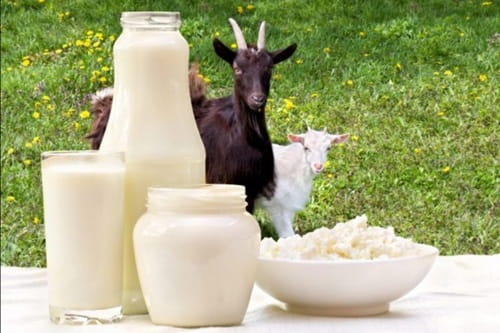
A Market Driven by Health Awareness
Goat milk is increasingly viewed as a healthier alternative to regular milk by many consumers.
Several factors are driving demand:
- Rising lactose sensitivity awareness
- Increasing health-conscious consumers
- Growth of organic and specialty food markets
- Higher demand for A2-type dairy alternatives
- Expansion of wellness and nutrition products
- Growing popularity of natural farming
Many people believe goat milk is easier to digest and beneficial for children, elderly individuals, and people with digestive sensitivity.
Why Goat Milk Sells at Premium Prices
One of the biggest advantages of the goat milk business is pricing power.
Compared to regular cow milk, goat milk is usually produced in smaller quantities and marketed as a premium health product. This allows farmers to charge significantly higher prices.
Goat milk is commonly used for:
- Direct consumption
- Infant nutrition alternatives
- Health-focused diets
- Ayurvedic and wellness products
- Goat milk soap and skincare products
- Specialty dairy items
This diversified demand improves business opportunities beyond simple milk sales.
Investment Required: Moderate and Scalable
The investment depends mainly on herd size and farm infrastructure.
A small goat dairy setup may require ₹2–10 lakh including:
- Purchase of quality goats
- Shed construction
- Feeding systems
- Water supply
- Veterinary care
- Milking equipment
A medium-scale commercial goat dairy farm may require ₹15–50 lakh or more depending on breed quality, automation, and land availability.
Investment also includes:
- Fodder cultivation or feed supply
- Labour
- Vaccination and healthcare
- Refrigeration and transportation
Best Goat Breeds for Milk Production in India
Several breeds are preferred for dairy-focused goat farming.
Popular milk-producing breeds include:
- Jamunapari
- Beetal
- Sirohi
- Barbari
- Alpine
- Saanen
Breed selection directly affects milk yield and profitability.
Revenue and Profit Potential
Goat milk businesses can become highly profitable because of premium pricing and growing niche demand.
Revenue comes from:
- Fresh goat milk sales
- Cheese and dairy products
- Goat milk powder
- Goat milk soap and cosmetics
- Breeding and livestock sales
- Organic farming partnerships
For example:
- Goat milk often sells at much higher prices than regular dairy milk.
- Premium urban customers are willing to pay more for fresh organic goat milk.
- Value-added products generate even stronger margins.
A medium-scale goat dairy business with stable urban customers can generate strong monthly revenue. Net profit margins generally range between 20–40% depending on feed costs, milk pricing, and farm efficiency.
Businesses targeting premium health markets often achieve the best profitability.
What Makes This Business Work
1. Healthy Livestock Management
Milk quality depends directly on goat health, nutrition, and hygiene.
2. Premium Market Access
Urban health-conscious consumers provide much better pricing than ordinary local milk markets.
3. Proper Breed Selection
High-yield milk breeds improve production efficiency significantly.
4. Hygiene and Freshness
Dairy customers are extremely sensitive about cleanliness and product quality.
5. Value-Added Products
Cheese, soap, ghee, and skincare products increase profitability beyond raw milk sales.
Challenges to Prepare For
Limited Consumer Awareness
Many people are still unfamiliar with goat milk benefits.
1. Lower Milk Production Per Animal
Goats generally produce less milk than cows or buffaloes.
2. Veterinary Care and Disease Management
Proper healthcare is essential for maintaining production.
3. Feed and Fodder Costs
Nutrition directly affects milk yield and profitability.
4. Distribution and Shelf Life
Fresh milk requires fast delivery and refrigeration.
Businesses that focus on quality and premium positioning usually overcome these challenges more successfully.
How to Increase Profitability
1. Target Urban Health Markets
Premium customers in cities often pay significantly higher prices.
2. Sell Directly to Consumers
Direct subscriptions improve margins compared to wholesale supply.
3. Create Value-Added Products
Goat milk soap, cheese, and skincare products generate higher profits.
4. Use Social Media Branding
Health-focused dairy businesses perform strongly through Instagram and online marketing.
5. Build Organic and Natural Branding
Consumers interested in wellness products value natural farming practices heavily.
Government Support and Rural Opportunities
India’s livestock and dairy sectors receive support through:
- NABARD schemes
- Dairy and livestock financing
- Rural entrepreneurship programmes
- MSME support
- Agricultural subsidy initiatives in some regions
Goat farming is also considered an important livelihood activity in many rural areas.
Goat Milk Business vs Traditional Dairy Farming
Traditional dairy farming depends heavily on volume and mass distribution. Goat milk businesses, on the other hand, focus more on premium pricing and niche consumers.
This means goat milk farming often works better as a specialty dairy business rather than a mass-market commodity operation.
Branding and customer education matter much more in this industry.
The Future of Goat Milk Business in India
The future looks promising. India’s health-conscious consumer market continues expanding rapidly, while specialty dairy products are gaining more acceptance in urban areas.
Natural wellness products, organic foods, and alternative dairy segments are expected to grow strongly over the coming years.
As awareness around goat milk benefits increases further, demand is likely to rise steadily in premium markets.
The Verdict
The goat milk business is one of India’s most interesting specialty agricultural opportunities today. It combines premium dairy pricing, health-focused consumer trends, and flexible small-to-medium-scale farming potential.
Success in this business depends heavily on livestock quality, hygiene standards, customer education, and premium market positioning rather than simply producing large milk volumes.
In a country where consumers are increasingly searching for healthier and more natural food products, businesses that can provide trusted specialty dairy products are likely to find growing opportunities for many years ahead.
Frequently Asked Questions (FAQs)
Q1. How much investment is needed to start a goat milk business in India?
A: A small setup may require ₹2–10 lakh, while medium-scale commercial farms may require ₹15–50 lakh or more.
Q2. Is goat milk business profitable in India?
A: Yes. Premium pricing and growing health awareness make it a highly promising specialty dairy business.
Q3. Which goat breeds are best for milk production?
A: Jamunapari, Beetal, Sirohi, Alpine, and Saanen are among the popular dairy goat breeds.
Q4. Why is goat milk expensive compared to cow milk?
A: Goat milk production is lower, demand is niche-focused, and it is often marketed as a premium health product.
Q5. Who are the major buyers of goat milk?
A: Health-conscious consumers, organic food buyers, wellness product manufacturers, and specialty dairy customers are major buyers.
Q6. Is demand for goat milk increasing in India?
A: Absolutely. Rising health awareness and growing interest in alternative dairy products continue driving demand upward.