Every house being built, every office under renovation, every furniture repair, and every plumbing or electrical job usually begins at one place — the local hardware shop. Whether someone needs cement nails, pipes, paint tools, door handles, screws, electrical fittings, taps, adhesives, or construction tools, hardware stores quietly supply the products that keep homes, buildings, and businesses functioning every day.
Unlike trend-based retail businesses that depend heavily on fashion or changing consumer moods, hardware shops are linked directly to construction, maintenance, repairs, and infrastructure — sectors that never completely stop moving in a growing country like India.
As cities expand, real estate projects increase, and home renovation culture becomes more common, the demand for hardware products continues rising steadily. Even small towns and semi-urban areas now see regular construction activity, creating stable opportunities for hardware retailers.
This has made many entrepreneurs consider whether opening a hardware shop is a good long-term business.
So, is hardware shop business profitable in India? Yes — highly profitable for shop owners who maintain strong inventory management, good supplier relationships, and trust within local contractor and customer networks.
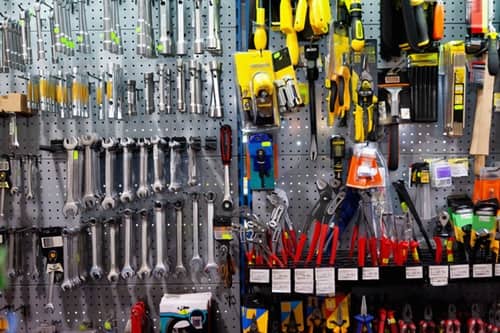
A Business Built on Daily Utility
The biggest strength of the hardware business is necessity. Hardware products are required continuously for construction, repairs, plumbing, carpentry, painting, and electrical work.
Several factors are driving market growth:
- Rapid urbanisation
- Growth of real estate projects
- Increasing home renovation spending
- Expansion of infrastructure development
- Rising middle-class housing demand
- Growth of small contractors and repair services
Unlike many retail categories, hardware demand remains relatively practical and stable.
Types of Hardware Shop Businesses
1. General Hardware Store
Selling tools, fasteners, locks, pipes, paints, and household repair items.
2. Construction Hardware Shop
Focused on cement tools, steel fittings, industrial products, and building materials.
3. Electrical Hardware Store
Switches, wires, lighting products, and electrical accessories.
4. Plumbing Hardware Shop
Pipes, fittings, bathroom accessories, taps, and water systems.
5. Industrial Hardware Supply
Supplying factories, workshops, and contractors in bulk.
6. Specialized Tool Shops
Power tools, machinery tools, and workshop equipment.
Investment Required: Moderate but Inventory-Driven
Hardware businesses mainly require investment in stock and shop setup.
A small neighbourhood hardware store may require ₹5–15 lakh including:
- Shop rent or setup
- Initial inventory
- Storage racks
- Billing systems
- Supplier payments
A medium-sized hardware store with larger inventory and multiple product categories may require ₹20–75 lakh or more.
Inventory variety plays a huge role in customer retention because buyers prefer shops where they can find everything in one visit.
Revenue and Profit Potential
Hardware shops can become highly profitable because products are needed repeatedly across construction and repair industries.
Revenue comes from:
- Retail walk-in customers
- Contractor supply
- Bulk construction orders
- Plumbing and electrical worker purchases
- Institutional and industrial supply
For example:
- Small items like screws, adhesives, and fittings often carry surprisingly strong margins.
- Power tools and premium fittings generate higher-value sales.
- Contractor relationships create regular recurring business.
A well-located medium-scale hardware shop can generate substantial monthly revenue. Net profit margins generally range between 10–25% depending on product category, inventory turnover, and supplier pricing.
Businesses supplying contractors and builders often achieve especially stable income.
What Makes This Business Work
1. Strong Product Availability
Customers usually want products immediately. Stock availability is critical.
2. Local Reputation and Trust
Contractors and workers often return repeatedly to reliable suppliers.
3. Supplier Relationships
Good wholesale pricing directly affects profitability.
4. Product Knowledge
Customers frequently seek advice on tools, fittings, or repair materials.
5. Strategic Location
Shops near residential areas, markets, or construction zones perform especially well.
Challenges to Prepare For
1. High Inventory Requirement
Hardware businesses often require large stock variety.
2. Credit Sales
Contractors and workers sometimes expect delayed payment terms.
3. Competition From Local Stores
Neighbourhood competition can be strong.
4. Slow-Moving Inventory
Some products may remain unsold for long periods.
5. Price Fluctuation
Steel, metal, and imported hardware prices can change significantly.
Businesses that manage inventory efficiently and build strong local relationships usually survive competition very well.
How to Increase Profitability
1. Build Contractor Relationships
Regular contractor clients create stable recurring sales.
2. Expand Into Modern Home Products
Modular fittings, premium bathroom accessories, and smart hardware products often generate better margins.
3. Add Delivery Service
Quick local delivery improves convenience and customer loyalty.
4. Use WhatsApp Ordering
Many local businesses now place repeat hardware orders digitally.
5. Expand Product Categories Gradually
Successful shops often add paints, sanitary products, electrical items, or construction tools over time.
Hardware Shop vs Other Retail Businesses
Compared to fashion or trend-driven retail, hardware businesses usually experience more stable and practical demand.
Customers buy hardware products out of necessity rather than impulse.
However, hardware businesses also require stronger inventory management and working capital because of large product variety.
The Future of Hardware Business in India
The future looks very strong. India’s construction sector, urban housing demand, and infrastructure projects continue expanding rapidly.
Home renovation culture is also growing as more middle-class families spend money improving kitchens, bathrooms, and interiors.
At the same time, smart home fittings, modern sanitary products, and premium hardware categories are creating new growth opportunities for retailers.
The Verdict: A Stable Retail Business With Long-Term Demand
The hardware shop business is one of India’s most dependable retail opportunities because it is tied directly to construction, repairs, and daily utility needs. It combines recurring demand, local market trust, and scalable expansion potential into one stable business model.
Success in this industry depends heavily on inventory management, supplier relationships, customer trust, and practical service rather than flashy branding or advertising.
In a country where buildings, homes, and businesses are constantly being constructed, repaired, and upgraded, hardware shops will continue remaining an essential part of everyday economic activity.
Frequently Asked Questions (FAQs)
Q1. Which location is best for opening a hardware shop?
A: Areas near residential colonies, construction zones, markets, or developing neighbourhoods usually perform best because customer demand remains steady there.
Q2. Do hardware shops earn more from small items or expensive products?
A: Surprisingly, many small items like screws, adhesives, fittings, and plumbing accessories often provide very strong margins because they sell frequently in large quantities.
Q3. Is hardware business suitable for beginners with no technical background?
A: Yes, but learning product basics is important. Over time, most shop owners naturally gain practical knowledge through customer interaction and supplier guidance.
Q4. Why do contractor relationships matter so much in this business?
A: Contractors, plumbers, carpenters, and electricians become repeat buyers and often generate consistent bulk orders throughout the year.
Q5. Can a hardware shop survive competition from large stores?
A: Yes. Local hardware shops often succeed because customers value nearby availability, quick service, and trusted relationships more than distant large stores.
Q6. What products usually sell fastest in a hardware shop?
A: Daily-use repair products, plumbing fittings, electrical accessories, screws, tapes, adhesives, locks, and construction tools generally move quickly.