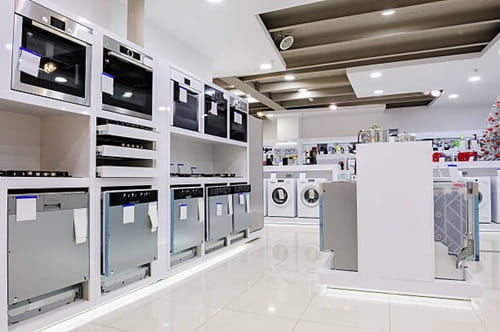
There was a time in India when families purchased electrical appliances only during major life events — a new marriage, shifting into a new house, or festival shopping. Today, the situation is very different. Refrigerators, washing machines, televisions, air conditioners, kitchen appliances, water purifiers, and small electronics have become part of normal middle-class living across cities, towns, and even many rural areas.
At the same time, rising temperatures, improving lifestyles, urban housing growth, and easy EMI financing have pushed appliance sales to new levels. Consumers now upgrade products more frequently instead of using the same appliance for ten or fifteen years. Smart TVs replace old televisions, inverter ACs replace older cooling systems, and modular kitchen appliances are entering more Indian homes every year.
This constant consumer demand has made electrical appliance retail one of the strongest long-term trading businesses in India.
But unlike many online discussions that make retail sound easy, appliance stores operate on trust, product knowledge, after-sales support, and local reputation. Customers often spend large amounts in one purchase, which means buying decisions depend heavily on confidence and service.
So, is electrical appliance store business profitable in India? It can become a very rewarding business for shop owners who build strong customer trust, maintain the right product mix, and adapt to changing consumer trends instead of depending only on walk-in sales.
A Market Connected to Everyday Lifestyle
India’s appliance industry benefits directly from rising living standards and growing urbanisation.
Several factors continue driving demand:
- Expansion of middle-class households
- Growth of apartment living
- Increasing summer temperatures
- Rising disposable income
- Easy consumer financing and EMI culture
- Demand for smart home appliances
Unlike fashion businesses that depend heavily on trends, electrical appliances combine necessity with lifestyle upgrades.
Types of Electrical Appliance Stores
1. Multi-Brand Appliance Store
Selling televisions, refrigerators, ACs, washing machines, and kitchen appliances from multiple brands.
2. Kitchen Appliance Store
Focused on mixers, microwaves, induction cooktops, chimneys, and small appliances.
3. Premium Electronics Showroom
Targeting high-end smart appliances and branded lifestyle electronics.
4. Budget Appliance Retail Shop
Serving price-sensitive local markets with affordable appliance options.
5. Mobile and Small Electronics Combination Stores
Some retailers combine appliances with smartphones and accessories.
Investment Required: Moderate to High
Electrical appliance retail is inventory-heavy, especially for large products.
A small local appliance store may require ₹10–25 lakh including:
- Shop setup
- Initial stock
- Branding and display systems
- Billing software
- Delivery arrangements
A medium-sized showroom in a good commercial area may require ₹30 lakh–₹1 crore or more depending on product range and store size.
Big-ticket products like ACs and refrigerators increase working capital requirements significantly.
Revenue and Profit Potential
Appliance stores earn through both product sales and service-related opportunities.
Revenue sources include:
- Direct retail sales
- Seasonal demand spikes
- Installation charges
- Extended warranty plans
- Accessory sales
- Exchange offers and upgrades
For example:
- Air conditioners and coolers sell heavily during summer.
- Kitchen appliances perform strongly during festive seasons.
- Premium smart TVs and inverter appliances generate higher billing value.
Margins on large appliances may sometimes look modest, but volume sales, financing partnerships, and accessory upselling improve profitability substantially.
A well-located store with strong customer flow can generate impressive monthly turnover, especially during festival seasons and summer months.
What Makes This Business Successful
1. Trust and Service
Customers often spend significant amounts on appliances. Good behaviour, honest advice, and reliable after-sales support matter enormously.
2. Product Availability
Popular models should remain in stock, especially during seasonal demand.
3. Brand Partnerships
Authorized dealership relationships improve credibility and pricing support.
4. Delivery and Installation Support
Fast delivery and smooth installation create repeat customers.
5. Local Reputation
Word-of-mouth still plays a major role in appliance retail, especially in smaller cities.
Challenges to Prepare For
1. Online Competition
E-commerce platforms frequently offer aggressive discounts during sales.
2. High Inventory Costs
Large appliances require significant investment and storage space.
3. Seasonal Sales Dependency
Certain categories perform strongly only during specific months.
4. Product Damage Risk
Transport and storage require careful handling.
5. Warranty and Service Complaints
Customers often return to retailers first when problems arise.
Retailers who focus only on pricing usually struggle. Those who focus on service and local trust often survive even against larger online platforms.
How to Increase Profitability
1. Focus on Customer Relationships
Repeat buyers and family referrals are extremely valuable in this business.
2. Offer Financing Assistance
EMI options help close larger purchases more easily.
3. Add Installation and Service Support
Customers prefer stores that solve problems quickly after purchase.
4. Expand Into Smart Appliances
Smart TVs, inverter ACs, and energy-efficient products are growing rapidly.
5. Use WhatsApp and Social Media Marketing
Local digital promotion helps attract nearby customers effectively.
Electrical Appliance Store vs Mobile Shop Business
Mobile shops often depend heavily on fast-moving technology trends and quick upgrades. Appliance stores, on the other hand, usually handle larger-ticket purchases with longer decision-making cycles.
This makes appliance retail slower-paced but often more stable and relationship-driven.
Customers also tend to trust local appliance dealers more for delivery, setup, and future service support.
The Future of Appliance Retail in India
The future remains very strong. India’s urban housing growth, rising temperatures, smart home trends, and increasing consumer financing continue pushing appliance demand upward.
Smaller towns are also becoming important growth markets as branded appliances become more accessible through online awareness and EMI culture.
Energy-efficient products and connected smart appliances are likely to create additional opportunities for retailers over the next decade.
The Verdict: A Relationship-Driven Retail Business With Long-Term Demand
Electrical appliance retail is not a “quick-profit” business where products automatically sell themselves. It rewards patience, customer trust, good inventory planning, and local reputation built over time.
Shop owners who understand seasonal demand, provide reliable service, and maintain strong customer relationships often build businesses that remain stable for many years.
In a country where millions of households continue upgrading their lifestyle every year, appliance retailers still hold an important place between major brands and everyday consumers.
Frequently Asked Questions (FAQs)
Q1. Do appliance stores make more profit during festivals?
A: Yes. Diwali, summer seasons, wedding periods, and festive offers usually bring significantly higher customer traffic and appliance sales.
Q2. Is it necessary to become an authorized dealer for brands?
A: Not always, but authorized dealership improves trust, warranty support, and access to official pricing schemes.
Q3. Which appliances usually sell the fastest in India?
A: Air conditioners, refrigerators, washing machines, mixers, water purifiers, and smart TVs are among the fastest-moving categories.
Q4. Can small-town appliance stores compete with online shopping?
A: Yes. Many customers still prefer local stores because of immediate support, installation help, easy communication, and trust.
Q5. What is the biggest mistake new appliance shop owners make?
A: Overstocking slow-moving products and ignoring after-sales service are common mistakes.
Q6. Is appliance retail suitable for long-term business stability?
A: Generally yes. Household appliance demand keeps growing with urbanisation, lifestyle upgrades, and rising consumer spending.