Few industries in India combine craftsmanship, fashion, exports, and manufacturing quite like the leather goods industry. From wallets and belts to handbags, shoes, jackets, office bags, and luxury accessories, leather products have remained symbols of durability, style, and status for decades. But over the last several years, the business has evolved far beyond traditional local workshops.
Today, Indian leather goods are sold not only in domestic markets but also across Europe, the Middle East, and North America. Fashion brands, e-commerce platforms, and social media-driven lifestyle culture have created enormous demand for both premium and affordable leather products.
At the same time, consumers increasingly look for products that feel stylish, long-lasting, and professional — especially in categories like bags, wallets, and accessories. This has quietly turned leather goods manufacturing into one of India’s strongest fashion-oriented manufacturing sectors.
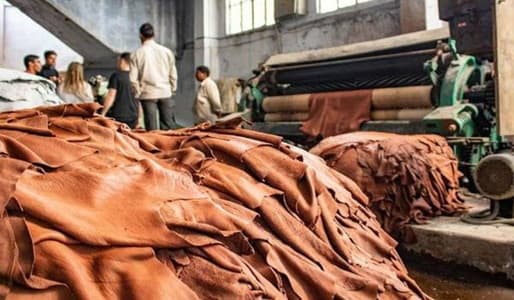
A Market Built on Fashion and Utility
Leather products are unique because they combine functionality with fashion appeal. Customers often view them as long-term lifestyle products rather than simple accessories.
Several factors are driving market growth:
- Rising fashion awareness
- Growth of premium accessory markets
- Expansion of e-commerce
- Increasing office and travel culture
- Export demand for Indian leather products
- Social media-driven lifestyle branding
Unlike fast-moving low-cost accessories, quality leather products often command premium pricing and strong customer loyalty.
Types of Leather Goods Manufacturing Businesses
1. Wallet and Belt Manufacturing
One of the most common and scalable leather product categories.
2. Handbags and Fashion Accessories
Popular in both domestic and export markets.
3. Leather Footwear Manufacturing
Large-scale industry with strong Indian demand.
4. Travel Bags and Office Bags
High-demand category among professionals and students.
5. Luxury Leather Goods
Premium handcrafted products targeting high-income customers.
6. Artificial and Vegan Leather Products
Growing category because of changing consumer preferences and affordability.
Investment Required: Flexible From Small Workshops to Industrial Units
One of the strengths of this business is scalability.
A small leather goods workshop may require ₹2–10 lakh including:
- Cutting tools and stitching machines
- Raw leather material
- Finishing equipment
- Packaging setup
- Labour and workspace
A medium-scale manufacturing unit with automated cutting and production systems may require ₹20 lakh–₹1 crore or more depending on production capacity.
Export-focused factories require significantly larger investment.
Raw Materials Used
Important raw materials include:
- Genuine leather
- Synthetic leather
- Fabric lining
- Metal fittings and zippers
- Threads and adhesives
- Packaging materials
Material quality directly affects durability, appearance, and brand positioning.
Revenue and Profit Potential
Leather goods manufacturing can become highly profitable because finished products often sell at significantly higher prices than raw material costs.
For example:
- A wallet manufactured at moderate production cost may retail for several times its manufacturing value.
- Premium handcrafted leather products command especially high margins.
- Export orders create large-scale recurring revenue opportunities.
A medium-scale leather goods business with strong distribution can generate substantial monthly revenue. Net profit margins generally range between 20–40% depending on craftsmanship quality, branding, and production efficiency.
Businesses selling directly through online platforms usually retain better margins than wholesale-only manufacturers.
What Makes This Business Work
1. Product Quality
Customers buying leather products expect durability, strong stitching, and premium finishing.
2. Modern Design Trends
Stylish and functional designs help brands stand out in competitive markets.
3. Strong Branding
Leather products perform strongly when positioned as lifestyle or premium fashion accessories.
4. Skilled Labour
Craftsmanship quality plays a major role in customer satisfaction.
5. Export and Online Market Access
International buyers and e-commerce platforms create major growth opportunities.
Challenges to Prepare For
1. Raw Material Cost Fluctuation
Leather prices can vary depending on quality and supply conditions.
2. Skilled Labour Dependency
Good craftsmanship requires trained workers.
3. Competition
Local manufacturers and imported products create intense market competition.
4. Fashion Trend Changes
Design preferences evolve continuously.
5. Environmental and Regulatory Concerns
Leather processing industries often face stricter environmental regulations.
Businesses that focus on quality and branding usually survive long-term competition more successfully.
How to Increase Profitability
1. Build Direct-to-Consumer Brands
Selling through websites and social media improves margins significantly.
2. Focus on Premium Segments
Luxury and handcrafted products often generate better profits.
3. Use Instagram and Influencer Marketing
Fashion-focused marketing strongly affects leather accessory sales.
4. Expand Product Categories
Many businesses later add shoes, backpacks, laptop bags, and travel accessories.
5. Explore Export Opportunities
Indian leather products have strong international market demand.
Leather Goods Business vs Other Fashion Manufacturing Businesses
Compared to low-cost fashion accessories, leather products generally provide higher perceived value and better long-term pricing power.
However, product quality expectations are also much higher.
Brand image and craftsmanship matter far more than mass production alone.
The Future of Leather Goods Manufacturing in India
The future remains strong, especially for premium and branded products. India continues to be an important global leather manufacturing hub with strong domestic and export potential.
At the same time, vegan leather and sustainable fashion categories are opening new opportunities for modern brands.
Online shopping and lifestyle branding are also helping smaller manufacturers reach customers directly without depending entirely on physical retail stores.
The Verdict
Leather goods manufacturing is one of India’s most scalable and profitable fashion-oriented manufacturing industries today. It combines craftsmanship, branding, exports, and lifestyle fashion into one growing market.
Success in this business depends heavily on product quality, design innovation, branding, and production consistency rather than simply manufacturing large quantities.
In a country where consumers increasingly value stylish and durable lifestyle products, businesses that can combine fashion with functionality are likely to continue finding strong opportunities for many years ahead.
Frequently Asked Questions (FAQs)
Q1. How much investment is needed to start a leather goods manufacturing business in India?
A: A small workshop may require ₹2–10 lakh, while medium-scale units may require ₹20 lakh–₹1 crore or more.
Q2. Is leather goods manufacturing profitable in India?
A: Yes. Premium pricing, export demand, and strong lifestyle branding make it highly profitable when quality is maintained.
Q3. Which leather products are most profitable?
A: Wallets, handbags, office bags, belts, and premium handcrafted accessories are among the most profitable categories.
Q4. Can leather goods business start from home?
A: Yes. Many small leather accessory brands begin from home workshops before scaling operations.
Q5. What is the biggest challenge in this business?
A: Maintaining quality craftsmanship, managing raw material costs, and competing with established brands are major challenges.
Q6. Is demand for leather goods increasing in India?
A: Absolutely. Fashion awareness, online shopping growth, and lifestyle-focused consumer spending continue driving strong demand.