For generations, farming in India has depended on one thing above all else: soil. But a quiet agricultural revolution is changing that idea entirely. Across rooftops in cities, inside climate-controlled containers, and in modern greenhouses on the outskirts of urban centres, vegetables are now being grown without soil at all. This method is called hydroponics farming — and it is rapidly becoming one of the most talked-about agricultural business opportunities in India.
Hydroponics is a system where plants grow in nutrient-rich water instead of traditional soil. The method uses controlled environments, precise nutrition, and water-efficient systems to produce crops faster and often with higher quality than conventional farming.
What once looked futuristic is now becoming commercially practical. Rising urban demand for pesticide-free vegetables, shrinking farmland, water scarcity concerns, and the growth of premium food markets have created strong momentum for hydroponic farming businesses across India.
So, is hydroponics farming business profitable in India? Yes — but profitability depends heavily on scale, crop selection, technology management, and market access. It is not a low-effort business, but for disciplined operators targeting premium markets, the returns can be impressive.
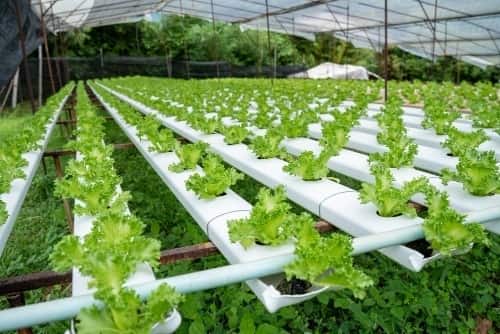
A Market Built on Health and Urban Demand
India’s food consumption patterns are changing rapidly. Urban consumers are increasingly willing to pay more for fresh, clean, residue-free vegetables and herbs. Restaurants, luxury hotels, supermarkets, and health-conscious families now actively seek premium-quality produce with consistent freshness.
Several factors are driving hydroponics growth:
- Rising demand for pesticide-free vegetables
- Water scarcity in traditional farming
- Growth of premium grocery stores
- Expansion of urban farming
- Increased awareness about healthy eating
- Demand from restaurants and hotels
Hydroponic farms are especially attractive near major cities because they reduce transportation time and deliver fresher produce directly to consumers.
Investment Required: Higher Than Traditional Farming
One of the realities of hydroponics farming is that it requires higher upfront investment than regular agriculture.
A small experimental or rooftop hydroponic setup may begin with ₹1–3 lakh depending on system type and crop selection.
A commercial greenhouse-based hydroponic farm generally requires ₹10–40 lakh or more. This investment usually includes:
- Greenhouse or polyhouse construction
- Hydroponic channels or towers
- Water pumps and filtration systems
- Nutrient solutions
- Climate control equipment
- Seedlings and growing media
- Electricity backup systems
Large fully automated farms can cost significantly more, especially when advanced climate technology and vertical farming systems are involved.
Revenue and Profit Potential
Hydroponics farming becomes profitable mainly because of premium pricing and higher productivity per square foot.
Popular hydroponic crops include:
- Lettuce
- Spinach
- Kale
- Basil
- Mint
- Cherry tomatoes
- Strawberries
- Exotic herbs
These products often sell at much higher prices than conventionally grown vegetables, especially in urban supermarkets and fine-dining supply chains.
For example:
- Hydroponic lettuce may retail at several times the price of normal leafy vegetables.
- Exotic herbs supplied to restaurants carry strong margins.
- Premium pesticide-free branding increases customer willingness to pay.
A well-managed medium-scale hydroponic farm supplying urban buyers can generate several lakhs in monthly revenue. Net profit margins generally range between 25–40% once operations stabilize and market linkages are established.
However, profitability depends heavily on maintaining production consistency and controlling operational costs.
What Makes This Business Work
1. Premium Market Targeting
Hydroponic farming works best when selling to customers who value freshness, quality, and chemical-free produce rather than competing in ordinary wholesale vegetable markets.
2. Water Efficiency
Hydroponics uses significantly less water compared to traditional farming, making it highly attractive in water-stressed regions.
3. Controlled Environment Farming
Temperature, humidity, nutrients, and light are carefully managed, leading to faster crop growth and reduced weather-related risks.
4. Year-Round Production
Unlike seasonal agriculture, hydroponic systems can often produce crops continuously throughout the year.
5. Direct-to-Consumer Sales
Many hydroponic farms increase profits by supplying directly to homes, restaurants, cafés, and supermarkets rather than depending entirely on mandis.
Challenges to Prepare For
1. High Initial Investment
The biggest barrier is setup cost. Greenhouses, pumps, climate systems, and automation equipment require significant capital.
2. Technical Knowledge
Hydroponics is more technology-driven than traditional farming. Nutrient balance, pH levels, and water circulation require careful monitoring.
3. Electricity Dependency
Power cuts can disrupt water circulation and damage crops quickly if backup systems are not available.
4. Market Awareness
Many consumers still do not fully understand hydroponic produce, making education and branding important.
5. Disease and System Failure Risk
If water systems fail or diseases spread through nutrient channels, losses can happen rapidly.
Businesses that invest in proper training and operational discipline usually perform much better long-term.
How to Increase Profitability
1. Focus on High-Value Crops
Exotic lettuce, herbs, and premium greens usually provide stronger margins than ordinary vegetables.
2. Build Restaurant Partnerships
Hotels, cafés, and premium restaurants prefer consistent quality and fresh daily supply.
3. Create Subscription Models
Weekly vegetable subscription boxes create stable recurring revenue.
4. Use Social Media Branding
Hydroponic farming performs extremely well on Instagram and health-focused digital marketing.
5. Start Small and Expand Gradually
Many successful operators begin with pilot farms before scaling into larger commercial units.
Hydroponics vs Traditional Farming
Traditional farming requires larger land areas and depends heavily on weather conditions. Hydroponics, on the other hand, produces more crops in smaller spaces with controlled conditions.
However, hydroponics also requires much higher technical management and capital investment. It is closer to a modern agri-tech business than conventional farming.
The Future of Hydroponics Farming in India
The future looks promising, especially around metro cities like Bengaluru, Mumbai, Delhi, Hyderabad, and Pune where demand for premium produce continues rising.
As urban populations grow and consumers become more health-conscious, hydroponics is expected to expand steadily in India’s premium agriculture sector.
Government interest in sustainable agriculture and water-efficient farming may also support future growth.
The Verdict: A Modern Farming Business With Premium Potential
Hydroponics farming is not traditional agriculture — it is a technology-driven food production business. It requires higher investment, better technical understanding, and disciplined management, but it also offers access to premium markets and strong long-term growth potential.
Entrepreneurs who focus on quality production, efficient systems, and direct urban sales can build highly profitable hydroponic businesses in India’s evolving food economy.
In a country facing rising urban demand and shrinking agricultural resources, farming without soil may no longer be unusual — it may simply be the future.
Frequently Asked Questions (FAQs)
Q1. How much investment is needed to start a hydroponics farming business in India?
A: A small hydroponic setup can begin with ₹1–3 lakh, while commercial greenhouse farms may require ₹10–40 lakh or more depending on technology and production scale.
Q2. Which crops are most profitable in hydroponics farming?
A: Lettuce, basil, kale, spinach, cherry tomatoes, strawberries, and exotic herbs are among the most profitable hydroponic crops because they target premium markets.
Q3. Is hydroponics farming suitable for beginners?
A: Yes, but beginners should start on a smaller scale first because hydroponics requires technical understanding of nutrients, water systems, and climate control.
Q4. Does hydroponics farming require less water than traditional farming?
A: Yes. Hydroponics uses significantly less water compared to soil-based farming because water is recycled within the system.
Q5. Can hydroponic vegetables be sold at higher prices?
A: Absolutely. Hydroponic produce is often marketed as fresh, pesticide-free, and premium quality, allowing farmers to charge higher prices.
Q6. Is hydroponics farming profitable in small spaces?
A: Yes. One of the biggest advantages of hydroponics is high production in limited space, making it suitable for rooftops, urban farms, and greenhouse systems.
Q7. What are the biggest risks in hydroponics farming?
A: The main risks include power failures, system malfunction, poor nutrient management, and high initial investment costs.
Q8. Who are the main buyers of hydroponic produce in India?
A: Restaurants, premium supermarkets, hotels, cafés, health-conscious consumers, and online grocery platforms are major buyers.
Q9. Can hydroponics farming be done indoors?
A: Yes. Many modern hydroponic farms operate indoors using artificial lighting and climate-controlled systems.
Q10. Is the future of hydroponics strong in India?
A: Yes. Rising urban demand for high-quality vegetables, water conservation concerns, and growth in premium food markets are expected to support long-term industry growth.