India’s shopping habits have changed dramatically over the last two decades. Earlier, most families depended mainly on small kirana shops for daily groceries and household essentials. Today, consumers increasingly prefer organized retail stores where they can buy everything from rice and snacks to cleaning products and personal care items under one roof.
Air-conditioned shopping spaces, fixed pricing, discounts, digital payments, loyalty programmes, and wider product variety have made supermarkets a regular part of urban and semi-urban life. Even smaller cities now have growing demand for organized grocery retail as lifestyles become faster and consumer expectations continue rising.
This transformation has opened a major opportunity for franchise-based supermarket businesses. Instead of building a retail brand completely from scratch, many entrepreneurs now partner with established supermarket chains that already have supplier networks, branding, systems, and customer recognition.
For business owners, the attraction is simple: grocery demand never completely disappears. People may postpone luxury purchases, but food and household shopping continue every month regardless of economic conditions.
That is why supermarket franchise businesses are often seen as one of the more stable retail opportunities in India — especially in areas with growing residential populations and limited organized competition.
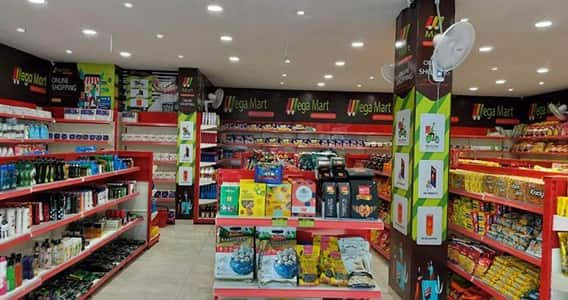
A Business Built on Everyday Consumption
The strongest advantage of supermarket retail is recurring customer demand. Groceries, packaged foods, beverages, cleaning products, toiletries, and household items are all part of routine spending.
Several factors continue driving market growth:
- Rapid urbanisation
- Rising middle-class income
- Growth of apartment culture
- Increasing preference for organized retail
- Expansion of digital payment systems
- Busy lifestyles favouring one-stop shopping
Unlike fashion or luxury retail, supermarkets benefit from regular repeat customers throughout the year.
Types of Supermarket Franchise Businesses
1. Mini Supermarket Franchise
Smaller neighbourhood grocery stores with organized retail setup.
2. Mid-Size Supermarket Franchise
Larger stores offering groceries, personal care, kitchen items, and packaged foods.
3. Premium Grocery Franchise
Focused on imported foods, organic products, and higher-income consumers.
4. Discount Retail Franchise
Value-focused stores targeting price-sensitive buyers.
5. Hybrid Grocery and Department Stores
Combining groceries with daily household and lifestyle products.
Investment Required: Moderate to High
Supermarket franchises require significant investment because inventory, interiors, refrigeration, and retail infrastructure are important.
A small franchise setup may require ₹15–40 lakh including:
- Franchise fees
- Store interiors
- Shelving and counters
- Refrigeration systems
- Initial inventory
- Billing software
A larger supermarket franchise in a prime urban area may require ₹50 lakh–₹2 crore or more depending on size and brand positioning.
Working capital management becomes extremely important in this business.
Revenue and Profit Potential
Supermarket businesses usually operate on high-volume sales rather than extremely high margins per product.
Revenue comes from:
- Grocery sales
- Packaged foods
- FMCG products
- Household essentials
- Personal care items
- Seasonal and festive sales
For example:
- Daily necessities generate regular customer traffic.
- Snacks, beverages, and branded products often move quickly.
- Private-label products may provide better profit margins.
A well-located supermarket franchise with strong footfall can generate impressive monthly turnover. Net profit margins generally range between 8–20% depending on inventory management, operational efficiency, rent costs, and franchise terms.
Stores located near residential colonies and apartment areas often perform especially well.
What Makes This Business Successful
1. Location Selection
A good residential catchment area is often more important than store size itself.
2. Product Availability
Customers expect supermarkets to remain fully stocked with daily essentials.
3. Competitive Pricing
Price sensitivity remains very high in Indian grocery retail.
4. Clean Shopping Experience
Organized shelves, hygiene, and easy navigation improve customer loyalty.
5. Customer Retention
Loyalty programmes and good service help bring repeat footfall consistently.
Challenges to Prepare For
1. Thin Margins on Many Products
Grocery retail often depends heavily on volume sales.
2. Inventory Management Pressure
Expired products and slow-moving stock reduce profitability.
3. Competition
Kirana stores, local supermarkets, and online grocery apps all compete aggressively.
4. High Operational Costs
Rent, electricity, staff salaries, and refrigeration expenses can become significant.
5. Seasonal Cash Flow Variations
Festive periods may bring high sales while slower months require tighter cost control.
Retailers who manage wastage carefully and maintain strong customer relationships usually perform much better long term.
How to Increase Profitability
1. Focus on Local Demand
Understanding neighbourhood buying habits improves inventory planning.
2. Add Home Delivery Services
Customers increasingly expect convenience-based shopping.
3. Introduce Premium Product Sections
Organic foods, imported snacks, and specialty items often provide better margins.
4. Use Digital Marketing Locally
WhatsApp offers and nearby promotions help drive repeat visits.
5. Maintain Fast Billing and Good Service
Convenience plays a huge role in customer retention.
Supermarket Franchise vs Independent Grocery Store
Independent stores offer more pricing flexibility and lower franchise obligations. However, supermarket franchises benefit from established branding, supplier support, operational systems, and marketing assistance.
For beginners without retail experience, franchise support can reduce many early operational challenges.
However, franchise agreements may also reduce flexibility in pricing and product selection.
The Future of Supermarket Retail in India
The future remains very strong. India’s organized retail market continues expanding rapidly as consumer preferences shift toward convenience, hygiene, and structured shopping experiences.
Smaller cities and semi-urban areas are becoming especially important growth markets for supermarket chains.
At the same time, hybrid retail models combining physical stores with online delivery are likely to shape the next phase of grocery retail growth.
The Verdict: A Stable Retail Opportunity Driven by Daily Demand
Supermarket franchise businesses are not overnight profit machines, but they can become highly stable and rewarding when managed efficiently. Grocery retail benefits from something many industries do not have — consistent everyday demand.
Business owners who choose the right location, control operational costs, maintain inventory discipline, and build customer trust often create businesses that remain sustainable for many years.
In a country where millions of families purchase groceries and household essentials every single week, organized supermarket retail is likely to remain one of India’s strongest long-term consumer businesses.
Frequently Asked Questions (FAQs)
Q1. Does supermarket business work better in cities or smaller towns?
A: Both can work well, but growing semi-urban and Tier-2 cities often provide strong opportunities because organized retail competition may still be lower there.
Q2. Why do some supermarkets fail even with good customer traffic?
A: Poor inventory management, excessive rent costs, wastage, and weak cash-flow planning are common reasons.
Q3. Is franchise support really useful for beginners?
A: Yes. Many franchise brands help with store setup, supplier networks, software systems, and operational training.
Q4. Which products usually bring repeat customers fastest?
A: Daily groceries, dairy products, snacks, beverages, personal care items, and cleaning essentials usually drive regular footfall.
Q5. Can supermarkets compete with online grocery apps?
A: Yes. Many customers still prefer immediate purchases, physical product checking, and local convenience, especially for daily needs.
Q6. What matters more in this business — margins or customer volume?
A: Customer volume usually matters more because grocery retail often works on relatively smaller margins across large sales turnover.