Every year in India, enormous quantities of fruits, vegetables, dairy products, seafood, and agricultural produce spoil before they ever reach consumers. Farmers often harvest more than markets can immediately absorb, transport delays damage perishable goods, and temperature-sensitive products lose quality rapidly in extreme heat. In a country where agriculture feeds over a billion people, poor storage has historically caused massive financial losses across the supply chain.
This is precisely why cold storage has become one of the most important infrastructure businesses in modern India.
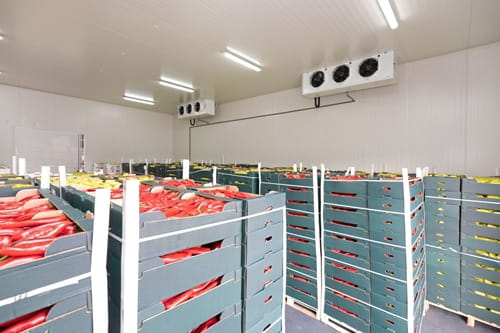
Cold storage facilities are no longer limited to potatoes and apples. Today, they support pharmaceuticals, frozen foods, meat processing, dairy products, seafood exports, e-commerce grocery platforms, and even quick-commerce delivery networks. As food consumption patterns evolve and supply chains become more organized, temperature-controlled storage is turning into a critical industry with strong long-term demand.
What once looked like a traditional agricultural service is now a technology-driven logistics business with industrial-scale potential.
So, is cold storage business profitable in India? Yes — highly profitable for operators who choose the right location, manage electricity costs efficiently, and secure strong supply contracts with farmers, wholesalers, and food businesses.
A Market Built on India’s Agricultural Economy
India is one of the world’s largest producers of fruits, vegetables, milk, seafood, and agricultural commodities. Yet a significant percentage of produce still gets wasted because of inadequate cold chain infrastructure.
Several factors are driving rapid growth in cold storage demand:
- Rising food consumption
- Growth of processed food industry
- Expansion of supermarkets and grocery chains
- Increasing pharmaceutical storage needs
- Growth of frozen food market
- Expansion of online grocery delivery services
- Government focus on reducing food wastage
Cold storage has become essential not just for agriculture but for the entire modern food supply chain.
Types of Cold Storage Businesses
Agricultural Cold Storage
Used mainly for potatoes, onions, apples, fruits, and vegetables.
Multi-Commodity Cold Storage
Stores different food products with temperature-controlled sections.
Frozen Storage
Used for meat, seafood, frozen foods, and ice cream products.
Pharmaceutical Cold Storage
Temperature-sensitive medicine and vaccine storage.
Controlled Atmosphere Storage
Advanced systems used for premium fruits and export-quality produce.
Investment Required: Capital Intensive but Scalable
Cold storage is not a low-investment business. It requires significant infrastructure and technical setup.
A small cold storage facility may require ₹50 lakh–2 crore depending on storage capacity, insulation systems, and refrigeration technology.
A medium-to-large industrial cold storage unit can require ₹5–20 crore or more including:
- Land and construction
- Refrigeration systems
- Insulated panels
- Backup power systems
- Warehouse infrastructure
- Loading and unloading equipment
- Temperature monitoring systems
Land availability and electricity infrastructure heavily affect project cost.
Revenue and Profit Potential
Cold storage businesses earn primarily through storage rental charges and logistics services.
Revenue sources include:
- Monthly storage fees
- Seasonal agricultural storage
- Food company contracts
- Pharmaceutical storage agreements
- Transportation and cold chain logistics
- Ripening chamber services
For example:
- Potato cold storages often operate seasonally but at large scale.
- Multi-commodity facilities earn year-round from different industries.
- Pharmaceutical cold storage generally commands premium pricing.
A well-located cold storage facility with strong occupancy can generate substantial annual revenue. Net profit margins generally range between 15–30% depending on utilization rates, electricity costs, and financing structure.
Large facilities with long-term corporate contracts usually achieve more stable profitability.
What Makes This Business Work
Strategic Location
Cold storage units perform best near farming regions, wholesale mandis, ports, food processing zones, or major consumption centres.
High Occupancy Rates
Profitability depends heavily on maintaining strong storage utilization throughout the year.
Efficient Energy Management
Electricity is one of the largest operating expenses. Energy-efficient systems directly improve margins.
Reliable Temperature Control
Consistent cooling quality protects customer inventory and builds trust.
Long-Term Contracts
Partnerships with food companies, exporters, supermarkets, and farmers create predictable revenue.
Challenges to Prepare For
High Initial Investment
Infrastructure, refrigeration equipment, and power systems require large capital investment.
Electricity Costs
Cold storage operations consume massive amounts of electricity.
Seasonal Dependency
Some agricultural products generate demand only during specific seasons.
Maintenance Requirements
Refrigeration systems require regular servicing and technical expertise.
Financing Pressure
Many projects depend heavily on bank loans, increasing repayment pressure during slow occupancy periods.
Businesses that maintain operational efficiency and stable client networks generally perform far better over the long term.
How to Increase Profitability
Focus on Multi-Commodity Storage
Handling multiple products reduces dependence on one crop or industry.
Build Direct Farmer Networks
Direct relationships improve storage utilization and long-term trust.
Add Logistics Services
Transportation and cold chain delivery create additional revenue streams.
Use Energy-Efficient Technology
Modern refrigeration systems reduce long-term operational costs significantly.
Target High-Value Sectors
Pharmaceuticals, frozen foods, and premium produce often generate stronger margins.
Government Support and Subsidies
The Indian government actively promotes cold chain infrastructure because it helps reduce food wastage and supports agricultural income.
Support may include:
- Subsidy schemes
- Agricultural infrastructure funding
- NABARD financing
- Cold chain development programmes
Many projects also qualify for MSME and food processing sector incentives.
Cold Storage vs Traditional Warehousing
Traditional warehouses mainly store dry goods with relatively low operational costs. Cold storage, on the other hand, requires advanced temperature management, insulation, and continuous energy supply.
However, cold storage also commands significantly higher pricing because of its specialized infrastructure and growing necessity.
The Future of Cold Storage Business in India
The future looks extremely strong. India’s food supply chain is modernizing rapidly, while online grocery delivery and frozen food consumption continue expanding.
Pharmaceutical cold chain demand is also increasing because of vaccines, biotechnology products, and temperature-sensitive medicines.
As agricultural exports and organized retail grow further, India’s need for modern cold storage infrastructure is expected to rise dramatically over the next decade.
The Verdict: An Infrastructure Business With Long-Term Demand
Cold storage is not a quick-profit business — it is a long-term infrastructure investment tied deeply to agriculture, food logistics, and industrial supply chains. It requires significant capital, operational discipline, and energy management expertise, but it also benefits from massive structural demand across multiple sectors.
Success in this industry depends on occupancy, efficiency, and strategic positioning rather than flashy branding or consumer marketing.
In a country trying to reduce food waste while feeding one of the world’s largest populations, businesses that can preserve freshness efficiently will remain critically important for decades to come.
Frequently Asked Questions (FAQs)
Q1. How much investment is needed to start a cold storage business in India?
A small facility may require ₹50 lakh–2 crore, while larger industrial units can require ₹5 crore or more.
Q2. Is cold storage business profitable in India?
Yes. Strong demand from agriculture, food processing, pharmaceuticals, and retail sectors makes it potentially highly profitable.
Q3. What products are stored in cold storage facilities?
Fruits, vegetables, dairy products, meat, seafood, frozen foods, medicines, and agricultural produce are commonly stored.
Q4. What is the biggest expense in cold storage business?
Electricity and refrigeration system maintenance are usually the largest operating costs.
Q5. Does the government support cold storage businesses?
Yes. Various subsidy schemes and financing programmes support cold chain infrastructure development.
Q6. Is cold storage demand increasing in India?
Absolutely. Food delivery growth, organized retail expansion, agricultural modernization, and pharmaceutical demand are driving rapid growth.