A generation ago, many people in India treated spectacles as something they needed only after reaching old age. Today, even school children, college students, office workers, gamers, and smartphone users regularly visit eye clinics and optical stores. Long screen time, digital lifestyles, online classes, air-conditioned work environments, and increasing awareness about eye health have completely changed the optical industry.
At the same time, spectacles are no longer viewed only as medical products. They have become fashion accessories, style statements, and lifestyle products. Some customers buy frames to look professional, some for comfort during computer work, and others simply to match different outfits and personal styles.
This combination of healthcare necessity and fashion appeal has quietly made optical retail one of the most stable and interesting businesses in India.
Unlike many retail sectors where customer demand changes unpredictably, optical stores benefit from something powerful: people may delay buying clothes or gadgets, but they usually cannot ignore vision problems for very long.
That is why well-managed optical shops often continue generating regular business year after year, especially in growing urban and semi-urban areas.
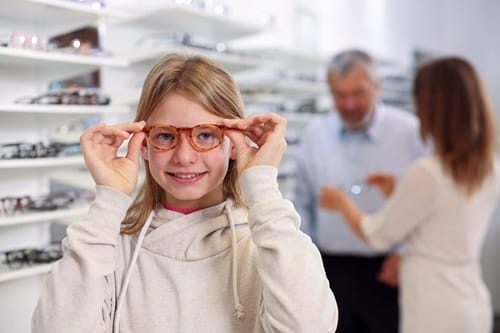
A Business Connected to Health and Lifestyle
India’s optical market has expanded rapidly because both eye-care awareness and screen exposure have increased significantly.
Several factors are driving demand:
- Higher smartphone and laptop usage
- Increasing awareness about eye health
- Rising cases of vision correction needs
- Growth of branded eyewear culture
- Expansion of middle-class spending
- Fashion-focused eyewear trends
Today, customers buy not only prescription glasses but also sunglasses, blue-light glasses, contact lenses, and premium frames.
Types of Optical Shop Businesses
1. Prescription Eyewear Store
Selling spectacles and vision-correction lenses.
2. Fashion Eyewear Store
Focused on stylish frames and branded sunglasses.
3. Optical and Eye Testing Shop
Combining eyewear sales with eye-checkup services.
4. Premium Branded Optical Boutique
Targeting higher-income customers with designer collections.
5. Budget Optical Shop
Serving local markets with affordable frames and lenses.
6. Online and Hybrid Optical Business
Combining physical stores with online ordering systems.
Investment Required: Moderate and Flexible
An optical business does not always require massive investment initially, but product variety and store presentation matter a lot.
A small optical store may require ₹5–15 lakh including:
- Shop interiors
- Display counters
- Initial frame inventory
- Lenses and accessories
- Eye-testing equipment
- Branding and billing systems
A medium-sized branded optical showroom may require ₹20–50 lakh or more depending on location, inventory quality, and machine setup.
Stores offering advanced eye-testing facilities may require additional investment.
Revenue and Profit Potential
Optical shops can become highly profitable because eyewear products often carry strong margins.
Revenue comes from:
- Prescription spectacles
- Contact lenses
- Sunglasses
- Premium branded frames
- Lens upgrades
- Eye-testing services
- Accessories and maintenance products
For example:
- Frames often provide strong markup opportunities.
- Premium anti-glare and blue-light lenses increase billing value.
- Repeat customers regularly return for frame upgrades or replacement glasses.
A well-located optical shop with good customer trust can generate impressive monthly revenue. Net profit margins generally range between 20–40% depending on branding, inventory mix, and customer segment.
Businesses combining eye testing with eyewear sales often perform especially well.
What Makes This Business Successful
1. Customer Trust
People rely heavily on optical shop recommendations for lenses and eye comfort.
2. Product Variety
Customers want options across different styles and budgets.
3. Good Eye Testing Support
Accurate vision testing improves credibility significantly.
4. Fashion Awareness
Modern eyewear trends change regularly, especially among younger buyers.
5. After-Sales Service
Frame adjustment, repairs, and customer support build loyalty.
Challenges to Prepare For
1. Competition From Online Eyewear Brands
Online eyewear companies now offer aggressive pricing and home trials.
2. Inventory Management
Frames and styles can become outdated over time.
3. Technical Knowledge Requirement
Understanding lenses and prescriptions is important.
4. Brand and Pricing Pressure
Customers often compare prices online before buying.
5. Dependence on Location
Footfall matters strongly in optical retail.
Businesses that focus only on selling products often struggle. Those that combine service, trust, and personalized recommendations usually perform much better long term.
How to Increase Profitability
1. Add Computer Vision and Blue-Light Products
Digital eye strain products are growing rapidly.
2. Offer Eye Testing Services
Convenience improves conversion rates significantly.
3. Build Repeat Customer Systems
Reminder messages for eye checkups and lens replacements improve retention.
4. Focus on Youth and Fashion Segments
Stylish eyewear often generates higher margins.
5. Use Instagram and Local Digital Marketing
Eyewear is highly visual and performs well online.
Optical Shop vs General Fashion Retail
Fashion stores depend heavily on changing trends and seasonal shopping. Optical stores combine medical necessity with lifestyle appeal, making demand more stable.
Customers may browse clothing online casually, but many still prefer trying spectacles physically before buying.
This gives local optical retailers an important advantage even in the age of e-commerce.
The Future of Optical Business in India
The future looks extremely promising. India’s screen-heavy lifestyle, urban work culture, and increasing awareness about eye health continue expanding the optical market.
Blue-light protection glasses, smart eyewear, premium sunglasses, and fashion-focused frames are also creating new business opportunities.
At the same time, smaller towns are seeing growing demand for organized and branded optical retail as healthcare awareness improves.
The Verdict: A Healthcare-Linked Retail Business With Long-Term Stability
The optical shop business sits in a unique position between healthcare and fashion retail. It is not purely trend-driven, nor is it dependent only on medical necessity. That balance gives the industry strong long-term stability.
Shop owners who build customer trust, offer accurate service, maintain modern frame collections, and understand changing eyewear trends often create businesses that remain profitable for many years.
In a country where screen usage continues rising across every age group, the need for reliable eye-care and quality eyewear is unlikely to slow down anytime soon.
Frequently Asked Questions (FAQs)
Q1. Why do many optical shops earn well even in smaller towns?
A: Because eye-care demand exists everywhere. Smaller towns often have less organized competition while still having growing demand for spectacles and eye testing.
Q2. Do customers usually spend more on frames or lenses?
A: In many cases, premium lenses generate better profits than frames, especially anti-glare, blue-light, and high-index lens categories.
Q3. Is technical knowledge important before opening an optical shop?
A: Basic understanding of lenses, frame fitting, and prescriptions is very helpful, especially for customer trust and proper recommendations.
Q4. Can optical shops survive against online eyewear companies?
A: Yes. Many customers still prefer physical trials, instant fitting adjustments, and personal guidance before purchasing spectacles.
Q5. What products are becoming more popular recently?
A: Blue-light glasses, lightweight frames, stylish sunglasses, and computer-vision lenses are growing rapidly because of screen-heavy lifestyles.
Q6. Is repeat business common in optical retail?
A: Very common. Customers often return for new frames, updated prescriptions, sunglasses, repairs, or replacement glasses over time.