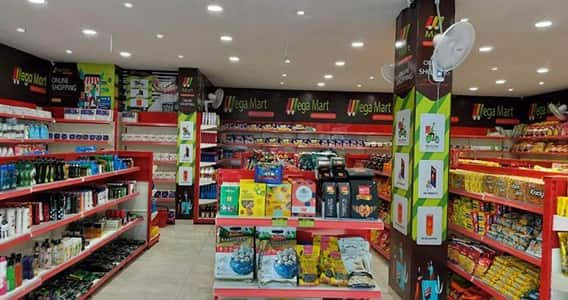
For years in India, buying meat usually meant visiting local butcher markets early in the morning, standing in crowded shops, and hoping the quality was fresh and hygienic. Most customers had very limited options. Packaging was basic, storage conditions were inconsistent, and convenience was almost non-existent.
But consumer behaviour has changed rapidly over the last decade.
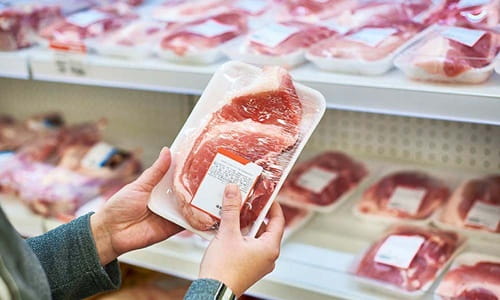
Urban families today increasingly want cleaned, hygienically packed, ready-to-cook meat delivered directly to their homes. Busy lifestyles, rising health awareness, food delivery culture, and smartphone-based ordering have transformed meat purchasing into a modern convenience business.
The growth of online grocery apps and food delivery platforms also changed customer expectations. People now expect fast delivery, proper packaging, freshness guarantees, and digital payment convenience even for products like chicken, fish, mutton, and seafood.
This shift has quietly turned meat delivery into one of India’s fastest-growing food retail segments.
For entrepreneurs, the attraction is obvious: meat is a repeat-consumption product with strong customer retention potential. Unlike trend-based businesses, people buy meat regularly every week or every month.
That is why meat delivery businesses are increasingly being seen as scalable and high-demand opportunities in urban India.
A Market Driven by Convenience and Hygiene
India’s meat consumption market is massive and continues growing steadily, especially in urban and semi-urban areas.
Several factors are driving demand:
- Busy urban lifestyles
- Rising disposable income
- Growth of online food ordering
- Increasing hygiene awareness
- Preference for cleaned and packaged meat
- Expansion of quick-commerce culture
Consumers are now willing to pay extra for convenience, freshness, and trust.
Types of Meat Delivery Businesses
1. Fresh Chicken Delivery
One of the largest and fastest-moving segments.
2. Fish and Seafood Delivery
Popular in coastal cities and health-conscious markets.
3. Mutton and Premium Meat Supply
Higher-value category with strong margins.
4. Frozen Meat Business
Longer shelf-life products with broader distribution flexibility.
5. Subscription-Based Meat Delivery
Weekly or monthly recurring delivery plans for households.
6. Premium Organic or Antibiotic-Free Meat Brands
Growing niche among urban wellness-focused consumers.
Investment Required: Moderate Depending on Scale
A small local meat delivery setup may require ₹3–10 lakh including:
- Refrigeration systems
- Freezers and cold storage
- Packaging setup
- Delivery arrangements
- Licences and hygiene infrastructure
A medium-scale branded meat delivery business with online ordering systems and multiple delivery zones may require ₹15–50 lakh or more.
Businesses with processing units and cold-chain logistics require significantly larger investment.
Revenue and Profit Potential
Meat delivery businesses can generate strong recurring income because customer purchasing frequency is usually high.
Revenue comes from:
- Direct meat sales
- Subscription plans
- Premium cuts and processed products
- Marinated ready-to-cook products
- Restaurant and hotel supply
- Delivery charges
For example:
- Premium hygienic packaging allows higher pricing.
- Subscription customers improve recurring cash flow.
- Value-added products like marinated chicken often generate better margins.
A well-managed urban meat delivery business can generate substantial monthly revenue. Net profit margins generally range between 15–35% depending on sourcing costs, wastage management, and operational efficiency.
Businesses with strong customer trust and repeat orders usually become especially profitable over time.
What Makes This Business Successful
1. Freshness and Hygiene
Customers are extremely sensitive about meat quality and cleanliness.
2. Fast Delivery
Late deliveries reduce customer satisfaction significantly.
3. Reliable Sourcing
Consistent supplier quality directly affects reputation.
4. Cold Chain Management
Proper storage and transportation are critical.
5. Trust and Transparency
Clear pricing and clean packaging build long-term customer loyalty.
Challenges to Prepare For
1. Perishable Inventory Risk
Unsold stock can lead to losses quickly.
2. Cold Storage Costs
Electricity and refrigeration expenses are important operational factors.
3. Delivery Logistics
Maintaining freshness during transport requires careful management.
4. Local Regulations and Licensing
Food safety compliance is essential.
5. Competition
Local butcher shops, supermarkets, and online meat brands all compete aggressively.
Businesses that focus on hygiene and customer trust often outperform competitors even with slightly higher pricing.
How to Increase Profitability
1. Offer Ready-to-Cook Products
Marinated meats and combo packs usually improve margins.
2. Build Subscription Models
Weekly delivery plans create stable recurring revenue.
3. Focus on Premium Packaging
Professional presentation improves trust and repeat orders.
4. Use WhatsApp and App-Based Ordering
Convenient ordering systems increase customer retention.
5. Target Residential Areas
Apartment societies and urban family clusters often become strong customer bases.
Meat Delivery vs Traditional Meat Shops
Traditional butcher shops depend heavily on walk-in customers and local reputation. Meat delivery businesses focus more on convenience, branding, hygiene, and digital ordering systems.
This makes delivery businesses more scalable in urban markets.
However, operational discipline becomes far more important because storage, delivery timing, and packaging directly affect customer experience.
The Future of Meat Delivery Business in India
The future looks extremely promising. India’s online grocery culture, urbanisation, and convenience-focused consumer behaviour continue growing rapidly.
Quick-commerce and same-day delivery expectations are also reshaping food retail across major cities.
At the same time, premium meat categories, organic meat, and processed ready-to-cook products are creating new opportunities beyond traditional fresh meat sales.
The Verdict: A Repeat-Consumption Food Business With Strong Urban Demand
The meat delivery business has evolved from a simple local supply model into a modern convenience-driven food retail industry. It combines recurring customer demand, digital ordering, and premium hygiene expectations into one rapidly growing market.
Business owners who maintain freshness, efficient delivery systems, proper hygiene standards, and trustworthy customer service often build very loyal customer bases over time.
In a country where convenience-based food purchasing is becoming part of everyday urban life, meat delivery businesses are likely to remain one of the strongest opportunities in modern food retail.
Frequently Asked Questions (FAQs)
Q1. Which meat category usually sells the most in delivery businesses?
A: Chicken generally has the highest order volume because it is more affordable and widely consumed regularly.
Q2. Is cold storage absolutely necessary in this business?
A: Yes. Proper refrigeration is critical for maintaining freshness, hygiene, and food safety standards.
Q3. Do customers prefer fresh meat or frozen meat in India?
A: Fresh meat remains more popular in many Indian markets, though frozen and ready-to-cook products are growing rapidly in urban areas.
Q4. Can small local meat delivery businesses compete with big brands?
A: Yes. Many local businesses succeed by offering fresher products, faster delivery, and stronger local customer trust.
Q5. What causes the biggest losses in this business?
A: Poor inventory management and unsold perishable stock are among the biggest risks.
Q6. Is this business suitable for online and app-based growth?
A: Absolutely. Digital ordering and subscription models are becoming major growth drivers in urban meat retail.