For many years, India’s toy market was dominated by imported products filling local shops, roadside stalls, and shopping malls. Parents usually bought whatever was available — plastic cars, dolls, puzzles, battery toys, or cartoon-themed products — without paying much attention to where the toys were actually made.
But the industry has changed dramatically in recent years.
Today, Indian parents are becoming more conscious about toy quality, safety, learning value, and even screen-free childhood activities. At the same time, government support for local manufacturing, rising demand for educational toys, and growing middle-class spending have created fresh momentum for India’s domestic toy industry.
What makes the business especially interesting is that toys are no longer limited to entertainment alone. Many products now focus on creativity, brain development, STEM learning, sensory play, and early childhood education. Parents are increasingly willing to spend more on toys they believe help children learn while having fun.
This transformation has turned toy manufacturing into one of the most exciting emerging consumer product industries in India.
A Market Powered by India’s Young Population
India has one of the world’s largest child populations, which naturally creates enormous long-term demand for toys and children’s products.
Several factors continue driving market growth:
- Rising birth rates and young population
- Increasing disposable income
- Growth of organized retail and e-commerce
- Higher spending on child development
- Demand for educational toys
- Expansion of gifting culture
Unlike many adult-focused industries, toys benefit from emotional purchasing decisions made by parents, relatives, and gift buyers.
Types of Toy Manufacturing Businesses
1. Plastic Toy Manufacturing
Cars, dolls, action figures, and battery-operated toys.
2. Educational and STEM Toys
Puzzle games, learning kits, robotics toys, and activity sets.
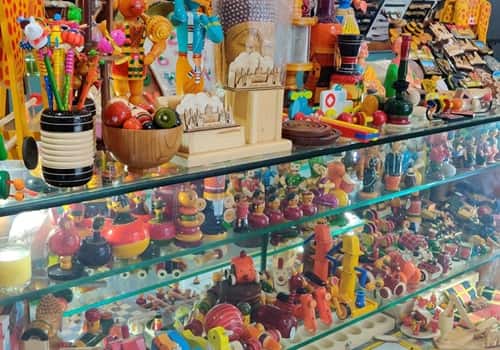
3. Wooden Toy Manufacturing
Eco-friendly and traditional handcrafted toys.
4. Soft Toy Manufacturing
Teddy bears, plush animals, and fabric toys.
5. Electronic and Smart Toys
Interactive toys with sound, lights, and learning features.
6. Eco-Friendly Toy Brands
Sustainable and non-toxic toys gaining popularity among urban parents.
Investment Required: Flexible From Small Workshops to Factories
Toy manufacturing can begin at different scales depending on product type.
A small soft-toy or handmade toy setup may require ₹2–8 lakh including:
- Sewing machines or mould equipment
- Raw materials
- Packaging setup
- Small workshop space
Plastic toy manufacturing units generally require higher investment because of moulding machines and tooling costs.
A medium-scale toy factory may require ₹20 lakh–₹1 crore or more depending on automation and product category.
Educational and premium toy brands may also invest heavily in product design and packaging.
Raw Materials Used
The materials depend on the type of toy being manufactured.
Common materials include:
- Plastic polymers
- Fabric and cotton filling
- Wood
- Rubber
- Paints and colours
- Electronic components
- Packaging materials
Safety and non-toxic material quality are extremely important in this industry.
Revenue and Profit Potential
Toy manufacturing can become highly profitable because well-designed toys often sell at strong retail markups.
Revenue comes from:
- Wholesale distribution
- Retail toy shops
- E-commerce platforms
- School and educational supply
- Gift stores
- Export opportunities
For example:
- Educational toys often command premium pricing.
- Character-based and trending toys generate fast sales cycles.
- Branded toy collections improve long-term profitability significantly.
A medium-scale toy manufacturing business with good distribution can generate substantial monthly revenue. Net profit margins generally range between 15–40% depending on manufacturing efficiency, branding, and product category.
Businesses with unique educational or premium toy positioning often achieve especially strong margins.
What Makes This Business Successful
1. Product Safety
Parents care deeply about child-safe materials and durability.
2. Creativity and Innovation
New and engaging toys attract repeat customers much faster.
3. Attractive Packaging
Toy purchases are highly visual and emotionally driven.
4. Understanding Age Groups
Products must match children’s learning and entertainment needs properly.
5. Strong Distribution
Toy stores, gift shops, schools, and online platforms all play important roles.
Challenges to Prepare For
1. Competition From Imported Products
Cheap imported toys still dominate parts of the market.
2. Trend Dependency
Some toys become popular only temporarily.
3. Safety Regulations
Poor-quality materials can create serious legal and reputation risks.
4. Inventory Management
Unsold seasonal or trend-based toys can become dead stock.
5. Product Development Costs
Designing innovative toys requires creativity and research.
Manufacturers who focus on quality, educational value, and originality usually build stronger long-term brands.
How to Increase Profitability
1. Focus on Educational Toys
Parents increasingly prefer products linked to learning and development.
2. Build Strong Online Presence
Instagram, YouTube, and parenting communities strongly influence toy purchases.
3. Use Indian Cultural Themes
Traditional stories, mythology, and local learning concepts create unique market positioning.
4. Expand Into School Partnerships
Schools and learning centres create recurring demand opportunities.
5. Launch Eco-Friendly Product Lines
Wooden and sustainable toys are becoming increasingly popular among urban consumers.
Toy Manufacturing vs Other Consumer Product Businesses
Toy businesses are more emotionally driven than many consumer industries. Parents often prioritize quality and educational value over the cheapest option alone.
However, trend cycles and seasonal demand can sometimes create inventory pressure.
Brand trust matters heavily because children’s safety is directly involved.
The Future of Toy Manufacturing in India
The future looks extremely promising. India’s government has increasingly encouraged domestic toy production, while consumers are becoming more open to Indian-made brands.
Educational toys, DIY kits, sensory products, and screen-free play categories are likely to grow rapidly over the next decade.
At the same time, e-commerce is helping smaller toy brands reach customers nationwide without depending entirely on large retail chains.
The Verdict: A Creative Consumer Business With Strong Long-Term Potential
Toy manufacturing is gradually evolving into one of India’s most exciting consumer industries because it combines creativity, education, emotional buying behaviour, and rising domestic demand.
Manufacturers who focus on child safety, innovative design, learning value, and strong branding often build businesses capable of scaling steadily over time.
In a country with millions of young families and growing awareness around child development, the demand for quality toys is likely to remain strong for many years ahead.
Frequently Asked Questions (FAQs)
Q1. Which toy category is growing fastest in India?
A: Educational toys, STEM kits, sensory toys, and screen-free learning products are growing especially fast among urban families.
Q2. Is toy manufacturing possible with small investment?
A: Yes. Soft toys, wooden toys, and handmade educational toys can begin with relatively small investment compared to large plastic factories.
Q3. Why are educational toys becoming more popular?
A: Many parents now prefer toys that improve creativity, problem-solving, motor skills, or learning ability instead of only entertainment.
Q4. Do Indian-made toys compete well against imported toys?
A: Increasingly yes. Better design quality, government support, and growing trust in local brands are helping Indian toy manufacturers expand.
Q5. What is the biggest challenge in toy manufacturing?
A: Maintaining product safety, managing trends, and competing with low-cost imports are major challenges.
Q6. Is online selling important for toy businesses today?
A: Very important. Parents frequently discover toy brands through Instagram, YouTube parenting channels, and e-commerce platforms.