A few years ago, cafés in India were mostly about coffee, snacks, and conversations. People visited to relax, meet friends, or spend time casually. But urban youth culture has changed rapidly. Today, customers increasingly look for experiences instead of just food and seating. They want places where they can interact, compete, laugh, socialize, and spend hours without feeling bored.
This shift has created a surprising niche in India’s café industry — board game cafés.
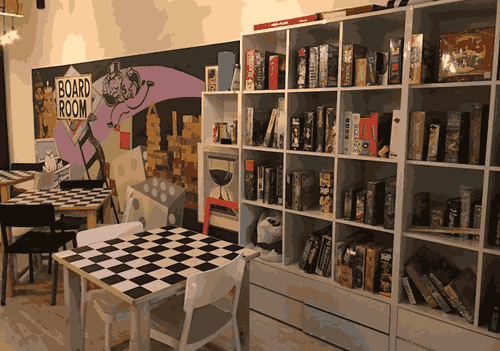
Instead of offering only coffee and music, these cafés combine food with entertainment. Customers gather around games like Catan, Monopoly, Uno, Scrabble, Chess, Mafia, Jenga, strategy games, party games, and modern tabletop experiences. For many young people tired of endless mobile scrolling, board game cafés provide something rare: real-world social interaction.
The concept is still relatively new in India compared to countries like South Korea or parts of Europe, but it is growing steadily in metro cities and student-heavy urban areas.
For entrepreneurs, this creates an interesting opportunity because board game cafés often earn not just from food, but from time-based experiences and repeat group visits.
A Business Built on Experience, Not Just Coffee
Traditional cafés compete heavily on menu pricing and ambience. Board game cafés add another layer — entertainment.
Several factors are driving interest in this business:
- Growth of youth hangout culture
- Rising demand for unique social experiences
- Gaming and nerd culture expansion
- Instagram and social media trends
- Increase in group outing activities
- Demand for screen-free entertainment spaces
Customers often spend longer hours inside board game cafés compared to ordinary cafés, which can increase spending per visit.
Types of Board Game Café Businesses
1. Casual Board Game Café
Focus on simple fun games, snacks, and social atmosphere.
2. Premium Strategy Gaming Café
Targeting serious board game enthusiasts with advanced game collections.
3. Student-Focused Budget Café
Affordable pricing near colleges and coaching hubs.
4. Theme-Based Gaming Café
Fantasy, anime, comic-book, or pop-culture-themed interiors.
5. Hybrid Café and Event Space
Hosting tournaments, quizzes, open mics, and community gatherings.
Investment Required: Moderate but Experience-Focused
A board game café usually requires more investment in ambience and entertainment setup than a normal small café.
A small café setup may require ₹8–20 lakh including:
- Café interiors and seating
- Kitchen setup
- Board game collection
- Branding and décor
- POS systems
- Licences and rent deposits
A larger premium gaming café in a metro city may require ₹30 lakh–₹1 crore or more depending on location, size, and design quality.
The business depends heavily on atmosphere and customer experience.
Revenue and Profit Potential
Board game cafés earn from multiple sources instead of only food sales.
Revenue may include:
- Food and beverages
- Entry fees or hourly gaming charges
- Membership plans
- Tournament hosting
- Private events and parties
- Merchandise and game sales
For example:
- Groups spending several hours often place multiple food orders.
- Weekend events and tournaments increase footfall significantly.
- Premium cafés may charge separate gaming access fees.
A well-located café with strong community engagement can generate good monthly revenue. Net profit margins generally range between 15–30% depending on rent, food margins, and customer retention.
Businesses near colleges, tech parks, or urban youth zones often perform especially well.
What Makes This Business Successful
1. Strong Ambience
People visit for the experience as much as the games themselves.
2. Curated Game Collection
A good mix of beginner-friendly and advanced games is important.
3. Friendly Staff Guidance
Many customers need help understanding game rules.
4. Community Building
Events, tournaments, and repeat gatherings create loyal customers.
5. Food Quality
Even experience-based cafés fail if food and beverages disappoint customers.
Challenges to Prepare For
1. Limited Awareness in Smaller Cities
Many people still do not fully understand the board game café concept.
2. High Rent Pressure
Experience-focused cafés often require good urban locations.
3. Long Customer Occupancy
Groups may occupy tables for hours, reducing fast turnover.
4. Maintenance Costs
Games get damaged, lost, or worn out over time.
5. Competition From Regular Cafés
Customers may still prefer traditional café environments in some areas.
Cafés that create strong communities and regular events usually survive much better than cafés depending only on random walk-ins.
How to Increase Profitability
1. Host Weekly Events
Trivia nights, tournaments, and themed gaming events increase repeat traffic.
2. Build Student Communities
College partnerships and gaming clubs help create loyal customer bases.
3. Use Social Media Aggressively
Board game cafés are highly visual and experience-driven businesses.
4. Sell Membership Plans
Regular players often prefer discounted monthly access.
5. Add Merchandise and Retail Games
Selling popular board games creates additional revenue streams.
Board Game Café vs Traditional Café Business
Traditional cafés usually depend heavily on food sales and customer turnover. Board game cafés focus more on customer engagement and longer stay duration.
This means customer experience and community-building matter far more than in ordinary cafés.
However, occupancy management becomes more important because groups may stay for extended periods.
The Future of Board Game Cafés in India
The future looks promising, especially in metro cities, college hubs, and urban youth markets. As people increasingly search for offline social experiences beyond phones and streaming platforms, experiential cafés are gaining more attention.
Geek culture, anime communities, tabletop gaming, and social entertainment trends are also growing steadily in India.
While the market may remain niche compared to ordinary cafés, well-executed concepts can still build highly loyal customer communities.
The Verdict: A Niche Experience Business With Strong Urban Potential
Board game cafés are not mass-market businesses designed for every location. They work best in areas where young consumers actively seek social experiences, group activities, and interactive entertainment.
Entrepreneurs who create the right atmosphere, build gaming communities, organize events, and maintain strong food quality often turn these cafés into profitable lifestyle businesses rather than just food outlets.
In a world increasingly dominated by screens and digital isolation, places that encourage people to sit together, compete, laugh, and interact face-to-face may continue becoming more valuable than ever.
Frequently Asked Questions (FAQs)
Q1. Do customers actually pay separately for board games in cafés?
A: Yes, many cafés charge hourly gaming fees, entry passes, or membership plans in addition to food and beverage sales.
Q2. Which locations work best for board game cafés?
A: Areas near colleges, tech parks, youth hangout zones, and urban commercial spaces usually perform best.
Q3. Is this business suitable for small towns?
A: It depends on local youth culture and spending habits. Metro cities and student-heavy towns usually adapt faster to the concept.
Q4. What types of games are most popular in Indian board game cafés?
A: Party games, social deduction games, Uno, Codenames, Monopoly, Chess, Mafia, and beginner-friendly strategy games often perform well.
Q5. Why do some board game cafés fail?
A: Poor location choice, weak food quality, lack of community engagement, and customers not understanding the concept are common reasons.
Q6. Can this business work without serving food?
A: Usually food and beverages are important because customers often spend long hours inside the café, making dining part of the overall experience.