A few years ago, starting an online business in India usually meant one difficult thing: inventory. Entrepreneurs had to purchase stock in advance, rent storage space, manage packaging, and worry constantly about unsold products. For many beginners, the financial risk alone stopped them from even trying.
Then came the rise of dropshipping and platforms like Shopify.
Suddenly, people could launch online stores without manufacturing products or holding inventory themselves. A laptop, internet connection, payment gateway, and smart marketing strategy became enough to start selling products online. Social media advertising, influencer marketing, and short-form video content accelerated this trend even further.
Today, thousands of Indians are experimenting with Shopify dropshipping stores selling fashion accessories, gadgets, home décor, beauty products, fitness items, pet products, and trending impulse-buy products to customers across India and even internationally.
But behind all the YouTube success stories and Instagram ads, one important question remains: is dropshipping via Shopify actually profitable in India?
The answer is yes — but profitability depends heavily on product selection, marketing skills, supplier reliability, and brand building. Dropshipping is easy to start, but not easy to scale successfully without strategy.
A Business Model Built on Low Entry Barriers
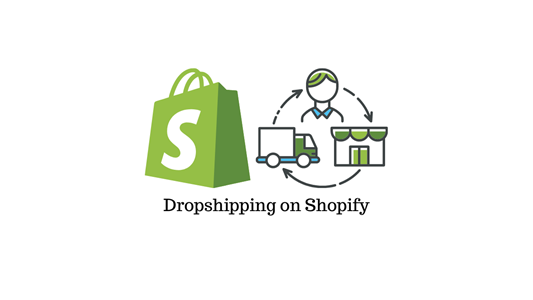
Dropshipping works differently from traditional e-commerce.
Instead of storing products yourself, you create an online store and partner with suppliers who ship products directly to customers after orders are placed.
Your role mainly involves:
- Creating the online store
- Running ads and marketing
- Handling customer service
- Managing branding and pricing
The supplier handles inventory and shipping.
This low-risk structure is one of the biggest reasons dropshipping became so popular among young entrepreneurs.
Why Shopify Became Popular for Dropshipping
Shopify became one of the most widely used platforms because it allows beginners to create professional e-commerce websites without advanced coding knowledge.
Popular features include:
- Easy online store setup
- Payment gateway integration
- Mobile-friendly design
- Product management systems
- App integrations for dropshipping
- Marketing and analytics tools
Combined with suppliers from platforms like AliExpress or Indian wholesalers, Shopify enabled small entrepreneurs to enter e-commerce quickly.
Is Shopify Dropshipping Profitable in India?
Yes, dropshipping can be profitable, but not in the unrealistic “easy money” way often shown online.
Profitability mainly depends on:
- Product demand
- Advertising efficiency
- Customer acquisition cost
- Supplier quality
- Brand positioning
- Delivery experience
Successful stores usually focus on products with strong emotional appeal or problem-solving value.
For example:
- Trendy gadgets
- Home improvement items
- Fitness accessories
- Beauty and skincare products
- Pet accessories
- Fashion niche products
Margins can vary significantly depending on product category and marketing performance.
Investment Required: Low Compared to Traditional Businesses
One of the biggest advantages of Shopify dropshipping is low startup investment.
A beginner may start with ₹20,000–₹1 lakh covering:
- Shopify subscription
- Domain name
- Product testing
- Facebook or Instagram ads
- Branding and creatives
Unlike traditional retail businesses, there is usually no need for warehouse investment or bulk inventory purchases initially.
However, serious scaling often requires increasing ad budgets significantly.
Revenue and Profit Potential
Dropshipping businesses can scale quickly because inventory risk is low.
Revenue comes from the difference between supplier cost and selling price.
For example:
- A product sourced for ₹500 may sell for ₹1,200–₹2,000 depending on branding and marketing.
- Viral products can generate large short-term sales spikes.
- Winning stores often rely heavily on paid advertising.
A successful Shopify store can generate anywhere from modest side income to several lakhs per month in revenue.
Net profit margins generally range between 10–30% after advertising costs, payment fees, refunds, and platform expenses.
The biggest profits usually come from building strong branded stores rather than generic product websites.
What Makes This Business Work
1. Product Selection
Winning products solve problems, create emotional reactions, or feel visually attractive on social media.
2. Strong Advertising
Facebook, Instagram, YouTube Shorts, and TikTok-style marketing drive most dropshipping sales.
3. Fast Website Experience
Customers leave slow or unprofessional stores quickly.
4. Branding and Trust
Branded stores perform far better than generic-looking dropshipping websites.
5. Customer Service
Refund handling and delivery communication strongly affect reputation and repeat purchases.
Challenges to Prepare For
1. High Competition
Thousands of people test similar products constantly.
2. Advertising Costs
Facebook and Instagram ads can become expensive quickly.
3. Supplier Dependency
Poor supplier quality or delayed shipping damages customer trust.
4. Cash Flow Management
Payment gateway settlement delays can create temporary financial pressure.
5. Low Long-Term Brand Loyalty
Many generic stores struggle to create repeat customers.
Dropshipping businesses that evolve into real branded e-commerce companies usually survive longer-term competition more successfully.
How to Increase Profitability
1. Focus on Niche Branding
Stores targeting specific audiences perform better than random product stores.
2. Use Indian Suppliers When Possible
Faster delivery improves customer satisfaction significantly.
3. Create Video Marketing Content
Short-form video ads drive modern e-commerce sales strongly.
4. Build Email and WhatsApp Lists
Customer retention improves long-term profitability.
5. Transition Into Private Label Branding
Many successful dropshippers later launch their own branded products.
Shopify Dropshipping vs Traditional E-Commerce
Traditional e-commerce requires inventory investment but allows better quality control and shipping management.
Dropshipping reduces startup risk but creates stronger dependence on suppliers and advertising performance.
The best long-term businesses often combine both — starting with dropshipping and later moving into branded inventory-based models.
The Future of Dropshipping in India
The future remains promising but more competitive than before. India’s e-commerce market continues expanding rapidly, while online shopping adoption keeps increasing across smaller cities and towns.
However, consumers are also becoming smarter. Generic low-quality stores struggle much more today than they did a few years ago.
The future belongs less to “quick-profit” dropshipping and more to strong niche brands built through good products, fast delivery, and trust-based marketing.
The Verdict: A Low-Risk E-Commerce Business With High Competition
Shopify dropshipping is one of the easiest online businesses to start in India because of its low upfront investment and scalability. But while entry is easy, long-term success requires real business skills — especially in marketing, branding, and customer experience.
The entrepreneurs who succeed in this industry usually stop thinking like short-term resellers and start thinking like real brand builders.
In a world where millions of consumers now discover products through social media every day, businesses that can combine attention, trust, and convenience will continue finding opportunities in online commerce.
Frequently Asked Questions (FAQs)
Q1. How much investment is needed to start Shopify dropshipping in India?
A: A beginner may start with ₹20,000–₹1 lakh including Shopify setup, ads, and product testing.
Q2. Is Shopify dropshipping legal in India?
A: Yes. It is legal as long as proper business compliance, GST requirements, and consumer protection rules are followed.
Q3. Can Shopify dropshipping be profitable in India?
A: Yes. Strong product selection and effective marketing can generate good profits, especially with niche branding.
Q4. What products are best for dropshipping?
A: Trending gadgets, beauty products, home décor, fitness accessories, and niche lifestyle products often perform well.
Q5. What is the biggest challenge in dropshipping?
A: Advertising costs, supplier reliability, and intense competition are major challenges.
Q6. Can dropshipping become a long-term business?
A: Yes. Many successful businesses start with dropshipping and later evolve into full branded e-commerce companies.