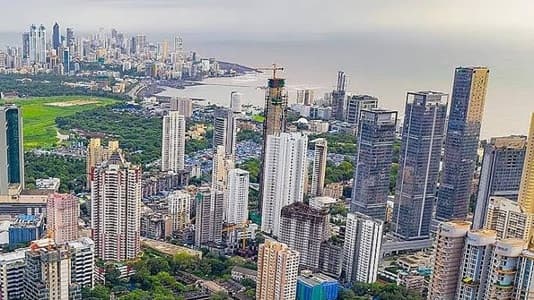
Noida real estate in 2026 is no longer just about “future promise.” For many years, Noida was seen as a cheaper alternative to Delhi, full of big project launches, investor excitement, and painful delivery delays. But in 2026, the story has changed. The city has moved into an execution phase, where infrastructure, airport connectivity, metro access, commercial growth, and completed housing societies are giving the market a more mature shape.
The wider NCR market also supports this shift. ANAROCK’s Q1 2026 NCR report recorded around 16,000 new residential launches, a 44% year-on-year rise, while sales reached around 15,200 units, up 21% year-on-year. Noida accounted for a smaller share than Gurugram, but it showed strong annual growth in launches and remained part of the region’s infrastructure-led demand story.
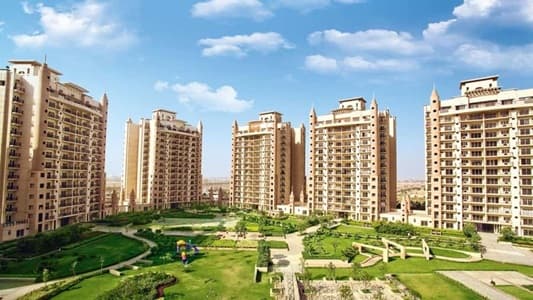
Overview of Noida Real Estate in 2026
Noida’s market is now divided into clear micro-markets. Earlier, buyers looked at Noida as one broad affordable zone. Today, Sector 150, Noida Expressway, Greater Noida West, Central Noida, Sector 75–79, Sector 94, Sector 137, Sector 142, and Yamuna Expressway are all behaving differently.
Greater Noida West and Noida Extension still attract first-time buyers and middle-income families looking for 2 BHK and 3 BHK flats. The broad price range here is lower than prime Noida, but rates have moved up sharply compared with earlier years. The area remains popular because it offers bigger homes at a lower ticket size.
The Noida Expressway belt, especially sectors like 137, 142, 143, 150 and nearby pockets, is more premium. It attracts IT professionals, office-goers, and buyers who want better roads, lower-density layouts, and access to commercial zones. Sector 150 is now one of the most discussed premium residential pockets because of its open planning, green image, sports-themed projects, and expressway access.
Ultra-premium projects in sectors like 94, 75–79 and central connected locations are also pushing Noida closer to Gurugram-style pricing. This is a major change. In the past, Noida was mostly seen as value housing. In 2026, it has become a mixed market with affordable, mid-segment, premium, and luxury all running side by side.
Airport and Infrastructure Push
The biggest confidence booster is Noida International Airport at Jewar. The airport announced commercial flight operations from 15 June 2026, with IndiGo as the first scheduled operator and Akasa Air and Air India Express to follow. The first phase has one runway and one passenger terminal with capacity for 12 million passengers annually, with long-term expansion planned.
This has changed the way investors look at the Yamuna Expressway and Greater Noida side. The airport is not just about flights. It can bring hospitality, logistics, warehousing, cargo, offices, retail, and housing demand. The airport’s Integrated Cargo Terminal is also planned as a multi-modal logistics facility connecting air, road, and rail movement, which strengthens the commercial case for the region.
Metro connectivity is another strong factor. The Noida Metro Aqua Line connects important sectors such as Sector 51, 76, 101, 137, 142, 143, 148, Knowledge Park, Pari Chowk and Greater Noida Depot. The network is 29.7 km long with 21 stations, giving many residential pockets better public transport access.
Benefits of Buying Property in Noida in 2026
1. Better Planning Than Many NCR Areas
Noida’s biggest strength is its planned layout. Wide roads, sector-based development, service lanes, expressway access, and organised land use make daily movement smoother than many older NCR locations. YEIDA also states that Noida, Greater Noida and Yamuna Expressway areas were created for systematic development and to prevent unplanned urban growth near Delhi.
2. Strong Space-to-Price Ratio
Compared with central Delhi and many Gurugram locations, Noida still offers better space for the same budget. Buyers can often get bigger flats, wider internal roads, modern clubhouses, better parking inside gated societies, and more open space than what they may get in older Delhi colonies.
3. Airport-Led Appreciation Potential
Jewar Airport has created a new growth story. Areas near Yamuna Expressway, Greater Noida, Sector 150, and airport-linked routes are attracting more attention. The airport may support demand for residential, commercial, hotel, logistics, and rental properties over the long term.
4. IT, Data Centre and Commercial Growth
Noida is no longer only a residential extension of Delhi. It has become a serious office, IT, media, electronics, and data centre market. NTT’s Noida 2 Data Center, for example, is located in the city’s data centre corridor and is planned to offer 52.8 MW capacity once fully built. This kind of digital infrastructure adds employment depth and supports housing demand from professionals.
5. Strong Rental Demand in Expressway Sectors
Sectors like 137, 142, 135, 140A and nearby expressway locations benefit from office and IT activity. Many working professionals prefer living close to offices instead of commuting daily from Delhi or Ghaziabad. This gives well-located apartments steady rental potential.
6. More Legally Structured Market Than Before
The stalled-project image has not fully disappeared, but RERA regulation has improved buyer awareness. UP RERA reported that Noida remained the top-performing district in Uttar Pradesh in 2025, with 69 registered projects, 37,199 approved units, and ₹37,161 crore in investment.
Drawbacks and Ground Realities
1. Prices Have Risen Sharply
Noida is no longer very cheap. Good projects in prime sectors now demand premium pricing. Many new launches are beyond the comfortable budget of middle-class buyers. A buyer who waited too long may now find the same sector much costlier than it was a few years ago.
2. Micro-Market Quality Varies
Noida changes quickly from one sector to another. Sector 150 may look clean, planned and premium, while some older or crowded sectors may have weaker maintenance, traffic pressure, encroachment, or poor last-mile access. Physical inspection is very important.
3. Parking Pressure Is Increasing
Even with wide roads, parking has become a real issue in busy commercial and high-density residential pockets. Greater Noida has already planned smart paid parking to reduce haphazard parking and road chaos in commercial and residential zones.
4. Civic Issues Still Exist
Some high-rise sectors face problems such as unauthorised vendors, waste dumping, road congestion, and pedestrian safety concerns. Residents in Noida’s 100x sectors raised complaints about garbage and food stalls causing congestion near FNG Road and nearby sectors.
5. Stray Cattle and Road Safety Problems
Noida still has local civic friction despite its planned image. In early 2026, after a techie was injured in a crash involving a stray bull, Noida Authority intensified cattle removal drives. Officials said the problem was seen in sectors 75–79, 10X sectors and areas near urban villages.
6. Resale Can Be Difficult in Old Societies
Modern buyers prefer new projects with better amenities, smart layouts, clubhouses, lifts, security, and cleaner maintenance. Older 12–15-year-old societies may struggle in resale unless the location is excellent or pricing is realistic.
Best Areas to Watch in 2026
For premium buyers, Sector 150, Sector 94, Sector 137, Sector 142 and selected Expressway sectors are important. For mid-budget families, Greater Noida West, Noida Extension, Sector 75–79 and some central Noida pockets are practical. For long-term investors, Yamuna Expressway and airport-linked sectors can be interesting, but only with patience and proper document checking.
Final View
Noida real estate in 2026 is stronger, cleaner and more structured than before, but it is not risk-free. The city offers planned development, airport-led growth, metro connectivity, IT and data centre demand, and better space compared with Delhi and Gurugram. At the same time, buyers must watch out for high prices, civic issues, resale weakness, parking pressure, and sharp differences between sectors.
For end-users, Noida is a good choice if the project is legally clear, well-connected, and close to daily needs. For investors, the best approach is to avoid blind airport hype and choose locations with real demand, strong developer reputation, and visible infrastructure on the ground.