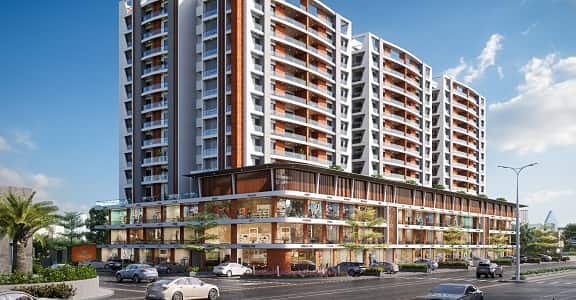
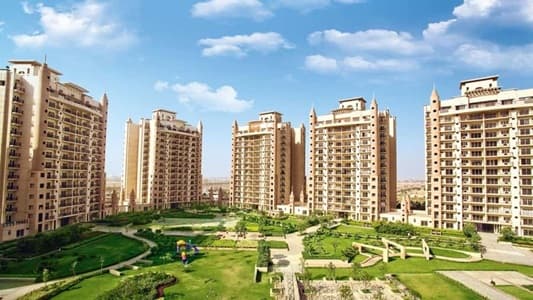
Delhi real estate in 2026 is a market of contrast. On one side, Delhi proper is land-starved, highly regulated, and expensive in established areas. On the other side, the larger Delhi-NCR region is expanding rapidly through Gurugram, Noida, Greater Noida, Ghaziabad, Faridabad, and newer growth corridors. So, when people talk about “Delhi real estate,” they are often talking about two different markets together: old Delhi/NCT housing and the wider NCR investment belt.
The year 2026 is important because buyer demand is still active, infrastructure projects are shaping property choices, and developers are focusing more on premium and mid-premium housing. Delhi-NCR housing sales reached 10,740 units in Q1 2026, up 30% from 8,290 units in Q1 2025, showing that demand has remained strong despite high prices.
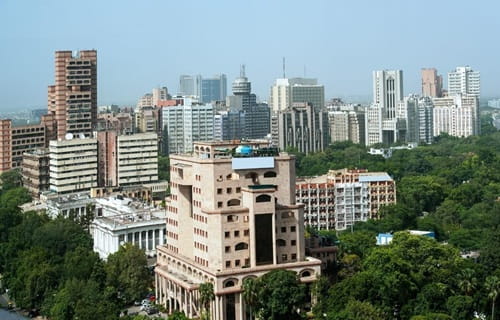
Overview of Delhi Real Estate in 2026
Delhi’s real estate market is different from cities like Pune, Hyderabad, or Bengaluru. The main city does not have enough fresh land for large township-style development. Because of this, much of Delhi’s property market depends on builder floors, redevelopment, DDA housing, resale apartments, plotted colonies, and premium independent floors.
In central and south Delhi, areas like Greater Kailash, Defence Colony, Vasant Vihar, Jor Bagh, Hauz Khas, Panchsheel Park, New Friends Colony, and Green Park remain expensive because of location, status, and limited supply. In west and north-west Delhi, areas like Dwarka, Janakpuri, Rohini, Pitampura, Paschim Vihar, and Punjabi Bagh continue to attract families looking for established residential neighbourhoods.
At the same time, the real action is shifting to NCR. Gurugram, Noida, Greater Noida, and the Yamuna Expressway belt are receiving strong attention because they offer larger projects, modern societies, better amenities, and more organised development. Cushman & Wakefield reported that Delhi-NCR recorded 9,677 new residential unit launches in Q1 2026, up 26% year-on-year, with Gurugram taking the largest share of new supply.
Why Delhi Real Estate Still Attracts Buyers
Delhi is India’s capital and one of the country’s most powerful employment centres. Government offices, embassies, courts, universities, hospitals, corporate offices, trading hubs, and service industries create constant demand for housing. Even people working in Gurugram or Noida often prefer to live in Delhi because of family networks, schools, hospitals, markets, and lifestyle comfort.
Another reason is connectivity. Delhi has one of India’s strongest metro networks, and this has changed the real estate value of many locations. Areas near metro stations usually enjoy better rental demand and easier resale. Even middle-class buyers now give more importance to metro access than just pin code prestige.
The larger NCR region is also being shaped by major infrastructure planning. The Regional Plan 2041 talks about better regional connectivity, transit-oriented development, new growth centres, and a more balanced distribution of development pressure beyond Delhi’s core. This is important because Delhi’s affordability problem cannot be solved inside the city alone.
Benefits of Buying Property in Delhi in 2026
1. Strong Location Value
Delhi has unmatched location value. Being close to government institutions, business centres, embassies, universities, hospitals, airports, and major markets gives the city long-term strength. A good property in a good Delhi locality usually remains desirable even during slow market phases.
2. Better Rental Demand
Delhi has strong rental demand from students, working professionals, government employees, diplomats, business families, and migrants from other states. Areas near metro stations, colleges, hospitals, coaching hubs, and office zones can generate steady rental income.
3. Established Social Infrastructure
One major advantage of Delhi is that many areas are already developed. Schools, hospitals, banks, markets, parks, transport, restaurants, and daily services are easily available. Buyers do not have to wait for basic infrastructure in most established colonies.
4. Strong NCR Growth Options
Buyers who cannot afford prime Delhi can look at NCR locations. Gurugram offers luxury and corporate-driven housing. Noida offers planned sectors and improving connectivity. Greater Noida and Yamuna Expressway offer future growth potential. Ghaziabad and Faridabad offer relatively affordable options for budget-conscious buyers.
5. Redevelopment Potential
Redevelopment is becoming an important theme in Delhi. Old houses, ageing apartments, and underused land pockets can slowly create new opportunities. Delhi’s new slum rehabilitation policy introduced in 2026 also aims to reshape housing for around 4 lakh families through a public-private partnership model.
6. Capital Appreciation in Select Corridors
Good locations in Delhi and NCR can offer long-term appreciation, especially where connectivity is improving. Areas around metro corridors, expressways, business hubs, and airport-linked routes generally attract more buyer interest.
Drawbacks of Delhi Real Estate in 2026
1. High Prices in Prime Delhi
The biggest drawback is price. South Delhi, central Delhi, and premium west Delhi locations are costly. Many middle-class buyers cannot afford a spacious home in these areas. Even builder floors can be expensive because land value is very high.
2. Limited Fresh Supply in Delhi Proper
Delhi does not have much vacant land for large-scale residential development. The Delhi Development Authority is responsible for planning, housing, land management, disposal, and land pooling, but new supply inside Delhi remains limited compared with NCR cities.
3. Old Buildings and Maintenance Issues
Many Delhi colonies have old structures, narrow lanes, limited parking, poor drainage, and ageing civic systems. Buying an old builder floor or resale flat requires careful checking of building quality, ownership papers, and future redevelopment possibilities.
4. Pollution and Congestion
Delhi’s pollution and traffic remain serious concerns. Even expensive colonies are affected by air quality issues, road congestion, and parking problems. For families with children or elderly members, this is an important drawback.
5. Legal and Documentation Risk
Delhi property deals can be complicated. Lal Dora areas, unauthorized colonies, GPA-based transactions, floor-wise ownership, old family settlements, and unclear mutation records can create legal risk. Buyers should never depend only on verbal assurance from brokers.
6. Premium Housing Bias
In 2026, many developers in Delhi-NCR are focusing on premium and luxury homes. This improves quality but also reduces affordable choices. For ordinary salaried buyers, the market can feel increasingly out of reach.
Best Areas to Watch in 2026
For premium Delhi buyers, South Delhi and Lutyens-linked areas remain strong but expensive. For family living, Dwarka, Rohini, Janakpuri, Pitampura, Mayur Vihar, Preet Vihar, and parts of Saket, Malviya Nagar, and Vasant Kunj are practical choices.
For investors, NCR corridors may offer better entry points. Gurugram remains strong for corporate-driven housing. Noida and Greater Noida are attractive because of planned development and improving infrastructure. Yamuna Expressway is future-facing, but buyers should be careful with timelines and actual possession status.
Final View
Delhi real estate in 2026 is strong, but not simple. The city offers location power, rental demand, social infrastructure, and long-term value. But it also comes with high prices, limited land, pollution, legal complexity, and affordability pressure.
For end-users, the best choice is a legally clear home in a well-connected area with good daily convenience. For investors, the better approach is to compare Delhi proper with NCR growth corridors and avoid buying only because of hype. Delhi will remain one of India’s most important real estate markets, but smart selection matters more than ever in 2026.