Yes, interest business is legal in India if you lend money under proper legal permission, follow state money-lending laws, avoid illegal recovery, and report interest income for tax.
Here, “interest business” usually means giving loans to people and earning interest from them. In India, lending money on interest is not automatically illegal. Banks, NBFCs, co-operative societies, microfinance companies, and licensed money lenders all earn interest legally.
But the problem starts when a person starts lending money regularly without licence, charges very high interest, takes blank cheques or property papers by pressure, or uses threats for recovery. That can become illegal money lending.
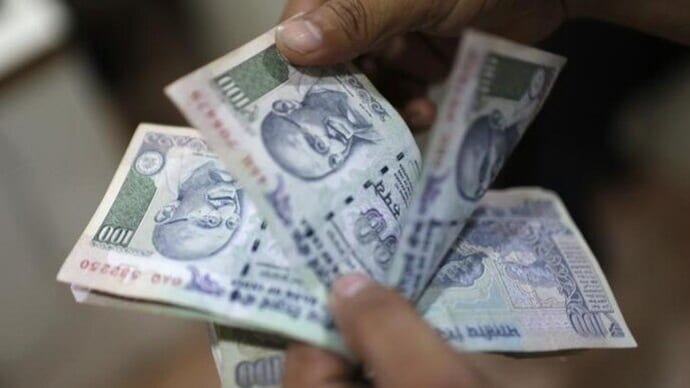
One-Time Lending vs Lending Business
If you give money once to a friend or relative and take reasonable interest, that is usually treated as a private loan. It is not the same as running a professional lending business.
But if you regularly lend money to many people and earn interest as your main activity, it becomes a money-lending business. In that case, you may need a money lender licence under your state law.
Money lending is mostly controlled by state laws in India. For example, the Karnataka Money-Lenders Act says no person can carry on money-lending business in the state except according to the terms and conditions of a licence. Maharashtra law also says a money lender cannot carry on money-lending business except in the area for which a licence has been granted and according to the licence terms.
So the answer depends on your state. Odisha, Maharashtra, Karnataka, Tamil Nadu, Kerala, Telangana, Gujarat, Rajasthan and many other states have their own money-lending rules.
When You Need RBI Registration
If you want to start a finance company whose main business is lending, then RBI rules may apply. A Non-Banking Financial Company, or NBFC, is a company involved in financial activities such as loans, advances, acquisition of shares, hire purchase, leasing, insurance, or chit business. RBI explains that a company whose principal business is financial activity needs registration as an NBFC.
Under Section 45-IA of the RBI Act, an NBFC must apply for registration with RBI. The law deals with registration and net owned fund requirements for NBFCs.
So, if you are only giving a few personal loans, RBI registration may not apply. But if you create a company and lending becomes the main business, you cannot ignore RBI/NBFC rules.
Can an Individual Run an Interest Business?
An individual can run a money-lending business only after checking and following the money-lending law of the concerned state. In many states, a money lender licence is required.
You may need to apply to the local authority, submit identity proof, address proof, business place details, financial details, and follow prescribed interest, record-keeping, and receipt rules. The exact process changes from state to state.
Without licence, recovery of money may also become difficult. Some state laws restrict unlicensed money lenders from using the court process in the same way as licensed lenders. In Maharashtra, carrying on money-lending business without a valid licence can attract punishment.
Charging High Interest Can Create Trouble
Interest itself is not illegal. But charging unreasonable, excessive, or exploitative interest can create legal problems, especially under state laws.
Many illegal lenders charge 5%, 10%, or even 20% per month and trap borrowers. They may take blank cheques, signed stamp papers, ATM cards, jewellery, land papers, or vehicle documents. This type of lending can lead to police complaints, cheating cases, extortion allegations, and action under state money-lending laws.
In Kerala, for example, illegal lending and exorbitant interest have led to police action under money-lending and excessive-interest laws.
Cash Loan Rules Are Important
If you lend or receive loans in cash, income tax rules can become a problem. Under Section 269SS of the Income Tax Act, a person cannot accept a loan, deposit, or specified sum of ₹20,000 or more in cash; it must be through banking modes like account payee cheque, bank draft, electronic clearing system, or other prescribed electronic modes.
Similarly, Section 269T restricts repayment of loans or deposits of ₹20,000 or more in cash.
So if you are lending money, avoid cash dealings. Use bank transfer, cheque, or other traceable legal payment modes. Keep proper records.
Interest Income Is Taxable
Interest earned from loans is taxable in India. If you lend money and earn interest, you must show it in your income tax return. If lending is your business, the income may be treated as business income. If it is occasional, it may be shown under income from other sources, depending on facts.
You should also keep a loan agreement, borrower details, repayment schedule, bank proof, interest calculation, and receipts. If there is no documentation, both tax and recovery problems can arise.
Digital Lending and Loan Apps
If the interest business is through an app or online platform, the rules become stricter. RBI’s digital lending guidelines apply to digital loans offered through digital platforms.
You should not launch a loan app casually without proper legal structure. Digital lending involves KYC, data privacy, customer consent, recovery rules, regulated entity requirements, and RBI compliance. Many illegal loan apps have faced action because of harassment, data misuse, and unlawful recovery methods.
When Interest Business Becomes Illegal
Interest business can become illegal if you lend regularly without required licence, run a finance company without RBI registration where required, charge excessive interest, use threats for recovery, take blank cheques by pressure, misuse borrower documents, avoid tax, or use cash transactions against income tax rules.
It can also become illegal if you collect money from the public promising high returns and then lend it forward. That may involve deposit-taking, collective investment, chit fund, or Ponzi-type issues.
Final Answer
Interest business is legal in India only when it is properly licensed and compliant. Small private lending may be allowed, but regular money lending usually needs a state money lender licence. Finance companies need RBI/NBFC compliance where applicable. Interest income must be reported, cash loan rules must be followed, and recovery must be lawful.
AQs
Q. Is lending money on interest legal in India?
Yes, lending money on interest is legal if it follows the applicable law. Regular money lending may require a state money lender licence.
Q. Can I lend money to my friend and take interest?
Yes, a private loan to a friend can be given with interest. But make a written agreement, use bank transfer, and report interest income.
Q. Do I need a licence to lend money in India?
If you are lending regularly as a business, you may need a money lender licence under your state law.
Q. Can I start a finance company and give loans?
Yes, but if lending is the main business of the company, RBI/NBFC registration and compliance may be required.
Q. Is charging 5% or 10% monthly interest legal?
Very high interest can be risky and may violate state money-lending or excessive-interest laws. It can also lead to complaints.
Q. Can I take blank cheques from borrowers?
Taking cheques as security is common in some lending, but forcing borrowers to give blank cheques or misusing them can create legal trouble.
Q. Can I recover money by sending people to the borrower’s house?
Recovery must be lawful. Threats, harassment, public humiliation, seizure of property without process, or violence can lead to criminal complaints.
Q. Is interest income taxable?
Yes. Interest earned from loans is taxable and should be shown in the income tax return.
Q. Can I give loans in cash?
Avoid cash loans. Section 269SS restricts accepting loans of ₹20,000 or more in cash, and Section 269T restricts cash repayment of such loans.
Q. What is the safest way to do this business?
Get the required licence, use written agreements, receive and pay through bank, charge reasonable interest, keep records, file tax properly, and use only legal recovery methods.