No, it is not a safe or clearly legal marketing method in India, especially when cars are parked in public places, private parking areas, malls, societies, offices, or roadside spaces without permission.
Leaving business cards on cars may look like a small promotional activity. Many people think, “It is just a card, not a poster or banner.” But legally, it can create problems. In India, there is no single national law that simply says, “Putting a business card on a car is always illegal.” Still, this activity can fall under local municipal rules, littering rules, public nuisance rules, advertisement rules, private property rules, and anti-defacement laws.
So the practical answer is: do not do it without permission. It may not always lead to a criminal case, but it can easily invite complaints, fines, removal by security, or action by municipal authorities.
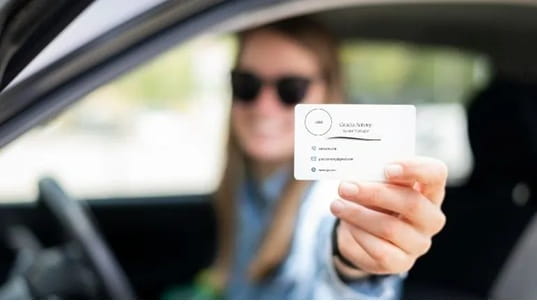
Why Leaving Cards on Cars Can Be a Problem
A car is someone’s private property. Even if it is parked on a public road, you do not have a free right to touch it, lift the wiper, place cards, paste stickers, or attach promotional material. Some owners may not mind, but others may treat it as interference with their vehicle.
A small card can also become litter. Many people remove such cards and throw them on the ground. If hundreds of cards are distributed in a parking area, the place becomes dirty. Municipal authorities can treat this as littering or unauthorised advertising.
In many Indian cities, local bodies are strict about posters, pamphlets, banners, flyers, and promotional material in public spaces. Delhi’s Prevention of Defacement of Property Act, 2007 defines defacement broadly as interfering with the appearance or beauty of property, and it provides punishment for defacing property in public view, with fine up to ₹50,000 or imprisonment up to one year.
Public Road vs Private Parking
If cars are parked on a public road, leaving cards on them can be treated as unauthorised promotion in a public place. Roads, footpaths, public parking areas, metro parking zones, bus stands, markets, and municipal parking spaces are regulated by local authorities.
If cars are parked in private property, such as a mall, apartment society, hospital, office complex, school, hotel, or gated parking lot, the issue becomes even clearer. You need permission from the property owner or management. Without permission, security can stop you, ask you to leave, complain to police, or report the activity as nuisance.
For example, if you enter a housing society and place business cards on 100 cars, the society can object because you entered private premises for commercial promotion. Even if your business is genuine, the method can be treated as unwanted solicitation.
It May Be Treated as Littering
Business cards and flyers often end up on the road. Once people throw them away, they become waste. Municipal rules in Indian cities allow penalties for littering and improper disposal of waste. Mumbai, for example, notified revised sanitation penalties in 2026, with littering attracting fines as part of civic cleanliness enforcement.
This is important because the person distributing the cards may say, “I did not throw them.” But if the campaign creates waste in a public space, the business name printed on the cards can directly identify who caused the mess. That can damage your brand and also bring complaints.
Anti-Defacement Rules Can Apply
If you paste, stick, tape, or attach anything to a vehicle, wall, pole, gate, pillar, glass, or public structure, anti-defacement rules may apply. Even if you only place the card under the wiper, the legal risk is lower than pasting a sticker, but it is still not a clean method.
Delhi’s anti-defacement law says property in public view should not be defaced by writing or marking with ink, chalk, paint, or other material, except for limited purposes like indicating owner details. The Act also says offences can be cognizable, meaning police can act without the same level of delay required in some non-cognizable offences.
Other states and cities also have similar rules against unauthorised posters, hoardings, banners, and publicity material. Enforcement may vary, but the risk remains.
Can It Damage the Car?
Sometimes a card placed under a wiper can get wet, stick to the glass, block the driver’s view, or scratch the windshield if dragged with dust. If someone uses tape, glue, magnets, stickers, or clips, the risk becomes higher. If the owner claims damage, even a small promotional act can turn into an argument.
A business should avoid any marketing method that touches another person’s vehicle without consent. It may look harmless, but it can feel intrusive.
What About Car Dealerships, Insurance Agents, or Local Shops?
Many businesses use this method: car accessories shops, insurance agents, real estate agents, driving schools, gyms, salons, coaching centres, and restaurants. Just because people do it does not make it legally safe.
If one or two cards are placed casually with permission, the risk is low. But mass distribution in parking areas is different. When a business sends workers to place cards on dozens or hundreds of cars, it becomes organised unauthorised advertising.
When It May Be Allowed
It may be acceptable if you have clear permission from the property owner or event organiser. For example, if a mall, society, showroom, office complex, or event manager allows you to place promotional cards on vehicles or at a designated counter, then it becomes safer.
Even then, it is better to avoid touching cars directly. Ask permission to place cards at the reception desk, billing counter, notice board, welcome kit, event stall, or brochure stand. This looks more professional and avoids complaints.
Better Legal Alternatives
Instead of placing business cards on cars, use safer marketing methods. You can distribute cards by hand after permission, place flyers inside shops with owner approval, run local Google ads, use WhatsApp business with consent, create Instagram and Facebook local campaigns, list your business on Google Business Profile, partner with local stores, or set up a small authorised stall.
For local businesses, permission-based marketing works better. It builds trust instead of irritation.
Final Answer
Leaving business cards on cars in India is not a clearly safe legal practice. It may not always be treated as a serious offence, but it can create trouble under municipal rules, littering penalties, anti-defacement laws, private property rules, and nuisance complaints.
If you want to promote your business, do not place cards on cars without permission. Take written or clear verbal permission from the parking owner, society, mall, office, or event organiser. The safest method is to distribute cards directly to interested people or keep them at approved places.
FAQs
Q1. Is it illegal to put business cards on cars in India?
A: It is not clearly allowed everywhere. It can become illegal or punishable if it violates local municipal rules, creates litter, damages property, or is done without permission in private parking.
Q2. Can I put my visiting card under a car wiper?
A: It is risky. The car belongs to someone else, and touching or using the vehicle for promotion without consent can lead to complaints.
Q3. Can I distribute cards in a mall parking area?
A: Only with permission from mall management. Without permission, security can stop you and remove you from the property.
Q4. Can police take action for leaving cards on cars?
A: Police action is more likely if there is a complaint, public nuisance, damage, illegal entry, or violation of local laws. In many cases, municipal authorities may act first.
Q5. Is it legal if I do not paste the card?
A: Not pasting reduces the risk, but it does not make the activity fully safe. It can still be treated as unauthorised promotion or littering.
Q6. Can a housing society stop me from placing cards on cars?
A: Yes. A housing society can stop unauthorised commercial promotion inside its premises.
Q7. What if the card falls and becomes litter?
A: That can create a problem. The business name on the card may identify who caused the litter.
Q8. Can I place cards on bikes and scooters?
A: The same risk applies. Two-wheelers are also private property.
Q9. What is the safest way to distribute business cards?
A: Give cards directly to interested people, keep them at approved counters, use local ads, or take permission from the property owner before distribution.
Q10. Should small businesses use this method?
A: It is better to avoid it. It may look cheap and intrusive. Permission-based local marketing is safer and more professional.