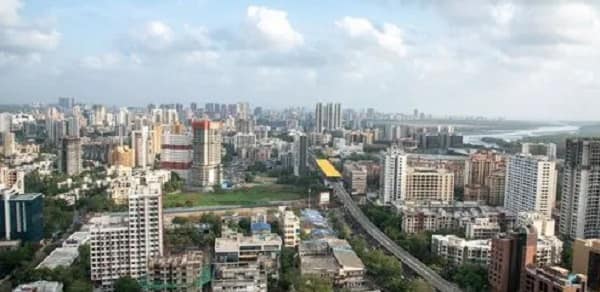
Hebbal Industrial Estate is one of the well-known commercial-industrial clusters located in the northern part of Bengaluru, Karnataka. Spread across a practical layout along the Bellary Road corridor, the estate has served as a working business address for decades — housing a diverse mix of small-scale manufacturing units, engineering workshops, logistics operators, trading firms, IT-enabled services, and corporate offices in one of Bengaluru’s most strategically positioned commercial belts.
Bengaluru’s northern corridor has undergone a dramatic transformation over the past two decades, driven primarily by the operationalisation of Kempegowda International Airport at Devanahalli and the subsequent development of aerospace SEZs, IT parks, and premium residential townships along the Bellary Road belt. Hebbal has emerged as a crucial junction in this transformation — a natural gateway between central Bengaluru and the airport. Hebbal Industrial Estate has held its relevance through this shift, continuing to draw tenants who value genuine airport-adjacent connectivity, a working commercial ecosystem, and affordability compared to premium business parks like Manyata or Embassy Business Hub.

| Category | Details |
| Location | Hebbal, North Bengaluru |
| State | Karnataka |
| Industrial Estate | Hebbal Industrial Estate |
| PIN Code | 560024 |
| Developed By | Karnataka Industrial Areas Development Board (KIADB) / KSSIDC |
| Major Industries | Engineering, Aerospace, Auto Components, Electronics, IT, Manufacturing |
| Distance from Bengaluru City Centre | Approx. 8-10 km |
| Nearby Airport | Kempegowda International Airport, approx. 25-28 km |
| Major Roads | Bellary Road (NH-44), Outer Ring Road, Hebbal Flyover, Airport Road |
| Nearby Landmark | Hebbal Lake, Manyata Tech Park, Esteem Mall, Columbia Asia Hospital |
Overview of Hebbal Industrial Estate
Hebbal Industrial Estate is an established commercial-industrial cluster located along the Bellary Road corridor in northern Bengaluru. It consists of small to medium-sized units catering to a wide range of businesses — from light manufacturing and engineering workshops to warehousing, electronics, trading firms, IT-enabled services, and corporate offices.
The layout reflects the typical Karnataka industrial estate format developed under KIADB (Karnataka Industrial Areas Development Board) and KSSIDC (Karnataka State Small Industries Development Corporation) frameworks. Buildings are functional rather than glossy, organised into plots with factory sheds, workshop units, and office-cum-manufacturing spaces. Unit sizes vary significantly — from compact shed units for small traders to larger plots accommodating full-scale manufacturing operations.
What makes Hebbal distinctive is its strategic northern Bengaluru position. Hebbal Junction is one of the city’s most important transit nodes, with the Hebbal Flyover serving as the critical link between central Bengaluru, the airport, and the surrounding IT corridors. The estate benefits from being at this crossroads — sitting at the intersection of traditional industrial activity and Bengaluru’s rapid northward expansion.
Location and Connectivity
Connectivity is one of Hebbal Industrial Estate’s strongest practical advantages. Its northern Bengaluru location places it at a genuinely strategic transit junction.
Road access is exceptional. The estate connects directly to Bellary Road (NH-44), the main arterial highway linking Bengaluru to the airport, Devanahalli, and onward to Hyderabad. The Outer Ring Road (ORR) passes through Hebbal, providing direct links to Manyata Tech Park, Yelahanka, Hennur, and the broader eastern and western Bengaluru corridors. The Hebbal Flyover is one of Bengaluru’s most important elevated road structures.
The metro story is evolving meaningfully. Namma Metro’s Blue Line (Silk Institute-Kempegowda International Airport), currently under construction, will significantly enhance Hebbal’s connectivity when operational — providing direct metro access to both central Bengaluru and the airport. The upcoming metro stations along this corridor will transform commuting patterns for Hebbal-based businesses.
For rail, Yeshwanthpur Junction is about 6-8 km away, offering extensive passenger and freight services. KSR Bengaluru City Railway Station, the major terminal, is about 10-12 km away.
Kempegowda International Airport at Devanahalli is approximately 25-28 km away, typically reachable in 40-50 minutes by road via Bellary Road or the signal-free airport corridor. While the distance exists, the connectivity quality is excellent — this is Bengaluru’s primary airport-connected commercial corridor.
Business and Commercial Importance
Hebbal Industrial Estate plays a significant role in Bengaluru’s northern commercial and industrial economy. It supports a wide spectrum of businesses that contribute meaningfully to Karnataka’s industrial output.
Engineering and precision manufacturing is a dominant sector. The estate hosts units producing industrial components, machinery parts, fabrication goods, and precision engineering products serving clients across India and internationally. Bengaluru’s strong position in India’s engineering and automotive sectors supports a robust base of suppliers at Hebbal.
Aerospace and defence-related manufacturing is a notable pillar, given Bengaluru’s status as India’s aerospace capital. With HAL, ISRO, DRDO labs, Airbus, Boeing, and several aerospace SEZs in the broader northern Bengaluru belt, Hebbal has attracted specialty component manufacturers, precision engineering firms, and Tier-2 aerospace suppliers.
Auto component manufacturing operates alongside electronics assembly, industrial electronics, and specialty manufacturing. Logistics, warehousing, and distribution firms have grown their footprint significantly, particularly given Hebbal’s strategic positioning on the airport route and Outer Ring Road.
IT services and BPO operations have expanded, leveraging Hebbal’s position next to Manyata Tech Park — one of Bengaluru’s largest IT employment hubs. Corporate offices, back-offices, CA firms, consulting practices, and service-sector businesses add further diversity to the tenant mix. Traditional trading companies dealing in industrial goods, hardware, and specialty items round out the profile.
Nearby Infrastructure and Facilities
The Hebbal belt is remarkably well-developed, reflecting northern Bengaluru’s transformation.
Manyata Tech Park sits nearby, housing hundreds of multinational IT firms including IBM, Philips, Cognizant, and many others. This creates a natural ecosystem of vendors, service providers, and support businesses that also serve Hebbal Industrial Estate tenants.
Retail and lifestyle options are strong. Esteem Mall is close by, along with several retail destinations along Bellary Road. Orion Mall at Rajajinagar and Phoenix Marketcity at Whitefield are within short drive for premium retail.
Healthcare is genuinely strong. Columbia Asia Hospital (Hebbal), Baptist Hospital, Aster CMI Hospital, and several specialty clinics are within reasonable reach. Manipal Hospital Hebbal is a major facility serving the northern belt.
Hotels and guest houses have grown around Hebbal to serve both business travellers and airport-linked stays. Sheraton Grand Bangalore, The Golden Palms, and several mid-range business hotels are within reach. Food options span traditional South Indian fare, North Indian restaurants, international cuisines, and the quick-service outlets that feed Manyata’s IT workforce.
Banks, ATMs, courier services, and industrial supply shops line Bellary Road and the connected arterial routes. Educational institutions including MS Ramaiah group, Ramaiah Institute of Technology, and several engineering colleges in northern Bengaluru provide a steady pipeline of talent.
Residential neighbourhoods in Hebbal, Sahakar Nagar, Hennur, and RMV Extension house much of the estate’s workforce, while upscale developments along Bellary Road and the airport corridor accommodate executive housing.
Advantages of the Location
Strategic junction positioning is the single biggest advantage. Hebbal sits at the meeting point of Bellary Road, Outer Ring Road, and the airport corridor — a combination that’s genuinely hard to replicate. Businesses benefit from exceptional citywide reach from a single base.
Proximity to Manyata Tech Park creates substantial cross-sector business opportunities. With Manyata hosting hundreds of thousands of IT professionals, the ecosystem effect for service-sector businesses, F&B, retail, and business services is real.
Aerospace ecosystem access is a genuine differentiator. Bengaluru’s position as India’s aerospace capital, with HAL, Airbus, Boeing, and multiple defence labs in the broader region, creates specialised supply chain opportunities that Hebbal tenants can tap into.
Airport connectivity is practical. While the airport is 25-28 km away, the connectivity quality via Bellary Road and the upcoming metro makes this a manageable distance — genuinely useful for logistics firms, export businesses, and companies with international exposure.
KIADB/KSSIDC institutional backing offers reliable infrastructure, single-window clearances, and supportive industrial policy. Karnataka’s state government has been consistently focused on supporting MSMEs and industrial growth in this corridor.
Affordability relative to Manyata’s Grade-A towers, Embassy Business Hub, or Whitefield’s premium developments is a real draw. Hebbal Industrial Estate offers a north Bengaluru address at meaningfully more approachable rates for manufacturing firms, SMEs, and growth-stage businesses.
Challenges or Limitations
Traffic congestion on Bellary Road, Outer Ring Road, and around Hebbal Flyover is a persistent concern — arguably one of the most congested stretches in Bengaluru during peak hours. Commute times can stretch considerably, affecting both employee mobility and delivery logistics.
Parking is tight in older parts of the estate. Like most established industrial zones, Hebbal wasn’t designed for current vehicle volumes, and street-side space is often contested between tenants, visitors, and delivery trucks.
Infrastructure in older sections shows its age. Roads, drainage, and building stock in the original phases need continuous upgrades, and monsoon-season waterlogging affects certain low-lying stretches. Hebbal Lake’s surrounding areas have historically been flood-prone during heavy rain.
Environmental compliance has tightened under the Karnataka State Pollution Control Board (KSPCB). Industries dealing with chemicals, electroplating, and waste-generating processes face stricter scrutiny, requiring continuous investment in effluent treatment and emission control.
Metro connectivity, while improving, isn’t yet operational for the airport-linked Blue Line — a limitation that will ease significantly once the line opens. Until then, Hebbal’s connectivity depends heavily on congested road networks.
FAQs
Q1. What is the PIN code of Hebbal Industrial Estate?
The estate falls under PIN code 560024, covering the Hebbal commercial belt of northern Bengaluru.
Q2. Who developed Hebbal Industrial Estate?
It was developed under Karnataka’s industrial framework, primarily involving the Karnataka Industrial Areas Development Board (KIADB) and the Karnataka State Small Industries Development Corporation (KSSIDC).
Q3. What kind of industries operate at Hebbal?
A diverse mix of engineering and precision manufacturing, aerospace and defence component firms, auto components, electronics, warehousing, logistics, IT services, and corporate offices.
Q4. What is the nearest metro station?
Namma Metro’s Blue Line (Silk Institute-Kempegowda International Airport) is under construction and will significantly improve metro connectivity to Hebbal when operational.
Q5. What is the nearest railway station?
Yeshwanthpur Junction is about 6-8 km away, offering extensive passenger and freight services. KSR Bengaluru City Railway Station is about 10-12 km away.
Q6. How far is Kempegowda International Airport?
The airport at Devanahalli is approximately 25-28 km away, typically reachable in 40-50 minutes by road via Bellary Road or the signal-free airport corridor.
Q7. Is Hebbal a good choice for setting up a new manufacturing unit?
Yes, particularly for engineering, aerospace, electronics, and SME manufacturing firms that value KIADB’s institutional support, proximity to Manyata and northern Bengaluru’s IT ecosystem, and strategic airport-corridor positioning.
Q8. What are the main challenges of operating here?
Peak-hour traffic on Bellary Road and Outer Ring Road, limited parking in older sections, ageing infrastructure in some parts, tightening environmental compliance, and current metro gaps are the most commonly cited concerns.