Mumbai real estate in 2026 is not a slow market. It is expensive, competitive, and still full of demand. For many buyers, the city looks unaffordable. For investors, it still looks powerful. That is the strange nature of Mumbai property: prices remain high, yet people continue to buy because land is limited, jobs are concentrated, and connectivity is improving.
In May 2026, Mumbai city under BMC limits recorded 12,315 property registrations, a 7% year-on-year rise and the highest May volume in 14 years. Stamp duty collection crossed ₹1,051 crore, showing that buyer activity has remained strong even with high prices.
Overview of Mumbai Real Estate in 2026
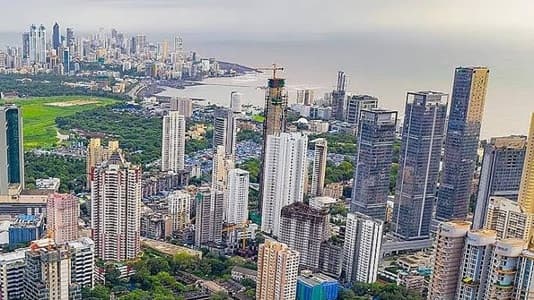
Mumbai’s property market is being shaped by three major forces: infrastructure, redevelopment, and premium housing demand. Areas connected to metro corridors, coastal road access, business hubs, and airport-linked growth zones are getting more attention from buyers.
According to JLL’s Q1 2026 Mumbai residential update, sales momentum improved, new launches rose quarter-on-quarter, mid-range price brackets dominated supply, and capital values increased across submarkets. Rents also strengthened in premium clusters.
The demand is not limited to South Mumbai or Bandra anymore. Western suburbs, central suburbs, Thane, Navi Mumbai, and extended MMR locations are becoming more practical for homebuyers. Many families now prefer a better-sized 2 BHK or 3 BHK in a connected suburb rather than a smaller flat in a very expensive old location.
Redevelopment is also becoming one of the biggest themes in Mumbai. Because fresh land is scarce and costly, developers are focusing on old buildings, housing societies, and ageing structures. This trend gives developers access to prime locations and gives residents newer homes with lifts, parking, security, and modern amenities.
Why Mumbai Property Still Attracts Buyers
The biggest reason is simple: Mumbai is India’s financial capital. It has strong employment in finance, entertainment, media, ports, corporate services, startups, IT offices, and trading businesses. People keep moving to Mumbai because income opportunities are higher compared with many other cities.
Another reason is limited land. Mumbai cannot expand like Bengaluru, Pune, or Hyderabad. Its island-city geography, coastal limits, and dense development keep land supply tight. This makes property expensive, but it also supports long-term value in good locations.
Infrastructure is adding another push. The Mumbai Coastal Road has already changed travel patterns in South Mumbai and the western corridor. By March 2026, average daily traffic on the Coastal Road had reached about 63,003 vehicles, and the Marine Drive–Worli travel time had reduced to under 10 minutes from around 30–40 minutes earlier.
Metro expansion is another strong factor. The Aqua Line and other metro corridors are improving access to business districts, railway stations, airports, and dense residential pockets. In Mumbai, even a 15–20 minute saving in daily travel can increase the appeal of a locality.
Benefits of Investing in Mumbai Real Estate in 2026
1. Strong Long-Term Demand
Mumbai rarely suffers from a complete demand collapse. Prices may slow, and sales may shift between locations, but the city’s housing need remains high. End-users, NRIs, investors, business families, and salaried professionals all form part of the buyer base.
2. Better Connectivity
Metro lines, the Coastal Road, the Mumbai Trans Harbour Link, and airport-linked projects are improving movement across MMR. This is especially important for suburbs and Navi Mumbai. Locations that were earlier seen as far are now becoming more acceptable.
3. Redevelopment Opportunity
Redevelopment can create fresh housing supply in old but valuable locations. Buyers get modern apartments in established areas, while old residents get upgraded homes. Developers also prefer this model because it solves the land scarcity problem to some extent.
4. Rental Income Potential
Mumbai has one of India’s strongest rental markets. Students, working professionals, corporate employees, and migrant families constantly need rental homes. Areas near offices, railway stations, metro lines, hospitals, colleges, and business hubs usually perform better.
5. Navi Mumbai and MMR Growth
The newly introduced Navi Mumbai International Airport has pushed attention toward Ulwe, Panvel, Kharghar, Taloja, and Dronagiri. Ulwe is gaining because of airport proximity, Panvel is attractive for affordable and mid-premium housing, and Kharghar benefits from good social infrastructure and metro connectivity.
Drawbacks of Mumbai Real Estate in 2026
1. Very High Prices
Affordability is the biggest problem. In many Mumbai areas, even a small apartment can cost more than a spacious home in another major Indian city. For middle-class buyers, the EMI burden can become heavy.
2. Smaller Carpet Areas
Mumbai flats are often smaller than homes in Pune, Hyderabad, Bengaluru, or Ahmedabad. A buyer paying a high amount may still get limited carpet area, compact bedrooms, and less open space.
3. Traffic and Congestion
Infrastructure is improving, but Mumbai’s congestion is still a daily challenge. Many roads remain crowded, railway stations are packed, and last-mile connectivity can be weak in some areas. Even premium locations are not free from traffic pressure.
4. Redevelopment Risk
Redevelopment sounds attractive, but not every project moves smoothly. Delays, disputes among society members, approvals, shifting timelines, and builder reliability are major concerns. Buyers should check the developer’s track record carefully.
5. High Maintenance and Extra Costs
Mumbai home ownership is not just about purchase price. Stamp duty, registration, GST on under-construction property, parking charges, society maintenance, brokerage, interior cost, and loan interest can increase the total burden.
6. Risk of Overpaying in Hype Locations
Airport-linked and metro-linked areas may offer growth, but buyers should not blindly follow hype. Some locations may already have priced in future development. Investors should check actual livability, road access, water supply, possession timeline, and rental demand before buying.
Best Areas to Watch in 2026
For premium buyers, Worli, Prabhadevi, Bandra, Lower Parel, Powai, Juhu, and parts of South Mumbai remain strong. For practical end-users, Goregaon, Kandivali, Borivali, Chembur, Mulund, Ghatkopar, Vikhroli, Bhandup, and Thane offer better balance.
For growth-focused investors, Navi Mumbai areas like Ulwe, Panvel, Kharghar, Taloja, and Dronagiri are worth tracking, especially because of airport and infrastructure-led development. But the best choice depends on budget, holding period, and whether the buyer wants self-use or investment.
Final View
Mumbai real estate in 2026 is strong, but not easy. It offers stability, rental demand, infrastructure-led growth, and long-term value. At the same time, it brings high prices, smaller homes, congestion, and project-related risks.
For end-users, the best strategy is to buy in a location that reduces daily travel and fits EMI comfort. For investors, the better approach is to avoid emotional buying and choose projects with clear connectivity, strong developer reputation, and real demand. Mumbai may remain expensive, but for careful buyers, it still remains one of India’s most powerful real estate markets.