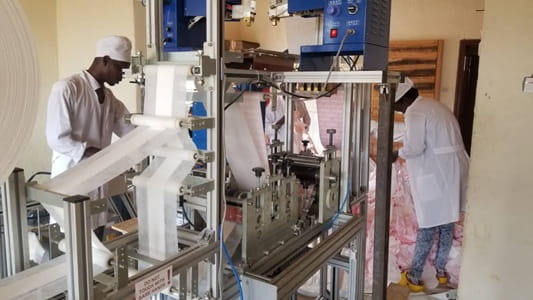
Every morning in India, millions of people step out wearing footwear made for completely different lives — school shoes for students, safety shoes for factory workers, sports shoes for gym-goers, sandals for daily comfort, premium sneakers for fashion-conscious youth, and slippers for everyday household use. Footwear is no longer viewed as a simple necessity alone. It has become a mix of utility, comfort, fashion, and lifestyle identity.
Over the last decade, India’s footwear market has expanded rapidly because consumers are buying more pairs than ever before. Earlier, many families purchased footwear only when old pairs became unusable. Today, people often buy separate footwear for office wear, sports, casual outings, festivals, and fashion trends.
At the same time, rising income levels, e-commerce growth, social media fashion culture, and affordable manufacturing access have transformed footwear into one of India’s largest consumer product industries.
This has opened major opportunities for manufacturers ranging from small workshops producing local slippers to large-scale sneaker and branded shoe factories.
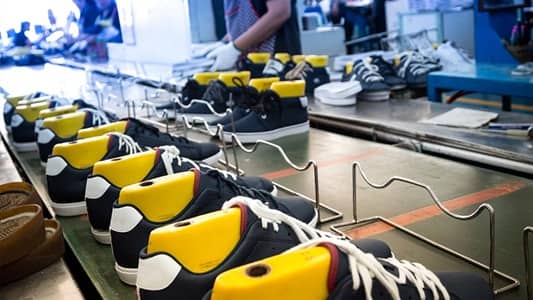
A Market That Keeps Moving Every Day
The biggest strength of the footwear business is universal demand. Every age group and income category purchases footwear regularly.
Several factors continue driving industry growth:
- Rising middle-class spending
- Fashion and lifestyle trends
- Growth of sports and fitness culture
- Increasing online shopping
- Expansion of organized retail
- Demand from rural and urban markets alike
Unlike luxury-only products, footwear combines necessity with repeat consumption.
Types of Footwear Manufacturing Businesses
1. Slipper and Sandal Manufacturing
One of the most affordable and high-volume categories.
2. Sports Shoe Manufacturing
Growing rapidly among younger consumers and fitness-focused buyers.
3. School Shoe Manufacturing
Steady demand linked to educational institutions.
4. Leather Footwear Manufacturing
Premium category with both domestic and export demand.
5. Women’s Fashion Footwear
Heels, flats, wedges, and designer collections.
6. Safety and Industrial Shoe Manufacturing
Supplying factories, construction companies, and industrial workers.
Investment Required: Flexible From Small Units to Factories
Footwear manufacturing can start small or scale into a large industrial operation.
A small slipper or sandal manufacturing unit may require ₹3–10 lakh including:
- Cutting machines
- Moulds and dies
- Raw material stock
- Stitching equipment
- Packaging setup
A medium-scale footwear factory with automated systems may require ₹25 lakh–₹2 crore or more depending on machinery, product category, and production volume.
Large branded manufacturing operations require significantly higher investment.
Raw Materials Used
The materials depend heavily on footwear type.
Common raw materials include:
- Rubber
- EVA foam
- Leather
- Synthetic leather
- PVC
- Fabric
- Soles and adhesives
- Packaging materials
Material quality strongly affects comfort, durability, and customer satisfaction.
Revenue and Profit Potential
Footwear manufacturing can become highly profitable because products often sell at significantly higher retail prices compared to production cost.
Revenue comes from:
- Wholesale supply
- Retail brand sales
- School and institutional contracts
- Online marketplaces
- Export orders
- Distributor networks
For example:
- Fashion footwear often carries strong margins.
- School shoe contracts provide recurring seasonal demand.
- Direct-to-consumer online brands improve profitability further.
A medium-scale footwear manufacturing business with strong distribution can generate substantial monthly revenue. Net profit margins generally range between 15–35% depending on product category, branding, and manufacturing efficiency.
Businesses with strong branding and repeat customers often achieve the best long-term growth.
What Makes This Business Successful
1. Comfort and Quality
Customers may forgive many things, but uncomfortable footwear quickly destroys repeat business.
2. Trend Awareness
Fashion preferences change constantly, especially among younger buyers.
3. Strong Distribution
Retail networks and online visibility both matter heavily.
4. Affordable Pricing
India remains highly price-sensitive across many footwear categories.
5. Branding and Packaging
Modern consumers increasingly care about presentation and brand identity.
Challenges to Prepare For
1. Heavy Competition
Local manufacturers, international brands, and online sellers all compete aggressively.
2. Fashion Trend Changes
Styles can become outdated quickly.
3. Inventory Pressure
Unsold stock ties up working capital.
4. Raw Material Cost Fluctuation
Rubber, leather, and synthetic materials may rise in cost.
5. Quality Complaints
Poor durability or uncomfortable designs damage reputation rapidly.
Manufacturers who balance comfort, pricing, and design effectively usually survive competition much better.
How to Increase Profitability
1. Focus on Niche Segments
Sports shoes, women’s fashion footwear, and comfort footwear often perform strongly.
2. Build Your Own Brand
Private branding improves margins significantly over pure wholesale manufacturing.
3. Use E-Commerce Aggressively
Online footwear sales continue growing rapidly in India.
4. Add Customization and Trend-Based Collections
Limited designs and stylish launches improve customer interest.
5. Expand Into Institutional Supply
Schools, factories, and hotels create bulk order opportunities.
Footwear Manufacturing vs Garment Manufacturing
Garment businesses often face faster trend cycles and return-related issues. Footwear manufacturing usually involves stronger repeat brand loyalty once customers trust comfort and durability.
However, footwear production also requires more technical sizing precision and quality testing.
Comfort matters even more than appearance in long-term footwear success.
The Future of Footwear Manufacturing in India
The future looks extremely strong. India’s young population, fashion-conscious consumers, sports culture, and growing e-commerce industry continue driving footwear demand upward.
Sneaker culture, affordable fashion brands, and premium comfort footwear are likely to create especially strong opportunities in the coming years.
India also remains an important manufacturing hub with export potential for global footwear markets.
The Verdict
Footwear manufacturing remains one of India’s most scalable consumer product businesses because it combines everyday necessity with fashion-driven repeat demand. From affordable slippers to premium sneakers, the market serves nearly every consumer category imaginable.
Manufacturers who focus on comfort, quality consistency, modern designs, and strong distribution often build businesses capable of growing steadily for many years.
In a country where millions of consumers purchase footwear regularly for school, work, travel, sports, and lifestyle needs, the industry is unlikely to slow down anytime soon.
Frequently Asked Questions (FAQs)
Q1. Which footwear category usually gives the best profit margins?
A: Fashion footwear, sports shoes, and branded lifestyle footwear often provide better margins compared to low-cost basic slippers.
Q2. Is footwear manufacturing possible on a small scale?
A: Yes. Many businesses begin with small slipper or sandal units before expanding into larger footwear categories.
Q3. Do local footwear brands still compete successfully against big companies?
A: Absolutely. Many regional brands perform very well because they understand local pricing, comfort preferences, and market demand.
Q4. What causes the biggest losses in footwear manufacturing?
A: Poor inventory planning, uncomfortable designs, and unsold trend-based stock are common reasons.
Q5. Is online selling important for footwear businesses today?
A: Very important. E-commerce and social media have become major growth channels for modern footwear brands.
Q6. What matters more in footwear business — fashion or comfort?
A: Both matter, but comfort usually determines whether customers return and recommend the brand again.