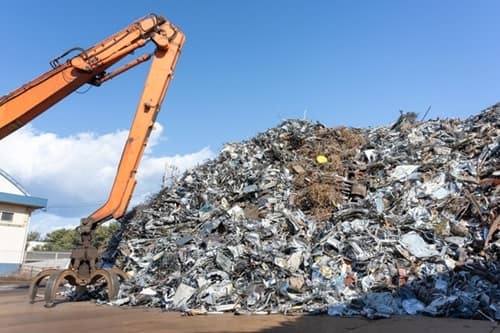
Every year, millions of old smartphones, laptops, televisions, batteries, refrigerators, printers, and electronic gadgets quietly stop working across India. Most people simply throw them away, replace them, or leave them collecting dust in storage rooms. But hidden inside this growing mountain of discarded electronics is something surprisingly valuable — gold, copper, silver, aluminium, plastic, and reusable electronic components worth thousands of crores.
India’s rapid digital growth has created an equally massive e-waste problem. As smartphones become cheaper, gadgets upgrade faster, and technology changes constantly, electronic waste is growing at an extraordinary pace. What was once seen purely as garbage is now becoming one of the country’s most important recycling industries.
The e-waste recycling business sits at the intersection of technology, environmental sustainability, and industrial recovery. Governments want more organized recycling. Manufacturers need proper disposal systems. Consumers are becoming more environmentally aware. And valuable recoverable materials continue rising in demand.
This has made e-waste recycling one of the most talked-about industrial opportunities in India today.
So, is e-waste recycling business profitable in India? Yes — potentially very profitable for businesses that operate legally, manage collection networks efficiently, and understand material recovery economics properly.
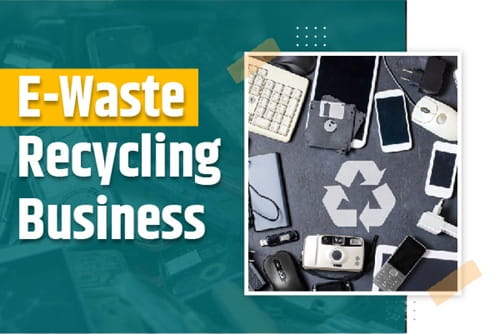
A Market Growing Faster Every Year
India is now one of the world’s largest producers of electronic waste. The increasing use of smartphones, computers, home appliances, and digital devices ensures that e-waste generation keeps rising continuously.
Several factors are driving industry growth:
- Rapid smartphone replacement cycles
- Expansion of electronics consumption
- Growth of IT and corporate sectors
- Government focus on recycling regulations
- Rising environmental awareness
- Increasing value of recoverable metals
Unlike many traditional recycling industries, e-waste contains high-value materials that can be extracted and resold.
What Does an E-Waste Recycling Business Do?
E-waste recycling businesses collect, dismantle, sort, and process discarded electronic products.
The process generally includes:
- Collection and transportation
- Device dismantling
- Material separation
- Metal extraction
- Plastic recycling
- Safe disposal of hazardous materials
Recoverable materials include:
- Copper
- Aluminium
- Gold
- Silver
- Palladium
- Iron
- Plastic components
Some businesses focus only on collection and dismantling, while larger operations handle full material recovery and refining.
Investment Required: Higher Than Basic Recycling Businesses
E-waste recycling requires more technical setup and regulatory compliance than ordinary scrap businesses.
A small collection and dismantling unit may begin with ₹10–25 lakh depending on licensing, tools, storage, and transportation.
A medium-scale recycling plant with advanced machinery and material recovery systems may require ₹50 lakh to several crores.
Investment usually includes:
- Warehouse or factory space
- Dismantling equipment
- Safety systems
- Shredding machines
- Pollution control systems
- Staff training
- Transportation vehicles
- Licensing and environmental compliance
Businesses targeting precious metal recovery require even higher technological investment.
Revenue and Profit Potential
The profitability of e-waste recycling comes mainly from recovering valuable materials from discarded electronics.
For example:
- Copper extracted from wires and components has strong resale value.
- Precious metals from circuit boards can generate significant returns.
- Reusable components may be refurbished and resold.
- Plastic and metal scrap create additional income streams.
A well-managed recycling business handling consistent e-waste volumes can generate substantial monthly revenue. Profit margins often range between 15–35% depending on processing efficiency, sourcing networks, and recovery technology.
Businesses that secure large corporate or institutional disposal contracts generally achieve stronger profitability.
What Makes This Business Work
1. Strong Collection Network
Access to consistent e-waste supply is the foundation of profitability. Companies, offices, repair shops, and electronic retailers become important sources.
2. Material Recovery Efficiency
The better the recovery process, the higher the profits. Efficient extraction systems significantly improve margins.
3. Corporate Partnerships
IT companies, schools, banks, and factories regularly dispose of electronic equipment and often prefer authorized recyclers.
4. Regulatory Compliance
Licensed and environmentally compliant businesses gain trust more easily from large institutions and government projects.
5. Refurbishment Opportunities
Some electronic items can be repaired and resold instead of fully recycled, increasing profitability further.
Challenges to Prepare For
1. High Initial Investment
Machinery, environmental systems, and compliance requirements can be expensive.
2. Complex Regulations
E-waste recycling in India requires authorization and environmental compliance.
3. Hazardous Waste Handling
Improper disposal of toxic materials can create legal and environmental problems.
4. Informal Sector Competition
Local unorganized scrap markets often operate at lower costs.
5. Technical Expertise
Material recovery and recycling require specialized operational knowledge.
Businesses that focus on safe processing and professional systems generally perform better long-term.
How to Increase Profitability
1. Build Corporate Contracts
Large institutional clients create predictable supply and revenue.
2. Expand Into Refurbishment
Repairing and reselling working electronics improves overall margins.
3. Recover High-Value Metals
Advanced recovery methods significantly increase profitability.
4. Use Efficient Sorting Systems
Proper segregation improves recycling output and reduces wastage.
5. Develop Collection Partnerships
Tie-ups with electronics retailers and repair shops strengthen supply chains.
Government Support and Regulations
The Indian government has introduced stricter e-waste management rules and Extended Producer Responsibility (EPR) policies.
Authorized recyclers often benefit from:
- Growing corporate demand
- Formal recycling partnerships
- Environmental sustainability initiatives
- Increasing government focus on organized waste management
As regulations tighten further, organized recycling businesses are expected to gain stronger advantages over informal operators.
The Future of E-Waste Recycling in India
The future looks extremely promising because India’s electronics consumption continues rising rapidly. Smartphones, laptops, electric appliances, batteries, and electric vehicles are all expected to increase future e-waste volumes dramatically.
At the same time, global demand for recycled metals and sustainable resource recovery is increasing.
This creates long-term opportunities for organized recycling businesses that can operate efficiently and responsibly.
The Verdict: A Modern Recycling Business With Industrial Potential
The e-waste recycling business is not a simple scrap operation — it is a technology-driven industrial recycling sector with strong long-term demand. It requires higher investment, compliance, and operational discipline, but it also offers access to valuable recoverable materials and large-scale industrial contracts.
Success in this business depends heavily on supply networks, recovery efficiency, and legal compliance rather than simply collecting waste.
In a world becoming more digital every year, the business of responsibly handling old technology may become just as important as producing new technology itself.
Frequently Asked Questions (FAQs)
Q1. How much investment is needed to start an e-waste recycling business in India?
A: A small collection and dismantling setup may require ₹10–25 lakh, while medium-scale recycling plants can require ₹50 lakh or more.
Q2. Is e-waste recycling profitable in India?
A: Yes. Valuable recoverable metals and growing electronic waste volumes make the business potentially highly profitable.
Q3. What materials are recovered from e-waste?
A: Copper, aluminium, gold, silver, iron, plastic, and reusable electronic components are commonly recovered.
Q4. Does e-waste recycling require government approval?
A: Yes. Proper environmental authorization and regulatory compliance are required for legal operation.
Q5. Can refurbished electronics increase profits?
A: Absolutely. Repairing and reselling usable electronics can generate much higher margins than raw material recycling alone.
Q6. Is the future of e-waste recycling strong in India?
A: Yes. Rising electronics usage, stricter regulations, and increasing environmental awareness are expected to drive strong long-term growth.