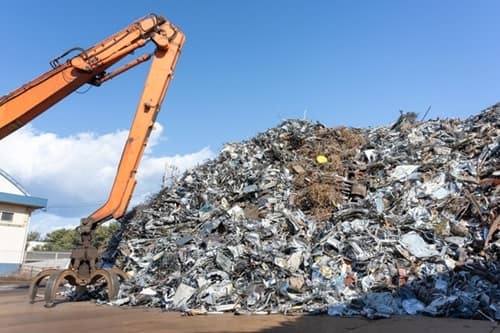
Every city in India is constantly throwing away metal. Old cars are dismantled, factories discard machinery, construction sites generate steel waste, electrical wires get replaced, and households regularly sell broken appliances, aluminium utensils, iron grills, and unused metal items to local scrap dealers. What most people see as junk is actually the raw material of a massive recycling economy worth thousands of crores.
The scrap metal business is one of India’s oldest yet most underestimated industries. Quietly operating behind factories, industrial zones, demolition sites, and local kabadi markets, this business powers large parts of the country’s recycling supply chain. Steel plants, foundries, automobile manufacturers, and metal processing companies all depend heavily on recycled scrap metal because it reduces production costs and conserves natural resources.
As industrialisation, construction, and infrastructure projects continue expanding across India, the demand for recyclable metal is growing steadily. At the same time, rising global metal prices have made scrap trading more commercially attractive than ever before.
So, is scrap metal business profitable in India? Yes — highly profitable for businesses that build strong supply networks, manage inventory efficiently, and understand metal pricing dynamics properly.
A Market Built on Constant Industrial Demand
Unlike trend-based businesses, scrap metal recycling serves industries that operate continuously regardless of economic cycles.
Demand comes from:
- Steel plants
- Foundries
- Construction companies
- Automobile manufacturers
- Electrical industries
- Machinery factories
- Recycling units
Several factors are driving market growth:
- Expansion of infrastructure projects
- Rising industrial production
- Increasing focus on recycling
- Higher global metal prices
- Growth of automobile and construction sectors
Metal recycling is now considered both economically valuable and environmentally important.
Types of Scrap Metal Businesses
1. Iron and Steel Scrap Trading
The largest segment involving construction scrap, machinery waste, and industrial steel.
2. Aluminium Scrap Business
High demand due to lightweight industrial applications and strong recycling value.
3. Copper Scrap Trading
One of the most profitable categories because copper prices are consistently high.
4. Brass and Stainless Steel Scrap
Widely used in manufacturing and industrial recycling.
5. Electronic and Industrial Scrap
Includes machine parts, electrical wires, transformers, and industrial waste metals.
Investment Required: Flexible From Small to Large Scale
One of the biggest strengths of this business is scalability.
A small local scrap collection business can begin with ₹2–5 lakh covering:
- Small storage space
- Transportation
- Labour
- Weighing equipment
A medium-scale scrap yard handling industrial quantities may require ₹15–50 lakh or more including:
- Warehouse or yard space
- Trucks or loaders
- Cutting machines
- Sorting equipment
- Labour and operational costs
Large recycling and metal processing plants require significantly higher investment, but many successful businesses begin as local trading operations.
Revenue and Profit Potential
The scrap metal business works strongly because metals always retain value.
Profitability comes from:
- Buying scrap at lower prices
- Sorting and grading metals
- Selling in bulk to industries or recyclers
- Price fluctuations in metal markets
For example:
- Copper scrap generally carries some of the highest margins.
- Aluminium and brass also generate strong resale value.
- Industrial bulk contracts create stable recurring income.
A medium-scale scrap business handling regular industrial supply can generate several lakhs in monthly revenue. Net profit margins generally range between 10–25% depending on metal type, sourcing efficiency, and market pricing.
Businesses with strong collection networks and large turnover often earn significant profits through volume.
What Makes This Business Work
1. Strong Supplier Network
Relationships with factories, demolition contractors, workshops, electricians, and local collectors are extremely important.
2. Efficient Sorting
Proper segregation of metals improves resale prices substantially.
3. Storage Capacity
Holding inventory during low-price periods and selling during price increases improves margins.
4. Industrial Buyers
Direct relationships with foundries and recycling plants increase profitability compared to relying entirely on middlemen.
5. Fast Logistics
Quick transportation and loading operations help handle larger volumes efficiently.
Challenges to Prepare For
1. Metal Price Fluctuation
Global metal market changes directly affect profitability.
2. Working Capital Requirement
Large purchases often require significant upfront cash.
3. Theft and Security Issues
High-value metals like copper are vulnerable to theft.
4. Government Compliance
Large-scale operations may require trade licences, GST registration, pollution approvals, and local permissions.
5. Intense Competition
Local scrap markets are highly competitive and relationship-driven.
Businesses that maintain trustworthy supplier networks and efficient operations generally survive long-term competition.
How to Increase Profitability
1. Focus on High-Value Metals
Copper, brass, and aluminium often generate stronger margins than basic iron scrap.
2. Build Industrial Partnerships
Direct supply agreements with factories improve stability and pricing.
3. Invest in Processing Equipment
Cutting, shredding, and sorting machinery improve operational efficiency.
4. Expand Into Recycling
Some businesses later move from trading into full recycling and processing operations.
5. Monitor Market Prices Closely
Timing purchases and sales properly is critical in metal trading.
Scrap Metal Business vs Other Recycling Businesses
Compared to plastic or paper recycling, metal recycling generally offers stronger resale value and more stable industrial demand.
Metals also retain recyclable value indefinitely, making scrap trading one of the most resilient recycling industries globally.
However, the business requires stronger logistics management and higher working capital compared to many small recycling businesses.
The Future of Scrap Metal Business in India
The future looks extremely strong because India’s industrial growth, infrastructure expansion, and urban redevelopment continue generating enormous scrap volumes.
At the same time, industries increasingly prefer recycled metal because it reduces production costs and energy consumption.
Electric vehicles, renewable energy infrastructure, and large construction projects are also expected to increase future demand for recyclable metals.
The Verdict: A Traditional Trade With Modern Industrial Demand
The scrap metal business may appear simple from the outside, but behind it sits a massive industrial recycling ecosystem that powers manufacturing across India. It is a business built on relationships, logistics, pricing knowledge, and operational efficiency rather than branding or advertising.
Success in this industry comes from controlling supply chains, understanding metal markets, and moving material efficiently at scale.
In a country building new infrastructure every day while constantly replacing old machinery and products, the business of recycling metal is unlikely to slow down anytime soon.
Frequently Asked Questions (FAQs)
Q1. How much investment is needed to start a scrap metal business in India?
A: A small scrap collection setup can begin with ₹2–5 lakh, while medium-scale scrap yards may require ₹15–50 lakh or more.
Q2. Which scrap metal is most profitable?
A: Copper scrap generally offers some of the highest profit margins because of strong market value.
Q3. Is scrap metal business legal in India?
A: Yes, but proper trade licences, GST registration, and local permissions may be required for larger operations.
Q4. Who buys scrap metal in bulk?
A: Steel plants, foundries, recycling companies, construction firms, and manufacturing industries are major buyers.
Q5. Is scrap metal demand increasing in India?
A: Yes. Industrial growth, infrastructure development, and recycling awareness are increasing demand steadily.
Q6. Can small businesses enter the scrap metal industry?
A: Absolutely. Many large scrap businesses started as small local collection and trading operations.