Walk through any Indian market today — from luxury malls in Mumbai to crowded street markets in Delhi — and one thing becomes obvious very quickly: fashion is no longer just about clothing. It is identity, status, lifestyle, and increasingly, a business opportunity.
Over the last decade, India’s fashion industry has transformed dramatically. Social media, e-commerce platforms, influencer culture, and rising disposable income have created an environment where even small independent brands can compete with established companies. What once required massive factories and retail chains can now begin from a small room with a few designs, a smartphone, and smart digital marketing.
Today, thousands of young entrepreneurs are launching t-shirt brands, streetwear labels, ethnic fashion startups, gym wear lines, and sustainable clothing businesses directly through Instagram and online marketplaces. Some fail quickly. Others quietly grow into multi-crore brands.
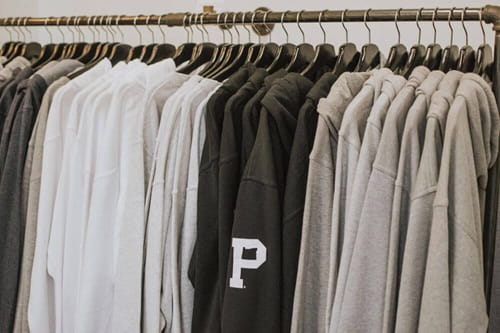
A Market Driven by Fashion and Identity
India’s apparel market is one of the largest in the world and continues expanding rapidly. Young consumers are spending more on fashion than previous generations, especially in urban areas.
Several factors are driving industry growth:
- Rising disposable income
- Growth of online shopping
- Social media influence
- Celebrity and influencer culture
- Expansion of fast fashion
- Increasing focus on personal style
Unlike earlier generations that bought clothes mainly for necessity, modern consumers buy fashion for self-expression and trends.
Types of Clothing Brand Businesses
1. Streetwear Brands
Oversized t-shirts, hoodies, and urban fashion targeting younger audiences.
2. Ethnic Wear Brands
Kurtas, sarees, lehengas, and traditional Indian clothing.
3. Women’s Fashion Brands
One of the largest and fastest-growing categories in India.
4. Gym and Activewear Brands
Driven by fitness culture and athleisure trends.
5. Sustainable Fashion Brands
Eco-friendly and organic clothing lines gaining popularity.
6. Kidswear Brands
A strong segment with recurring customer demand.
Investment Required: Flexible From Small Online Startups to Large Labels
One of the biggest advantages of starting a clothing brand is scalability.
A small online clothing brand using print-on-demand or outsourced manufacturing may begin with ₹1–5 lakh including:
- Initial inventory
- Website setup
- Branding and logo design
- Product photography
- Social media marketing
A medium-scale clothing business with manufacturing, warehousing, and larger inventory may require ₹10–50 lakh or more.
Large retail brands with physical stores involve significantly higher investment.
Revenue and Profit Potential
The clothing business can become highly profitable because branding allows significant markup over manufacturing cost.
For example:
- A t-shirt manufactured for ₹250–400 may retail for ₹800–2,000 depending on branding and positioning.
- Premium streetwear and designer fashion often operate on even higher margins.
- Repeat customers increase profitability substantially over time.
A well-positioned clothing brand with strong online sales can generate several lakhs to crores in monthly revenue. Net profit margins generally range between 20–50% depending on production method, branding strength, and marketing efficiency.
Direct-to-consumer online brands usually retain much better margins than wholesale businesses.
What Makes This Business Work
1. Strong Brand Identity
Customers today buy stories and identity as much as products. Brands with a clear style and personality stand out more easily.
2. Product Quality
Poor fabric quality destroys repeat business quickly, especially in online fashion.
3. Social Media Marketing
Instagram, YouTube, and influencer collaborations drive massive fashion sales today.
4. Trend Awareness
Fashion trends move quickly. Brands that adapt faster usually perform better.
5. Photography and Presentation
Good product visuals dramatically improve conversion rates online.
Challenges to Prepare For
1. Intense Competition
Thousands of new fashion brands launch every year.
2. Inventory Risk
Unsold stock can lock up capital quickly.
3. Trend Changes
Fashion trends change rapidly, making forecasting difficult.
4. Customer Returns
Online clothing businesses often face high return and exchange rates.
5. Marketing Costs
Customer acquisition through ads can become expensive.
Brands that create strong emotional connection and loyal communities usually survive long-term competition much better.
How to Increase Profitability
1. Focus on Niche Markets
Streetwear, anime fashion, sustainable clothing, or regional styles often perform better than generic fashion.
2. Build Direct Online Sales
Selling through your own website improves margins compared to marketplaces alone.
3. Create Limited Drops
Scarcity and exclusivity increase perceived value.
4. Use Influencer Marketing
Fashion businesses grow strongly through creator collaborations.
5. Expand Product Categories
Successful brands often expand into accessories, footwear, and lifestyle products.
Clothing Brand vs Garment Manufacturing
Garment manufacturing focuses on producing clothing for other businesses. A clothing brand, on the other hand, focuses on customer identity, marketing, and retail pricing.
This makes branding significantly more profitable but also more dependent on marketing and consumer perception.
The Future of Clothing Brands in India
The future looks extremely strong. India’s young population, smartphone penetration, and online shopping growth continue driving fashion consumption upward.
Regional fashion brands, creator-led labels, and direct-to-consumer startups are expected to expand rapidly over the next decade.
Consumers are increasingly moving away from generic products toward brands that reflect their personality and lifestyle.
The Verdict: A Creative Consumer Business With Massive Scalability
The clothing brand business is one of the most scalable consumer businesses in India today. It combines manufacturing, branding, social media, and lifestyle marketing into one industry with enormous growth potential.
Success in fashion rarely comes from simply selling cheap products. It comes from creating identity, trust, and emotional connection around a brand.
In a country where millions of young consumers now discover fashion through their phones every day, the brands that understand culture and community will always have an opportunity to grow.
Frequently Asked Questions (FAQs)
Q1. How much investment is needed to start a clothing brand in India?
A: A small online brand can begin with ₹1–5 lakh, while larger operations may require ₹10 lakh or more.
Q2. Is clothing brand business profitable in India?
A: Yes. Strong branding and direct online sales can create very high profit margins.
Q3. Which clothing niche is most profitable?
A: Streetwear, women’s fashion, gym wear, and premium ethnic wear are among the fastest-growing categories.
Q4. Can clothing brands start without manufacturing factories?
A: Absolutely. Many brands use third-party manufacturers or print-on-demand services initially.
Q5. Is Instagram important for clothing brands?
A: Yes. Social media marketing is one of the biggest growth drivers for fashion businesses today.
Q6. What is the biggest challenge in clothing business?
A: Competition, inventory management, and customer acquisition are usually the biggest challenges.