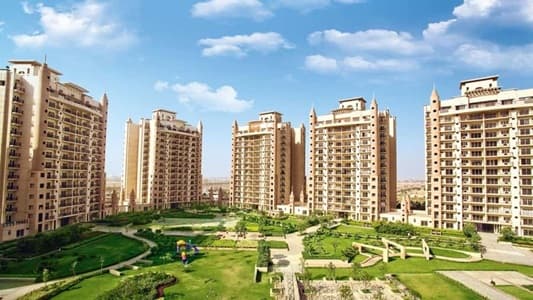
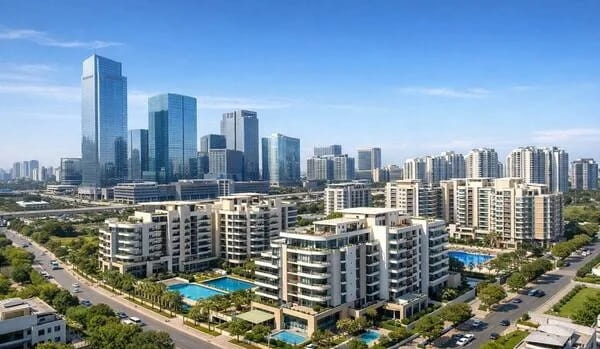
Pune real estate in 2026 is no longer the quiet, slow-moving market it was once known to be. The city has moved far beyond its old identity as a pensioner’s paradise and academic centre. Today, Pune is a mature residential market supported by IT jobs, manufacturing, education, startups, Global Capability Centres, automobile hubs, and a growing premium housing culture.
The market is still healthy, but it has become more selective. Buyers are not rushing blindly into every project. They are looking for branded developers, better layouts, larger homes, metro access, water security, and strong social infrastructure. Knight Frank’s Q1 2026 report showed that Pune housing sales dropped 11% year-on-year, while launches fell 5%, suggesting a cooling phase after strong previous years rather than a complete slowdown.
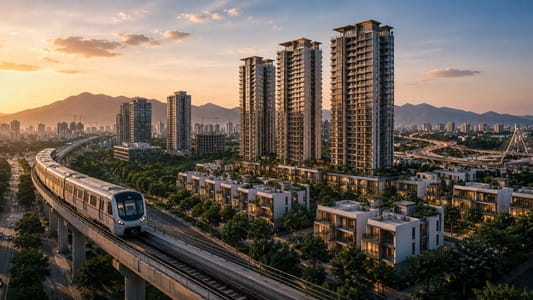
Overview of Pune Real Estate in 2026
Pune’s real estate market is shaped by clear micro-markets. Each zone has its own buyer profile, price level, and growth story.
The premium lifestyle core includes Koregaon Park, Kalyani Nagar, Boat Club Road, Erandwane, Prabhat Road and parts of Model Colony. These are established, high-value areas with strong social infrastructure, restaurants, schools, hospitals, commercial access and lifestyle appeal. Prices here are high because fresh supply is limited and demand is steady from business families, senior professionals, NRIs and wealthy end-users.
The tech-driven premium corridors include Baner, Balewadi, Kharadi, Viman Nagar and parts of Wakad. These areas attract IT professionals, startup employees, senior corporate workers and rental investors. Baner and Balewadi benefit from lifestyle infrastructure, cafés, high-street retail and access to Hinjewadi. Kharadi benefits from EON IT Park, World Trade Center and strong office demand.
The mid-segment tech extensions include Hinjewadi, Wakad, Hadapsar, Bavdhan and parts of Tathawade. These areas are popular among salaried buyers who want a balance of workplace access and relatively better affordability. Hinjewadi, in particular, is changing because of metro progress.
The emerging and affordable belts include Wagholi, Kiwale, Moshi, Undri, Bhugaon, Ravet, Punawale and Charholi. These locations are attractive for first-time buyers and long-term investors, but civic infrastructure must be checked carefully.
Infrastructure Push in Pune
The Pune Metro is one of the biggest real estate triggers in 2026. JLL’s Q1 2026 update noted that Pune residential sales showed some moderation quarter-on-quarter, but new launches rose 5% and capital values increased year-on-year, showing continued developer confidence in the city’s growth corridors.
The Hinjewadi-Shivajinagar Metro Line 3 is especially important for the property market. PMRDA describes it as a 23.203 km elevated corridor with 23 stations, designed to connect Hinjewadi IT Park with Shivajinagar and reduce pressure on the busy IT commute route. As of June 2026, the first phase of 12 stations is expected to be ready by June-end, with commissioning targeted around August 2026 after approvals. Once fully operational, the line is expected to reduce Shivajinagar-Hinjewadi travel time to about 45 minutes from 90 minutes or more during peak traffic.
The Pune Ring Road is another major factor, especially for peripheral locations. However, buyers should treat it as a long-term trigger, not an immediate guarantee. In May 2026, reports said the ₹55,000-crore ring road project was facing slow execution, with eastern and western alignments behind schedule.
Benefits of Buying Property in Pune in 2026
1. Strong Job-Backed Demand
Pune has one of India’s most balanced economies. It is not dependent only on IT. The city has technology parks, auto manufacturing, EV industries, education, healthcare, research centres, startups, and industrial belts in Chakan, Talegaon and Ranjangaon. This creates steady housing demand from students, professionals, families and industrial workers.
2. Good Rental Potential
Pune offers better rental comfort than many larger cities. Areas near Hinjewadi, Kharadi, Baner, Balewadi, Wakad, Viman Nagar, Hadapsar and Magarpatta attract tenants because of office proximity. Students also support rental demand in areas near colleges and universities.
3. Metro-Led Appreciation
Metro connectivity can improve the value of properties near stations, especially where traffic is a daily pain. Hinjewadi, Baner, Balewadi, Shivajinagar, Kharadi-linked future corridors, PCMC, Swargate, Ramwadi and Nigdi-side extensions are worth watching closely.
4. Better Lifestyle Than Mumbai
Many Mumbai buyers look at Pune because they can get larger homes, better amenities, more open space and less daily congestion for a lower ticket size. Pune also offers a good mix of city life, greenery, restaurants, schools and weekend travel options.
5. Rise of Integrated Townships
Modern Pune buyers prefer gated projects with clubhouses, co-working spaces, sports facilities, water treatment systems, security, gardens and community spaces. This has helped branded developers perform better than small standalone builders.
6. Long-Term Peripheral Growth
Locations like Wagholi, Kiwale, Bhugaon, Moshi, Ravet, Punawale and Undri may benefit from future road and infrastructure development. But these areas require patience. They are better for long-term buyers, not people expecting quick resale profit.
Drawbacks and Ground Realities
1. Water Supply Problems
Water is one of Pune’s biggest real estate concerns. Many newer and merged areas still depend heavily on tankers because municipal pipelines have not kept pace with construction. In April 2026, tanker service disruption affected areas like Undri, Mohammadwadi, NIBM Road and Pisoli, exposing the dependence of housing societies on private supply.
2. Traffic Bottlenecks
Pune’s external connectivity is improving, but internal traffic is still painful. Hinjewadi, Wakad, Baner, Kharadi, Nagar Road, Hadapsar, Wagholi and Sinhagad Road can face heavy congestion during office hours. A project may look close on the map but still take much longer in real commute.
3. Rising Prices
Pune is no longer a cheap market. Premium homes in Koregaon Park, Kalyani Nagar, Baner, Balewadi and Kharadi are becoming expensive. Even mid-segment locations like Wakad, Hinjewadi and Bavdhan have seen strong price growth. This has made first-time buying more difficult.
4. Resale Selectivity
Older standalone buildings or 10–12-year-old apartments without strong amenities may not sell easily. Today’s buyers prefer branded projects, better layouts, parking, security and modern maintenance. Resale sellers may need to offer discounts if the society is ageing or poorly maintained.
5. High Transaction Cost
Buyers must account for stamp duty and registration costs. In Pune, the 2026 stamp duty rate is generally quoted at 7% for male buyers and 6% for female buyers, with registration fee at 1% of property value, capped at ₹30,000 for properties above ₹30 lakh. This adds a major upfront burden beyond the property price.
Best Areas to Watch in 2026
For premium buyers, Koregaon Park, Kalyani Nagar, Boat Club Road, Erandwane, Prabhat Road and Baner remain strong.
For IT professionals and rental investors, Kharadi, Hinjewadi, Wakad, Balewadi, Viman Nagar, Magarpatta and Hadapsar are practical choices.
For mid-budget family buyers, Bavdhan, Tathawade, Ravet, Punawale, Moshi and parts of PCMC are worth considering.
For long-term investors, Wagholi, Kiwale, Bhugaon, Undri and Ring Road-linked areas may offer potential, but only after checking water, roads, approvals and actual development.
Final View
Pune real estate in 2026 is stable, mature and selective. It offers strong employment demand, metro-led growth, good rental potential, better liveability than Mumbai, and a strong shift toward branded gated communities. At the same time, buyers must be careful about water supply, traffic, high transaction costs, resale liquidity and overpricing in hyped corridors.
For end-users, Pune is still one of India’s best cities to buy a home if the location reduces commute and offers reliable civic services. For investors, the safest strategy is to choose employment-linked areas, reputed developers and projects with real rental demand. Pune may not be as explosive as Gurugram or Hyderabad, but it remains one of India’s most dependable real estate markets in 2026.