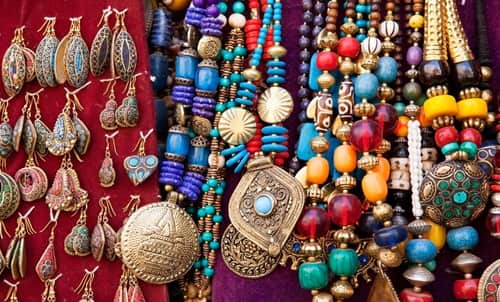
Jewelry has always held a special place in Indian culture. From weddings and festivals to daily fashion and social occasions, ornaments are deeply connected to tradition, beauty, and personal style. But over the last decade, one major change has transformed the jewelry market across India — consumers increasingly want fashionable designs without spending the enormous amounts required for real gold and diamond jewellery.
This shift gave rise to the explosive growth of artificial jewelry, also called imitation or fashion jewelry.
Today, college students, office workers, influencers, brides, and social media creators regularly buy artificial jewellery to match outfits, trends, and occasions. Instead of purchasing one expensive gold set, many consumers now prefer multiple stylish and affordable artificial jewellery collections.
At the same time, Instagram stores, online marketplaces, boutique fashion brands, and export demand have turned artificial jewelry into one of India’s fastest-growing fashion manufacturing industries.
So, is artificial jewelry manufacturing business profitable in India? Yes — highly profitable for businesses that focus on trendy designs, quality finishing, strong branding, and fast-moving fashion demand.
A Market Driven by Fashion and Affordability
India’s fashion jewelry market has expanded rapidly because artificial jewellery offers style at a fraction of the cost of precious jewellery.
Several factors are driving industry growth:
- Rising fashion consciousness
- Social media and influencer culture
- Growing middle-class spending
- Expansion of online shopping
- Demand for wedding and party wear jewellery
- Fast-changing fashion trends
Unlike traditional gold jewellery, artificial jewellery allows customers to buy multiple styles regularly without major financial burden.
Types of Artificial Jewelry Businesses
1. Fashion Jewelry Manufacturing
Necklaces, earrings, bangles, rings, and bracelets for daily and party wear.
2. Bridal Artificial Jewelry
Heavy wedding-style sets inspired by traditional gold designs.
3. Oxidized and Boho Jewelry
Popular among younger urban consumers and college audiences.
4. Temple and Ethnic Jewelry
Traditional South Indian and cultural-style ornaments.
5. Export-Oriented Jewelry Manufacturing
Supplying international fashion markets.
6. Customized and Handmade Jewelry
Personalized or boutique designer collections.
Investment Required: Flexible From Small Workshops to Large Units
One of the biggest strengths of this business is scalability.
A small home-based jewellery manufacturing setup may require ₹1–5 lakh including:
- Basic tools and moulds
- Beads and stones
- Plating materials
- Packaging setup
- Initial raw material stock
A medium-scale manufacturing unit with casting, polishing, and plating machinery may require ₹10–50 lakh or more depending on production volume and automation.
Larger export-oriented units require significantly higher investment.
Raw Materials Used
Common raw materials include:
- Brass
- Copper
- Alloy metals
- Artificial stones
- Beads and pearls
- Chains and hooks
- Gold and silver plating chemicals
Design quality and finishing strongly influence customer perception and pricing.
Revenue and Profit Potential
Artificial jewelry manufacturing can become extremely profitable because fashion-based products often carry high markup potential.
For example:
- A jewellery piece manufactured at low cost may sell at several times its production price depending on design and branding.
- Bridal and premium designer collections usually command higher margins.
- Online direct-to-customer sales improve profitability further.
A medium-scale jewellery manufacturing business with strong retail or online demand can generate substantial monthly revenue. Net profit margins generally range between 20–50% depending on design uniqueness, branding, and production efficiency.
Businesses with strong fashion positioning and repeat customers often achieve especially strong profitability.
What Makes This Business Work
1. Trendy Designs
Fashion jewellery trends change rapidly. Businesses that launch fresh styles consistently perform better.
2. Good Finishing Quality
Customers notice plating quality, shine, durability, and comfort immediately.
3. Strong Social Media Presence
Instagram, Pinterest, and influencer marketing drive major sales today.
4. Affordable Pricing
Customers often buy multiple pieces impulsively when pricing feels attractive.
5. Fast Inventory Rotation
Quickly updating collections keeps customer interest high.
Challenges to Prepare For
1. Heavy Competition
Thousands of local manufacturers and online sellers already operate in this market.
2. Trend Changes
Fashion preferences shift quickly, creating inventory risk.
3. Quality Complaints
Poor plating or skin irritation issues can damage reputation.
4. Inventory Management
Unsold designs can lock up working capital.
5. Copycat Competition
Popular designs are often copied rapidly by competitors.
Businesses that focus on originality and strong branding usually survive long-term competition more successfully.
How to Increase Profitability
1. Focus on Niche Styles
Bridal, Korean-style, boho, oxidized, and luxury imitation jewellery categories often perform strongly.
2. Sell Directly Online
Instagram stores and websites improve margins compared to wholesale-only models.
3. Collaborate With Influencers
Fashion creators help products reach targeted audiences quickly.
4. Launch Limited Collections
Scarcity and exclusivity increase perceived value.
5. Expand Into Export Markets
Indian artificial jewellery has strong international demand in some regions.
Artificial Jewelry vs Real Jewelry Business
Real jewellery businesses depend heavily on gold prices, security, and high capital investment. Artificial jewellery businesses are more fashion-driven and accessible with much lower financial risk.
This makes artificial jewellery easier for new entrepreneurs to enter and scale quickly.
However, trend adaptation and branding become much more important than in traditional jewellery retail.
The Future of Artificial Jewelry Business in India
The future looks extremely strong. Fashion-conscious consumers, influencer culture, and affordable luxury trends continue driving demand upward.
Wedding fashion, social media styling, and online boutique culture are expected to expand even further over the next decade.
At the same time, younger consumers increasingly prioritize variety and style over expensive precious jewellery for regular use.
The Verdict
Artificial jewelry manufacturing is one of India’s most scalable and profitable fashion-oriented manufacturing businesses today. It combines relatively flexible investment, high design-based margins, and rapidly growing online consumer demand.
Success in this business depends heavily on design creativity, trend awareness, finishing quality, and branding rather than simply producing large quantities.
In a country where fashion trends change constantly and millions of consumers want affordable style, businesses that can deliver attractive and trendy jewellery will continue finding enormous opportunities.
Frequently Asked Questions (FAQs)
Q1. How much investment is needed to start an artificial jewelry manufacturing business in India?
A: A small setup may require ₹1–5 lakh, while medium-scale manufacturing units may require ₹10–50 lakh or more.
Q2. Is artificial jewelry business profitable in India?
A: Yes. Strong fashion demand and high markup potential make it highly profitable when branding and designs are managed well.
Q3. Which artificial jewellery category is most profitable?
A: Bridal jewellery, oxidized jewellery, trendy fashion collections, and premium designer imitation jewellery are among the most profitable categories.
Q4. Can artificial jewelry business run from home?
A: Absolutely. Many successful jewellery brands started from small home-based setups.
Q5. What is the biggest challenge in this business?
A: Competition, changing fashion trends, and maintaining product quality are major challenges.
Q6. Is demand for artificial jewellery increasing in India?
A: Yes. Social media fashion culture, affordable pricing, and growing online shopping continue driving strong market growth.