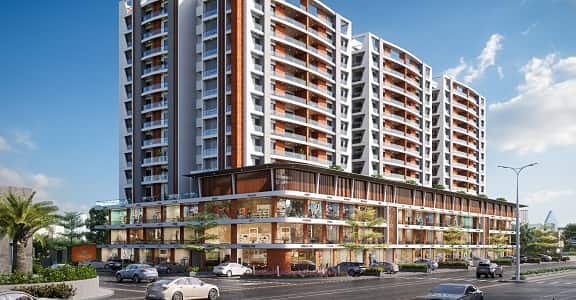
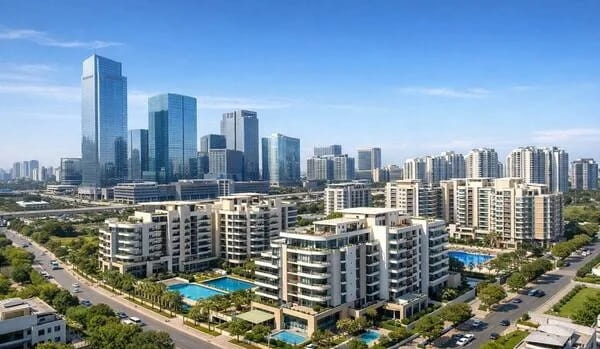
Kolkata real estate in 2026 is a calm but interesting market. It does not move with the same aggression as Mumbai, Bengaluru, or Gurugram, but it has one strong advantage: affordability. For homebuyers who want a metro city lifestyle without paying extreme prices, Kolkata still offers practical options. The city has old cultural value, improving metro connectivity, growing suburbs, and steady demand from end-users.
In Q1 2026, Kolkata recorded 4,043 residential unit sales, showing 5% year-on-year growth. Average residential prices rose 3% year-on-year to around ₹5,937 per sq ft, while unsold inventory dropped by 7% to 19,062 units. This shows that Kolkata is not a dead or slow market; it is growing steadily, but in a more balanced way.
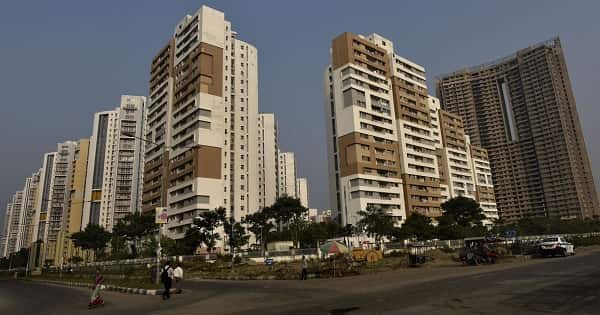
Overview of Kolkata Real Estate in 2026
Kolkata’s property market is mostly end-user driven. People buy homes here for living, family settlement, rental income, and long-term security. The city is not highly speculative like some fast-moving real estate markets. This makes Kolkata more stable, though appreciation can be slower.
The main residential demand is seen in areas like New Town, Rajarhat, EM Bypass, Joka, Behala, Garia, Tollygunge, Dum Dum, Barasat, Madhyamgram, and Howrah-side locations. Central and old premium areas like Ballygunge, Alipore, Southern Avenue, Salt Lake, Park Street surroundings, and parts of South Kolkata remain expensive because of location and social status.
New Town and Rajarhat continue to attract IT professionals, young families, and investors because of planned infrastructure, wider roads, office spaces, schools, hospitals, and modern housing societies. EM Bypass remains important because it connects hospitals, premium residential zones, malls, and business districts. Joka and Behala are also becoming more attractive due to metro-linked growth.
Kolkata recorded 2,222 residential unit launches in Q1 2026, with peripheral submarkets taking the largest share. The mid-segment formed 52% of launches, while affordable housing also improved quarter-on-quarter. Capital values rose 6–7% year-on-year in active submarkets, while rentals also showed mild growth.
Why Kolkata Real Estate Is Gaining Attention
The biggest reason is affordability. Compared with Mumbai, Delhi, Bengaluru, and even parts of Pune and Hyderabad, Kolkata still offers lower entry prices. A buyer with a moderate budget can find a decent apartment in Kolkata, especially in suburban and developing areas.
The second reason is metro expansion. Kolkata already has India’s oldest metro system, and new corridors are now changing the property map. The official Kolkata Metro expansion plan mentions 87.83 km of sanctioned new metro projects, including important extensions around the city.
Metro growth matters because Kolkata traffic can be slow in many stretches. Areas connected by metro usually get better demand from office-goers, students, and tenants. In the coming years, localities around Joka, Howrah, Salt Lake, New Town, Airport, Barasat-side corridors, and South Kolkata may benefit from improved connectivity.
The city is also seeing infrastructure support beyond metro. A ₹900 crore elevated link between New Town and Chingrighata has been allocated in the Bengal budget. This project is expected to reduce traffic pressure between EM Bypass and New Town, two important real estate zones.
Benefits of Buying Property in Kolkata in 2026
1. Better Affordability Than Other Metro Cities
Kolkata’s biggest benefit is price comfort. A buyer who cannot afford a good property in Mumbai, Delhi, or Bengaluru may still get a reasonable 2 BHK or 3 BHK in Kolkata. This makes it attractive for middle-class families, retirees, and first-time homebuyers.
2. Stable End-User Demand
Kolkata does not depend only on investors. Many buyers purchase homes for actual living. This reduces the risk of sudden artificial price jumps and crashes. It is a more grounded market.
3. Metro-Led Growth
Metro expansion is one of the biggest triggers for Kolkata real estate. The city’s network is expanding beyond the old north-south route. Once more corridors become fully functional, daily travel may become easier, and property demand can improve in connected pockets.
4. Strong Social Infrastructure
Kolkata has good schools, colleges, hospitals, markets, cultural spaces, temples, transport, and old residential neighbourhoods. Areas like Salt Lake, Ballygunge, Tollygunge, Garia, Dum Dum, New Town, and EM Bypass already offer strong daily convenience.
5. Good Rental Potential in Select Areas
Rental demand is strong near office hubs, metro routes, hospitals, colleges, and commercial areas. New Town, Salt Lake Sector V, Rajarhat, EM Bypass, Garia, Tollygunge, Dum Dum, and Howrah-connected locations can attract tenants if the property is well located.
6. Growth in Mid-Sized Homes
Kolkata buyers are shifting toward more practical home sizes. In March 2026, 501–1,000 sq ft homes formed 58% of residential registrations, up from 44% in March 2025. This shows that buyers are preferring usable mid-sized homes rather than very small units.
Drawbacks of Kolkata Real Estate in 2026
1. Slower Appreciation Compared With Faster Markets
Kolkata can give stable value, but it may not give very fast appreciation like Gurugram, Bengaluru, or some Mumbai Metropolitan Region pockets. Investors expecting quick returns may feel disappointed.
2. Job Market Is Not as Strong as Bengaluru or Mumbai
Kolkata has IT, trade, education, healthcare, and service-sector jobs, but its high-paying corporate ecosystem is still smaller than Bengaluru, Hyderabad, Mumbai, or Gurugram. Property growth is closely linked with job growth, so this is an important limitation.
3. Infrastructure Is Improving, But Slowly
Metro expansion and road projects are positive, but delays are common. Some locations may take years to get full connectivity benefits. Buyers should not purchase only on future promises.
4. Waterlogging and Old Civic Issues
Some Kolkata areas face waterlogging, narrow roads, old drainage, and ageing buildings. Before buying, it is important to check local flood history, road width, parking, drainage, and building condition.
5. Uneven Development
New Town and parts of EM Bypass look modern, while many older areas still have congested lanes and limited parking. Peripheral areas may offer lower prices, but social infrastructure may not be fully developed everywhere.
6. Resale May Take Time
In some Kolkata locations, selling a property quickly can be difficult. The market is active, but buyer decisions are usually cautious. Investors should keep a longer holding period.
Best Areas to Watch in 2026
For premium buyers, Ballygunge, Alipore, Salt Lake, Southern Avenue, Park Street surroundings, and parts of South Kolkata remain strong. These areas are costly but offer social prestige and established infrastructure.
For IT professionals and rental investors, New Town, Rajarhat, Salt Lake Sector V, EM Bypass, and nearby connected pockets are important. These areas have office access, modern apartments, and tenant demand.
For mid-budget buyers, Garia, Tollygunge, Joka, Behala, Dum Dum, Barasat, Madhyamgram, and Howrah-side locations are worth watching. These areas may benefit from metro and road improvement over time.
Final View
Kolkata real estate in 2026 is a practical market. It offers affordability, cultural comfort, metro-led growth, decent rental demand, and better entry prices than many other metro cities. It is especially suitable for end-users and patient investors.
But buyers should not expect magic returns. Growth can be slow, infrastructure delivery may take time, and location selection matters a lot. The safest strategy is to buy in a legally clear project, near real connectivity, with good schools, hospitals, markets, and transport access. In simple words, Kolkata is not the fastest real estate market in India, but it remains one of the most balanced and affordable metro-city property markets in 2026.