A loose floor tile, a wet grocery store aisle, or a broken staircase may seem like small problems until someone gets hurt. Property owners have a duty to take reasonable steps to keep their spaces safe, and ignoring a known danger may lead to serious questions about responsibility. Still, an injury alone does not prove that a property owner was at fault.
Evidence, records, and clear proof of the harm all matter. An experienced premises liability lawyer may help connect these details and present a stronger claim. Here are five ways that support can make a difference.
1. Identify Who May Be Responsible for the Injury
Finding the responsible party is one of the first steps in a premises liability claim. The person who owns a property may not always be the one responsible for maintaining it. A landlord, store manager, business operator, or maintenance company may also have duties related to safety.
For example, a visitor who slips on a leaking floor may need to know who was responsible for fixing the leak or cleaning the area. Property agreements, maintenance duties, and inspection records may help answer that question.
Identifying the right party helps keep the claim focused on the people or businesses whose actions may have contributed to the injury. It also helps prevent confusion about who should respond to the claim.
2. Gather Evidence That Supports Your Account
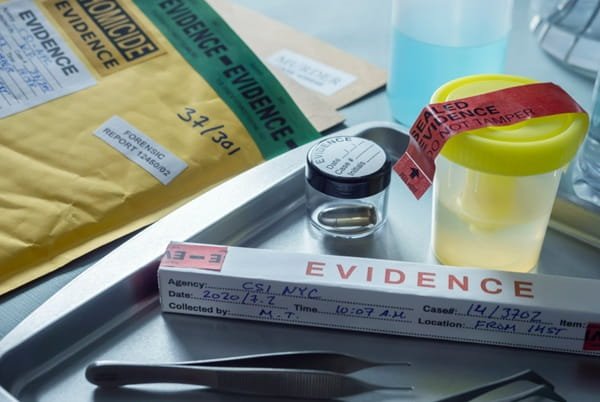
A claim needs more than a statement that an accident occurred. Evidence helps show what happened, where the danger existed, and how the injury may have resulted from it. Some useful records may disappear quickly, so collecting and preserving them matters.
An attorney may help gather and review evidence such as:
- Photos and videos: Images of the hazard, damaged property, and surrounding area may show the condition at the time of the accident.
- Witness statements: People who saw the incident may share details that support the injured person’s account.
- Incident reports: Reports made to a store, landlord, or property manager may record what happened.
- Maintenance records: Inspection logs and repair records may show how the property was cared for before the accident.
Together, these details can create a clearer account of the event and help address disagreements about what happened.
3. Show How Negligence Contributed to the Accident
An unsafe property condition does not automatically make the owner legally responsible for an injury. The claim may need to show that the owner or another responsible party failed to take reasonable care and that this failure contributed to the accident.
Consider a staircase with a loose handrail. If the property manager knew about the problem but failed to arrange repairs, records or witness statements may help show that the danger was known. A similar issue may arise if a store fails to clean a spill or warn visitors about a slippery floor.
A lawyer may review the available facts to see what they show about the hazard, the property’s safety practices, and the actions taken before the accident. This can help connect the unsafe condition to the injury instead of relying on assumptions about fault.
4. Document the Full Impact of Your Injuries
Medical treatment is only one part of the harm caused by a premises accident. An injury may also affect a person’s ability to work, carry out daily tasks, or manage regular expenses. Clear records help show the full effect of these losses.
Medical bills, doctor’s notes, treatment plans, and rehabilitation records can describe the injury and the care it requires. Pay stubs, employer records, and missed workdays may help document lost income. Receipts for other injury-related expenses can also support the claim.
If further treatment is expected, medical records may help explain those needs. An experienced premises liability lawyer may review these documents to understand how the losses relate to the accident and how they should be presented. Keeping records together can make it easier to check amounts, answer questions, and avoid leaving out expenses.
5. Handle Insurance Negotiations and Claim Disputes
Insurance discussions can become difficult if the insurer questions how the accident happened, disputes the seriousness of the injury, or disagrees with the amount requested. A claim may face delays if important facts or records are missing.
A lawyer may review settlement offers, organize supporting documents, and respond to questions about responsibility or damages. For example, if an insurer argues that a visitor failed to notice a hazard, the available evidence may help address that claim. The facts and applicable law will affect how such arguments are handled.
If negotiations do not lead to an acceptable resolution, a lawyer may discuss the option of filing a lawsuit. However, no particular settlement or result is guaranteed, and every claim depends on its own circumstances.
Build Your Claim With Careful Preparation
A premises liability claim depends on more than proving that an injury occurred on someone else’s property. The available evidence must help explain what caused the accident, who may be responsible, and how the injury affected your life. From collecting records to reviewing insurance offers, each step plays a part in presenting a clear account of what happened.
An experienced premises liability lawyer may help review these details, address questions about fault, and explain the legal process involved. Keeping medical records, photographs, witness details, and expense receipts organized can also support the claim. Every case has its own facts, and the outcome depends on the evidence and applicable law. Understanding your options can help you make informed decisions about your next steps.