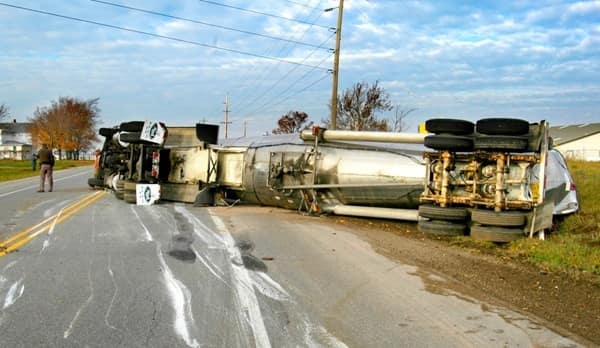
Commercial truck drivers cannot operate their vehicles under the same rules as ordinary motorists. Federal regulations place limits on driving hours, require regular vehicle inspections, and set standards for driver qualifications. These requirements are designed to reduce accidents involving large commercial vehicles. However, questions about whether a driver or trucking company followed the rules often arise after a serious collision.
An attorney for a commercial truck crash may examine driving records, maintenance reports, and other documents to identify possible safety violations. Such findings can help explain what contributed to the accident and how responsibility may be determined under the law.

Why Federal Trucking Rules Matter
The Federal Motor Carrier Safety Administration, or FMCSA, sets safety requirements for many commercial trucks and their operators. Its rules cover areas such as driver hours, vehicle condition, and who is qualified to drive. The goal is to reduce dangers linked to large vehicles traveling on public roads.
Not every truck operates under the same rules. Vehicle type, business activity, and certain exceptions can affect which requirements apply. During a claim, these details matter because investigators need to compare the driver’s conduct with the correct standard. A rule violation may provide evidence, but it does not prove that the violation caused the collision.
Driving Hours and Driver Fatigue
Long hours behind the wheel can affect attention and reaction time. Federal Hours of Service rules limit driving and duty periods for many covered drivers, with required rest periods under specified conditions. These limits are meant to reduce risks associated with fatigue.
Many drivers must use electronic logging devices to record driving time. Such records can help investigators review a driver’s schedule before a crash. Dispatch messages and delivery records may add context if the reported hours are disputed.
Still, driving for many hours does not automatically mean a driver was careless. Investigators must consider what the records show and whether fatigue actually played a role.
Vehicle Maintenance and Inspection Records
A large truck depends on working brakes, tires, steering, and other equipment. Federal rules require covered carriers to inspect, repair, and maintain their vehicles. A worn tire or brake problem can raise safety questions, especially if records show the issue was reported earlier.
Maintenance files may describe repairs, inspections, and problems found by drivers or mechanics. Comparing those records with damage from the crash can help identify whether equipment failure contributed. An overdue inspection alone does not establish the cause of an accident. The important question is whether the particular problem had a connection to what happened on the road.
Driver Qualifications and Company Practices
Commercial driving takes proper training and attention to safety. Federal rules address driver qualifications, licensing, and certain medical requirements. They also place responsibilities on covered trucking companies concerning driver records and safety practices.
A claim may raise questions about whether a driver held the required license or whether a company reviewed relevant driving records. Federal drug and alcohol testing requirements may also apply to covered drivers. These facts need context. A missing document is not the same as proof that someone caused a crash, and employers are not automatically responsible for every incident involving a truck.
Records That May Help Explain a Crash
Truck investigations sometimes reach beyond photographs and police reports. Depending on the vehicle and applicable rules, investigators may look at several types of records:
- Driving logs showing recorded work and driving periods.
- Inspection reports noting the truck’s condition.
- Repair records describing past mechanical problems.
- Driver qualification files and company safety documents.
- Available electronic vehicle data and dispatch communications.
Some information is held by the trucking company, and access may require formal legal procedures. Records also have limits: a log can show hours, but it cannot explain every decision made behind the wheel. Reviewing several sources together often gives a more reliable account.
How a Violation Fits Into a Claim
Federal regulations offer standards for judging particular safety practices. If a rule was broken, investigators may ask whether that failure contributed to the collision or injuries. Applicable state law also affects how responsibility and damages are decided in a civil claim.
The opposite matters too. Following federal rules does not guarantee that a driver acted safely in every situation. Speed, road conditions, and other conduct may still need review. A useful investigation tests the full account against the evidence instead of treating one document as the final answer.
Looking Beyond the Police Report
A commercial truck crash can involve more than one mistake and more than one source of evidence. Driver hours, maintenance history, and company safety records may help explain events that a police report cannot fully capture. Yet each finding needs to be connected to the collision before conclusions are made.
An attorney for a commercial truck crash can discuss which rules apply and how records may be examined under the relevant law. Federal standards are an important part of the picture, not a shortcut to proving fault. Careful review of the facts remains the soundest way to understand a claim.