A crushed bumper looks like the smallest problem after a crash. Most people treat bodily injury and property damage claims as two separate chores, fixing the car first and worrying about the pain later. That order feels practical. It is also one of the costliest mistakes a crash victim can make.
The Car Is the Best Witness Nobody Calls
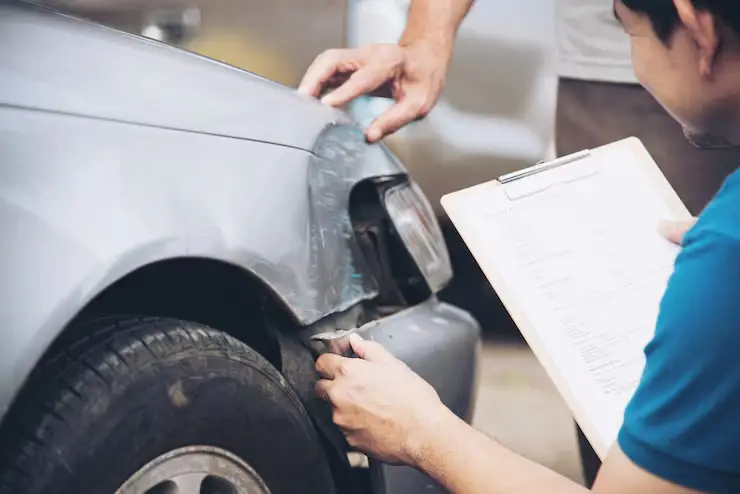
Start with a different idea. A damaged vehicle is not just a repair bill. It is physical proof of how hard the impact was, and that proof shapes how an insurer values every injury in the file.
Adjusters understand this better than most drivers do. Some insurers lean on a “low impact” argument: if the car shows little damage, the injuries must be minor. When a victim repairs the car quickly, cashes a small check and moves on, the evidence that could have answered that argument ends up in a body shop dumpster.
The pattern repeats across countless claims. A tidy repair invoice for a few hundred dollars becomes the insurer’s favorite exhibit, while photos that would have shown a buckled trunk floor were never taken. Nobody lied. The record simply got thinner, and thinner records produce smaller offers.
So flip the usual thinking. Handle the property side as the base of the injury case, not a side errand. Four tactical moves make that happen.
Step One: Freeze the Scene Before the Tow Truck Leaves
Photos taken in the first hour carry more weight than anything gathered later. Shoot the vehicle from every angle, close up and from a distance. Capture deployed airbags, a bent steering column, broken seat parts and shattered glass inside the cabin. Interior damage shows how a body moved during the collision.
Many modern vehicles also hold hidden data. An event data recorder can store details like speed, braking and seatbelt use from the seconds around a collision. That record can vanish if the car is crushed or sold for scrap. A written request to preserve the vehicle, sent early to every insurer involved, keeps it available.
Witness names and phone numbers belong in the same folder. People who saw the car spin or heard the impact can later describe force in ways photos cannot.
Step Two: Make the Repair Estimate Work Twice
A repair estimate does more than set a price. Line items such as frame straightening, replaced crumple zones or a new seat track show where the force traveled. Doctors and accident reconstruction experts can connect those details to neck, back and head injuries.
Ask the body shop for a fully itemized estimate, plus photos of hidden damage found once panels come off. Some of the worst structural harm sits behind a bumper cover that looks almost fine. Keep copies of supplemental estimates as well, since shops often file them after discovering extra damage mid-repair.
Value counts here too. State insurance regulators point out that drivers may want their repair shop present when the adjuster inspects the car. That meeting helps catch missed damage before the first offer is set. A vehicle that was totaled, or one that lost resale value after repairs, also supports the case that the crash was serious.
Step Three: Read Every Release Like a Contract
Property damage checks often arrive fast. Injury settlements take longer because treatment has to finish first. That gap creates pressure to sign whatever paperwork comes with the car money.
Before signing anything, look for these warning signs:
- Language releasing “all claims” instead of property damage only
- Any mention of bodily injury, medical bills or pain and suffering
- A statement calling the payment a “full and final settlement”
- A blank space for the claim number or a missing date of loss
- A request for a recorded statement bundled with the payment
A narrow property release protects the injury claim. A broad one can end it with a single signature. If the wording is unclear, ask the adjuster to confirm in writing that the injury claim stays open.
Step Four: Build Two Files That Tell One Story
The two claims move on different timelines, but they must match on every fact. The date, time, location and direction of impact should read the same in the repair records, the police report and the medical chart.
Inconsistency is the opening an adjuster hunts for. If a medical note says “rear impact” and the estimate shows front-end damage, expect hard questions. Keep a simple timeline that links each repair document to the matching medical visit.
Track losses beyond the obvious, too. Rental car costs, rideshare trips to physical therapy and hours off work spent dealing with the shop all belong in the record. Filing deadlines also differ by claim type and by jurisdiction, so checking local rules early prevents a missed window.
Gaps in treatment hurt as much as gaps in paperwork. Someone who stops seeing a doctor for two months while waiting on car repairs hands the insurer an easy argument that the pain went away.
Getting the Order Right Pays Off
Treating the vehicle as evidence slows things down a little at the start. That short delay is worth it. The injury claim gains proof of force, the property claim gains accurate value and the insurer loses its easiest arguments.
Speed still matters for practical needs like getting to work. The goal is not to leave a car parked for months. It is to document first, repair second and sign only what fits the claim being paid. Think of it as one case with two doors instead of two cases competing for attention.
Frequently Asked Questions
Q1. Can the property damage claim settle before the injury claim?
A: Yes. Settling the vehicle portion first is common and often sensible. Most people need their car back for work. The main point is making sure the release covers only property damage and does not mention injuries or “all claims.”
Q2. Does minor car damage mean an injury claim is weak?
A: Not necessarily. Modern bumpers can absorb force without showing much damage while passengers still get hurt. Medical records, interior photos and crash data can help close that gap. Symptoms like whiplash can also appear a day or more after a crash.
Q3. Should a damaged car be repaired right away?
A: Repairs can move ahead once the vehicle has been fully photographed, inspected by the insurer and its onboard crash data has been saved. Rushing before those steps can erase useful evidence. A quick call to the shop about storage fees can prevent surprise charges.