Medical care should help Sarasota residents recover and protect their health. When a preventable mistake causes serious harm, patients and families may face new bills, lost income, and questions about what went wrong. Those seeking Sarasota medical malpractice legal help may benefit from understanding how evidence is reviewed, how Florida law treats negligence, and why timing matters.
A poor outcome does not automatically mean a medical professional made a mistake. Some conditions are difficult to diagnose, and appropriate treatment can carry known risks. A malpractice claim generally requires evidence that a provider failed to meet the accepted professional standard of care and that the failure caused an injury. Florida’s legal standard appears in the state’s statute on medical negligence and the professional standard of care.
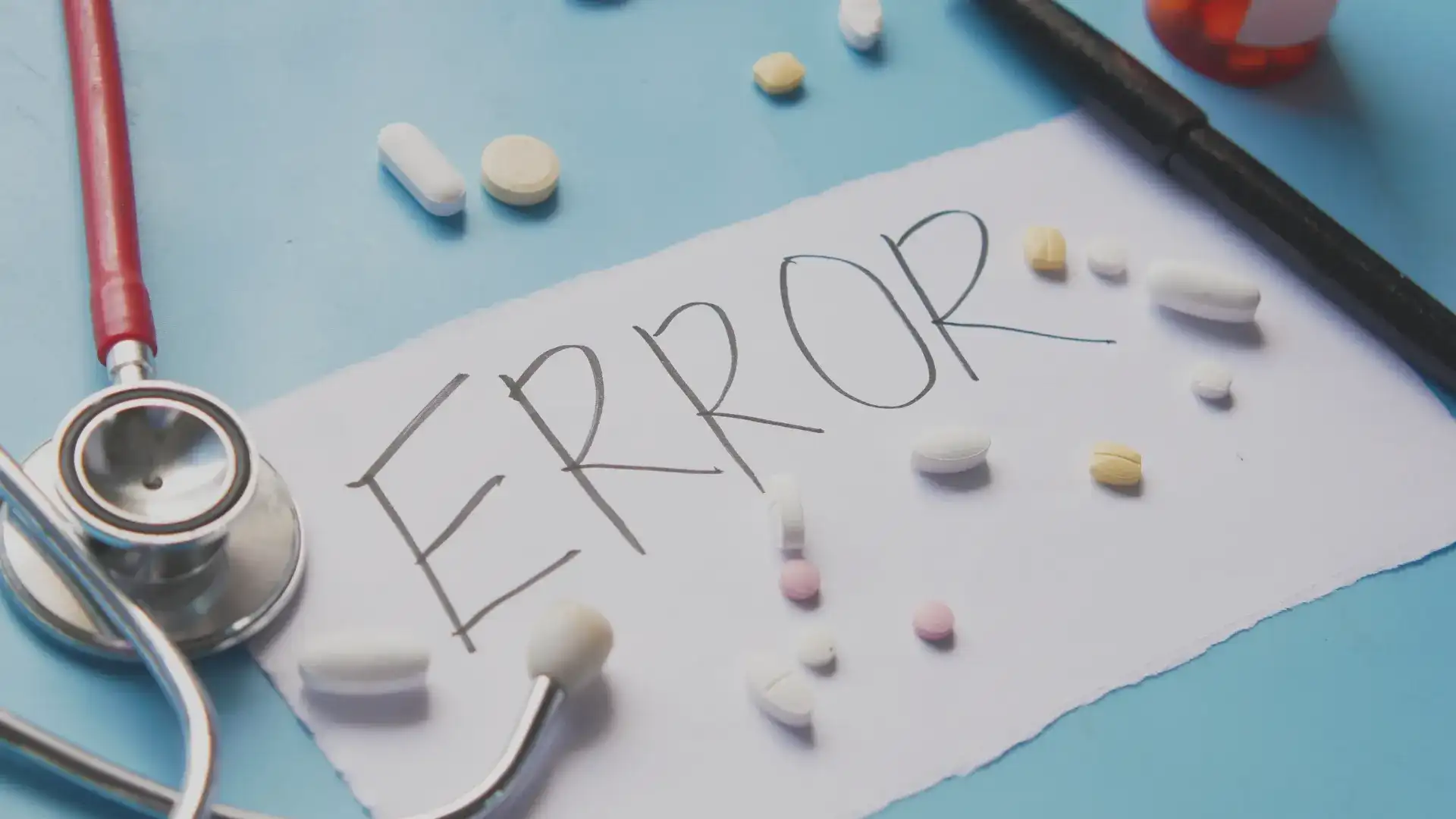
Where Medical Errors Can Occur
Mistakes can happen before, during, or after treatment. A doctor might overlook symptoms, a test result might not reach the right person, or medication might be prescribed at an unsafe dose. Surgical teams may make errors, while hospital staff may fail to respond when a patient’s condition worsens.
Common concerns include delayed diagnosis, medication errors, surgical mistakes, anesthesia complications, birth injuries, and failure to respond to infections or internal bleeding. Neglect in a care facility may cause pressure sores, falls, or dehydration. Each situation requires an individual review because not every complication amounts to malpractice.
For patients receiving care in Sarasota, the setting may be a hospital, outpatient center, nursing facility, or private practice. Medical records can reveal which symptoms were reported, what tests were ordered, and how providers responded. These details help establish a timeline of events.
Building a Clear Record of Events
Documentation can help explain what happened and how an injury affected daily life. Physician notes, laboratory results, imaging reports, medication lists, discharge instructions, and follow-up records may all be relevant. Together, these materials can show whether warning signs were recorded and whether appropriate action followed.
Rather than relying on memory alone, patients and families can create a simple case file containing:
- Medical records and appointment dates.
- Bills, insurance statements, and prescription costs.
- Notes describing symptoms and conversations with providers.
- Photographs of visible injuries, where appropriate.
- Records of missed work and other financial losses.
Keep original documents secure and avoid sharing private medical information publicly. Documentation does not establish negligence by itself, but it gives a qualified professional useful material to examine. Patients should continue following medical advice and seek another medical opinion when needed.
The Difference Between an Error and Negligence
Medical malpractice reviews often require input from a qualified medical expert. The expert may compare the treatment provided with what a reasonably careful professional in the same field would have done under similar circumstances. Symptoms, medical history, test results, and the timing of decisions may all matter.
Causation is equally important. A mistake must have a meaningful connection to the injury. For example, a delayed diagnosis may have allowed a condition to worsen, but medical evidence is needed to determine whether earlier treatment would likely have changed the outcome.
An attorney can help organize records, identify potential defendants, consult appropriate experts, and assess financial losses. Depending on the circumstances, damages may include additional medical expenses, future care, lost earnings, reduced earning ability, pain, and the effects of lasting disability. Fatal cases may involve separate rights for surviving relatives under Florida law.
Florida’s Legal Process Has Specific Requirements
Medical negligence claims in Florida follow procedures that differ from many other personal injury cases. Before a lawsuit is filed, the law generally requires an investigation and written notice to each prospective defendant. The process may include a medical expert’s written opinion and a presuit period for reviewing the allegations. The state’s medical negligence notice and presuit screening statute explains these requirements.
Deadlines also matter. Special rules may apply to children, delayed discovery, and claims involving public entities. Cases against certain public hospitals can raise additional issues, including notice requirements and damage limits. Because the applicable deadline depends on the facts, anyone concerned about a possible error should seek a timely legal assessment rather than rely on general information online.
When an Injury Changes Family Life
The consequences of a serious medical mistake may extend well beyond hospital treatment. A patient might need rehabilitation, repeat procedures, mobility equipment, home assistance, or long-term care. Relatives may reduce their working hours to provide support or manage frequent appointments.
Keeping a record of these changes can help families understand the full impact. Track medical expenses, travel costs, prescriptions, paid assistance, and missed work. Notes about reduced independence or changes in daily activities may also help explain the injury’s practical effects.
Families in Sarasota may face uncertainty about recovery, future expenses, and the support a loved one will need. A careful assessment of these concerns can help clarify the financial and personal consequences without assuming that every poor medical outcome supports a lawsuit.
Selecting Legal Guidance That Fits the Case
When considering a potential claim, look for a law firm with experience handling medical negligence matters. Ask who will oversee the case, how medical experts are selected, what expenses may arise, and how legal fees are calculated. Clear explanations of the evidence and potential obstacles are more useful than promises of a particular result.
Local familiarity can be helpful when obtaining records from nearby healthcare facilities or reviewing claims involving public hospitals. However, the central questions remain whether the available evidence supports negligence, whether the provider’s conduct caused harm, and what legal rules apply.
Making an Informed Decision
After a suspected medical error, obtaining appropriate care and preserving records should come first. Avoid making decisions based solely on online comments or assumptions about a provider’s intentions. A qualified review can help distinguish a known treatment risk from a possible failure to meet professional standards.
For people in Sarasota, early guidance may identify relevant records, important deadlines, and questions that require expert review. Clear communication with healthcare providers can also help patients understand their current needs and prepare for future appointments.
No article can determine whether a particular claim is valid. However, understanding the evidence, legal procedures, and potential consequences can help patients and families make informed decisions during a difficult period.