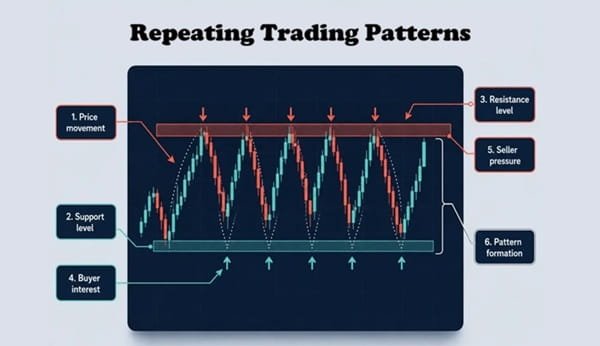
Commodity trading in India operates according to specific exchange schedules, and understanding these timings is essential for anyone trading gold, silver, crude oil, natural gas, or agricultural commodities. The Multi Commodity Exchange of India (MCX) provides a platform for trading commodity derivatives, allowing market participants to take positions based on expected price movements.
Unlike the equity market, where regular trading hours are relatively limited, MCX offers extended trading sessions for several commodities. These hours allow Indian traders to respond to developments in international markets, economic announcements, and changes in global supply and demand.
Understanding MCX trading timings helps traders plan their entries and exits, manage overnight exposure, and avoid missing important market events.
What Are MCX Trading Timings?
MCX trading timings refer to the hours during which eligible commodity derivatives can be traded on the exchange. The exchange generally operates from Monday to Friday, except on specified trading holidays.
Trading hours depend on the commodity category. Non-agricultural commodities, such as bullion, metals, and energy products, generally have longer trading sessions because their prices are influenced by international markets. Agricultural commodities may have shorter sessions, depending on the product.
According to the official MCX market operations information, normal trading generally begins at 9:00 AM Indian Standard Time (IST). A special order-cancellation session is also conducted before the regular market opens.
Standard MCX Trading Hours
MCX trading hours vary by commodity and may change seasonally because of the US daylight saving schedule. The exchange publishes applicable timings and holiday arrangements in advance.
The following schedule applies during the current US daylight saving period, before the seasonal adjustment expected in November 2026.
| Commodity category | General trading hours (IST) |
| Non-agricultural commodities, including bullion, metals and energy | 9:00 AM–11:30 PM |
| Selected internationally referenced agricultural commodities, such as cotton, cotton oil and kapas | 9:00 AM–9:00 PM |
| Other agricultural commodities | 9:00 AM–5:00 PM |
These are general timings, not a substitute for checking the specific contract and the exchange’s latest notices. Trading holidays and special sessions may affect availability. Official information is available on the MCX website.
Why MCX Has an Extended Trading Session
Many commodities traded on MCX are linked to global prices. Gold and silver respond to international bullion markets, while crude oil and natural gas are influenced by global energy demand, supply disruptions, inventory reports, and geopolitical developments.
International markets may experience significant price movements during Indian evening hours. Extended MCX sessions allow domestic traders to respond to some of these developments while the exchange is open.
For example, an unexpected announcement about crude oil production may influence international oil prices during the evening in India. Traders in eligible MCX contracts can monitor the resulting price movement and manage their positions during the available trading session.
However, extended hours do not mean every period offers equal liquidity or stable prices. Market activity varies by commodity, contract, and time of day.
How Trading Timings Affect Different Commodity Traders
Gold and Silver Traders
Gold and silver prices are affected by international bullion prices, currency movements, inflation expectations, and interest-rate decisions. Their extended MCX trading sessions allow traders to respond to developments that occur later in the day.
Evening trading can be particularly relevant when international market activity increases. However, greater activity can also bring sharp price fluctuations and unexpected losses.
Crude Oil and Natural Gas Traders
Energy commodities can react quickly to inventory reports, geopolitical developments, weather conditions, and changes in production forecasts. Traders must pay attention to scheduled announcements and understand whether their contracts are available when those events occur.
A sudden international price movement may affect an MCX contract when trading is open. If the exchange is closed, traders may face a different opening price when the next session begins.
Agricultural Commodity Traders
Agricultural commodities are influenced by crop production, monsoon conditions, weather forecasts, export restrictions, and seasonal demand. Their trading hours are generally shorter than those of many non-agricultural commodities.
Traders should check the applicable session for each contract rather than assume that all MCX products remain open until late at night.
Why US Daylight Saving Time Matters
The United States changes its clocks seasonally, while India follows IST throughout the year. This changes the time difference between Indian and US markets.
To maintain alignment with international market activity, MCX adjusts the closing time for certain commodity categories. During the US daylight saving period, non-agricultural commodity trading generally closes at 11:30 PM IST. After the seasonal change, the closing time generally moves to 11:55 PM IST.
For 2026, the seasonal adjustment is scheduled to take effect from November 2. Traders should confirm the applicable schedule through MCX’s official market information, particularly around the changeover.
How Traders Can Use MCX Timings Effectively
Knowing the trading schedule is only the first step. Traders should build their trading routines around the contracts they actually trade.
- Check the contract schedule: Confirm the opening and closing times for the specific commodity.
- Monitor scheduled announcements: Economic releases and commodity reports may affect volatility.
- Plan exits in advance: Do not wait until the final minutes of a session to decide how to manage an open position.
- Understand overnight risk: International prices may change while MCX is closed, potentially affecting the next session’s opening price.
- Check trading holidays: Some holidays may have different morning and evening session arrangements.
- Avoid trading simply because the market is open: Extended hours provide more opportunities to monitor prices, but they do not guarantee profitable setups.
Also check your broker’s policies. Intraday square-off deadlines, margin requirements, and order-handling procedures may differ from the exchange’s official closing time.
Conclusion
MCX trading timings determine when commodity traders can place and execute orders in eligible contracts. The exchange’s extended sessions are particularly important for bullion, metals, and energy products whose prices respond to international developments.
Agricultural commodities may have shorter trading hours, and seasonal adjustments linked to US daylight saving time can change closing schedules. Traders should verify current exchange notices, understand the hours applicable to their contracts, and plan their risk management accordingly.
Knowing the trading schedule can help traders prepare more effectively, but it cannot eliminate price volatility or guarantee profits.
Frequently Asked Questions
Q. What time does MCX trading start in India?
MCX commodity trading generally begins at 9:00 AM IST on regular trading days, subject to exchange notices and holiday schedules.
Q. What time does MCX close?
Many non-agricultural commodity contracts close at 11:30 PM IST during the US daylight saving period and 11:55 PM IST after the seasonal change. Agricultural commodity timings vary by category.
Q. Can I trade gold and crude oil on MCX in the evening?
Yes, eligible gold and crude oil contracts generally remain available during the evening session, subject to the applicable trading schedule and exchange holidays.
Q. Does MCX operate on Saturdays and Sundays?
MCX generally operates Monday through Friday. Special sessions, including festival-related sessions, may be announced separately.
Q. Why do MCX trading hours change during the year?
Certain closing times change to reflect the seasonal difference between Indian time and international markets that observe US daylight saving time.
Q. Are MCX trading timings the same for every commodity?
No. Non-agricultural commodities, internationally referenced agricultural commodities, and other agricultural commodities may have different closing times. Always check the schedule for the specific contract.
Q. Is evening trading better than morning trading on MCX?
Neither session is automatically better. Liquidity, volatility, and trading opportunities depend on the commodity and market conditions. Traders should follow a tested strategy and account for the risks of price movements during extended sessions.